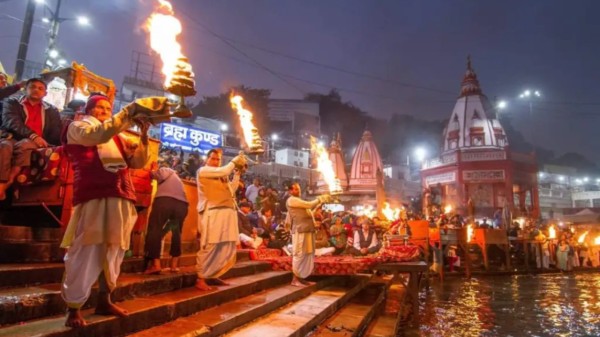
Among the many unique rituals in Hindu worship, the offering of bhasma, or sacred ash, to Lord Shiva stands out for its profound symbolic depth. Unlike flowers, fruits or sweets offered to other deities, Lord Shiva is adorned with ashes. But why ash? The answer lies in both mythology and spiritual philosophy, where Lord Shiva is seen not just as a god but as the essence of destruction, transformation and detachment.
What is Bhasma?
Bhasma, also known as vibhuti, is produced by burning dried wood or cow dung during specific Vedic rituals. It is not just physical ash; it is sanctified and purified through mantras and rituals, representing the ultimate reality: everything in this world eventually turns to ash.
Why is Bhasma Associated with Lord Shiva?
Lord Shiva is often described as Digambara — one who wears the sky —and Bhasma Bhushita, one who smears his body with ash. This image itself speaks of his renunciation, his freedom from material possessions, and his closeness to cremation grounds, where the transient nature of life is most evident.
According to Shiva Purana and Skanda Purana, Lord Shiva is often seen meditating in cremation grounds, covered in ashes. The ashes symbolise the impermanence of the physical body and the eternal nature of the soul.
Offering bhasma to Lord Shiva serves as a reminder to devotees: everything, including beauty, power, and wealth, will one day return to dust. Only truth, knowledge and devotion remain.
Symbolism and Spiritual Significance
- Destruction of Ego: Bhasma burns away arrogance. When applied on the forehead, it signifies the destruction of ahamkara (ego), preparing one for spiritual growth.
- Reminder of Mortality: It subtly reminds devotees of the ultimate truth, which means death is inevitable, and spiritual pursuits should take priority.
- Purification: Just as fire purifies, bhasma represents purity, having passed through fire. Applying or offering it is believed to cleanse the mind and soul.
The Ritual of Offering Bhasma
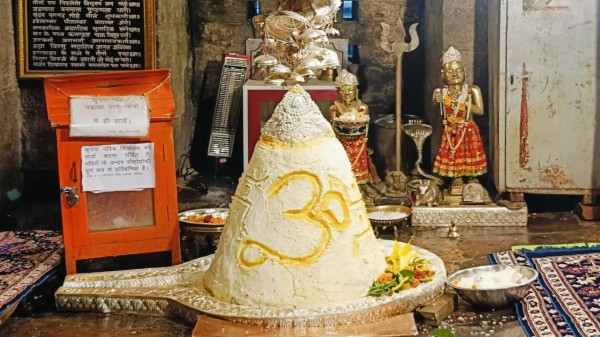
In many Shiva temples, especially during Sawan Somwar, Mahashivratri, or Pradosh Vrat, devotees offer bhasma along with bel patra, water, milk and dhatura. While other gods are offered ornaments and sweets, Lord Shiva accepts ash, showing his nature as Bhole Nath, the simple and formless.
Bhasma Arti at Mahakaleshwar Temple, Ujjain
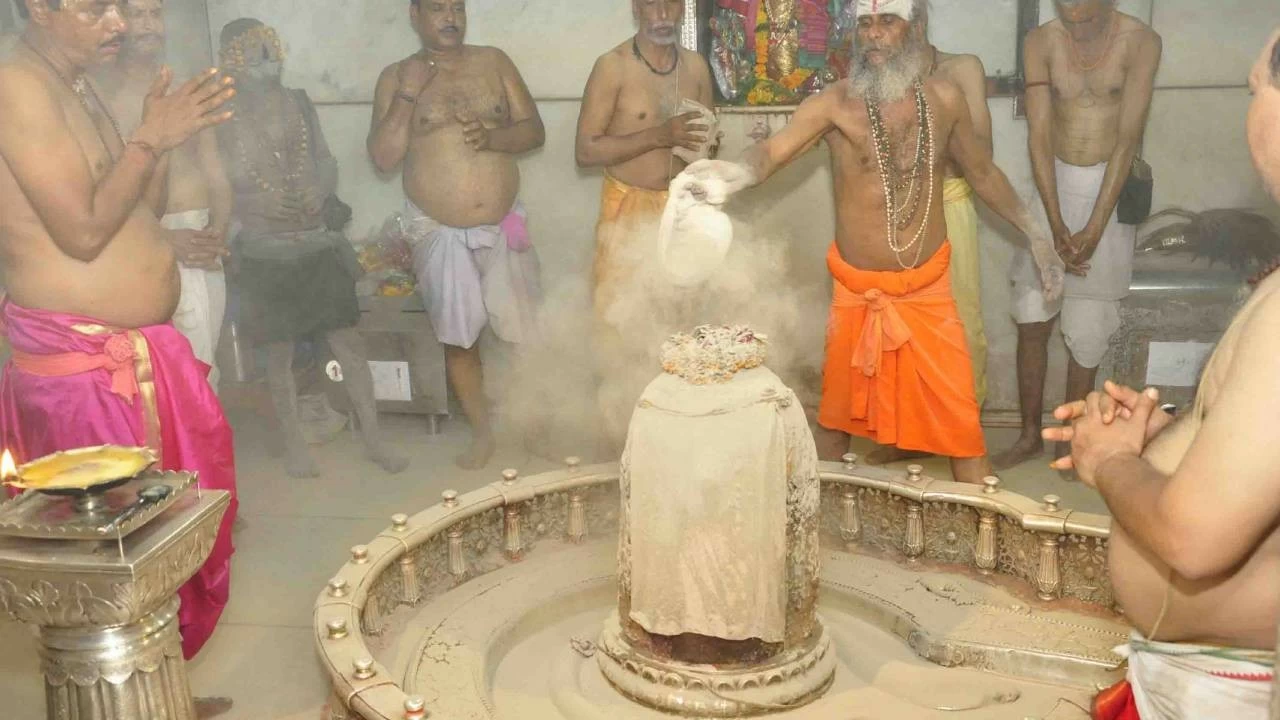
The Bhasma offering, also known as Bhasma Arti, is a significant ceremony in Hinduism, particularly at the Mahakaleshwar Temple in Ujjain, which is dedicated to Lord Shiva. This ritual involves giving sacred ash (Bhasma) to the deity. It represents the temporary nature of life and the cycle of creation and destruction. Many believe this ceremony helps them connect with the divine and promotes spiritual awakening.
Key aspects of the ritual at the temple include:
- Preparation of Bhasma: Traditionally, sacred ash is obtained from a funeral pyre; however, it can also be symbolically prepared and purified.
- Abhishek and Adornment: Priests bathe the Shivlinga with sacred items like milk, honey, and curd, and then decorate it with flowers and sandalwood paste.
- Offering of Bhasma: The priests apply Bhasma to the Shivlinga while chanting mantras. This act represents the rise above life and death.
- Mantra Chanting and Music: The ritual includes chanting Vedic hymns and mantras, such as "Om Namah Shivaya" and the "Mahamrityunjaya Mantra", accompanied by the sounds of bells, drums, and conch shells, which create a devoted and energetic atmosphere.
- Symbolic Meaning: Offering Bhasma symbolises the release of ego, ignorance, and attachment, which facilitates spiritual awakening and connection with the divine.
- Significance for Devotees: Devotees believe that participating in this ritual allows them to cleanse their impurities and gain a deeper understanding of life, death and rebirth.
Lord Shiva teaches us that life is not about holding on, but about letting go. The ritual of offering bhasma is not just about ash — it is about humility, surrender and understanding the deeper truths of existence.
So, when you next step into a Shiva temple or chant the powerful Om Namah Shivaya, remember — ash is not empty. It holds the wisdom of a thousand lifetimes and the blessings of the Lord who wears it.