Sign In
By signing in or creating an account, you agree with Associated Broadcasting Company's Terms & Conditions and Privacy Policy.
By signing in or creating an account, you agree with Associated Broadcasting Company's Terms & Conditions and Privacy Policy.
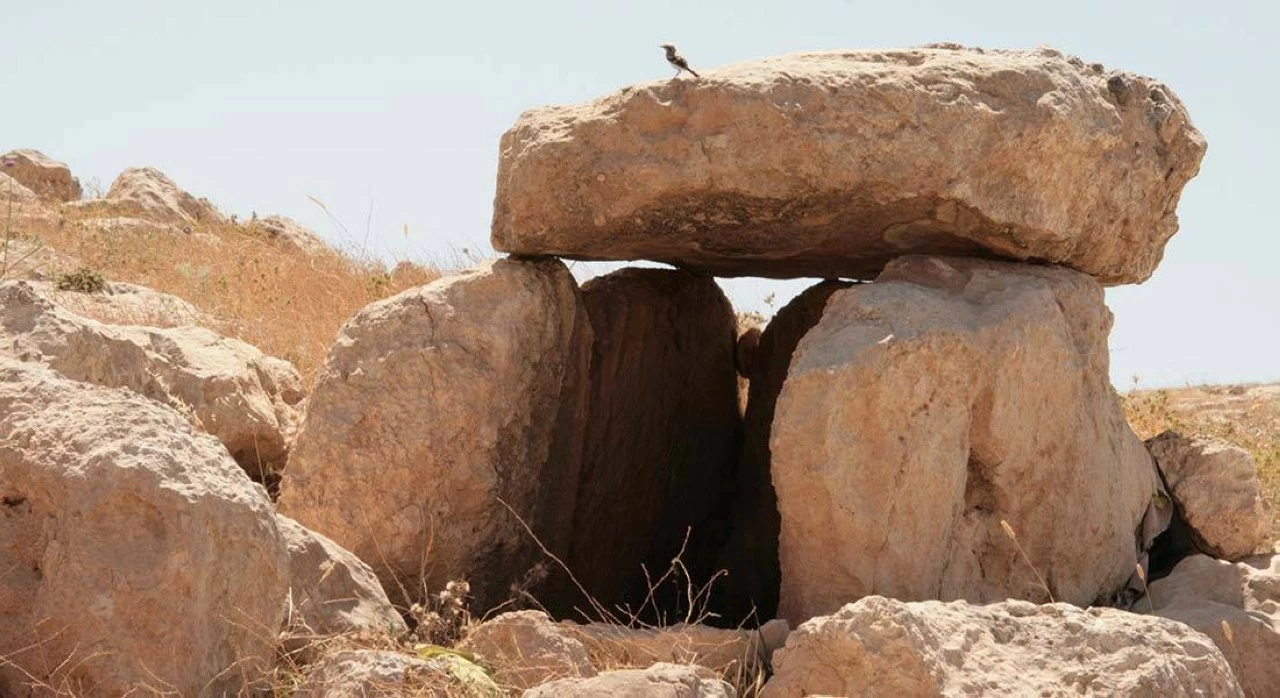


Archaeologists from the University of Copenhagen have extensively excavated a 5,500-year-old Early Bronze Age site in Murayghat in Jordan, revealing how ancient cultures responded to the collapse of established social order and crises. The site emerged after a decline of the so-called Chalcolithic culture between 4,500 and 3,500 BCE, which was known for its domestic settlements, rich symbolic traditions, copper artifacts and small shrines built by cults. Researchers believe that the culture may have collapsed because of social disruptions and climate shift. The Early Bronze Age groups began creating new forms of ritual expression as a result.
Instead of the small shrines built by the Chalcolithic culture, the excavations at Murayghat shows clusters of dolmens, or stone burial monuments, along with standing stones and large megalithic structures that indicate ritual gatherings and communal burials, rather than at domestic living quarters. The remains of over 95 dolemns have been documented in the region, with a central hilltop on the site containing stone enclosers and carved bedrock features that also indicate ceremonial use. These visible markers may have helped redefine identity, territory and social roles in the absence of a strong central authority.
Apart from the megalithic structures, a number of cultural artefacts have been recovered from the region, including pottery, large communal bowls, grinding stones, flint tools, cores of animal horns and a few copper objects, all pointing to ritual activity and possible feasting. The layout and visibility of the site also indicates that it served as a gathering point for a number of different groups in the region. The excavations paints the picture of a society undergoing social upheaval, with the megalithic structures transforming the natural landscape into an anthropogenic one. A paper describing the findings has been published in the Levant journal.