Sign In
By signing in or creating an account, you agree with Associated Broadcasting Company's Terms & Conditions and Privacy Policy.
By signing in or creating an account, you agree with Associated Broadcasting Company's Terms & Conditions and Privacy Policy.
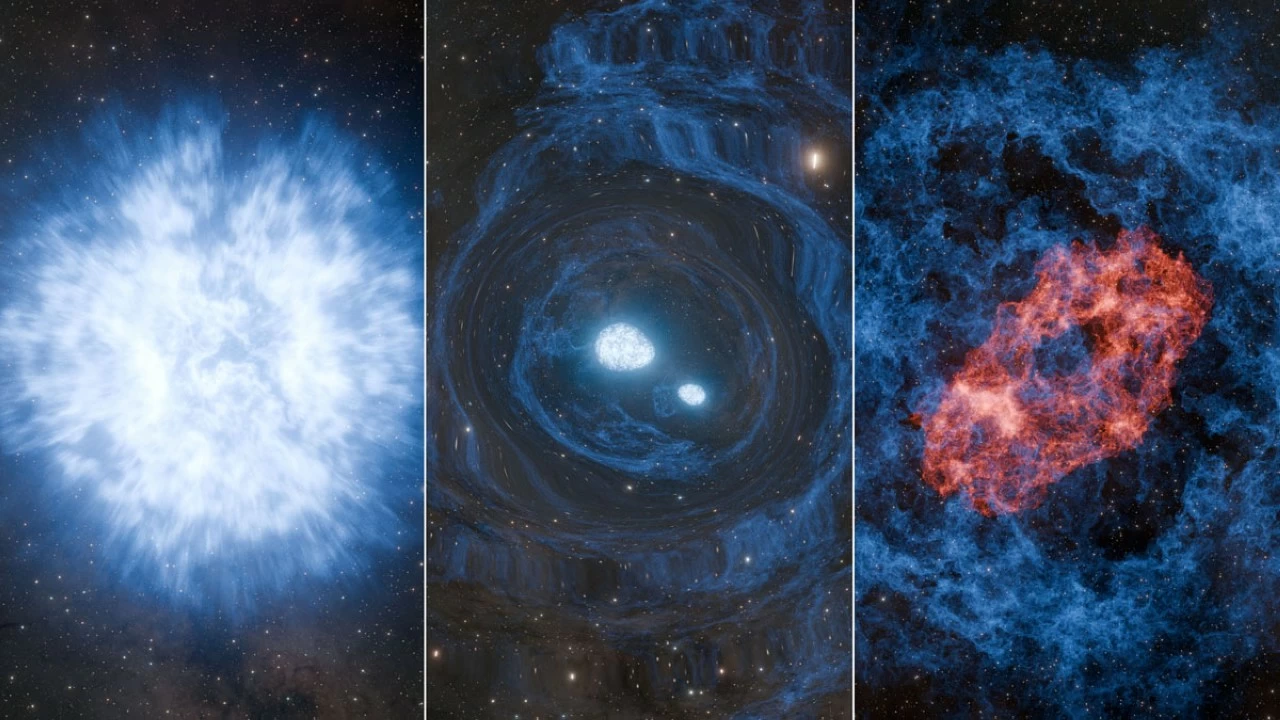


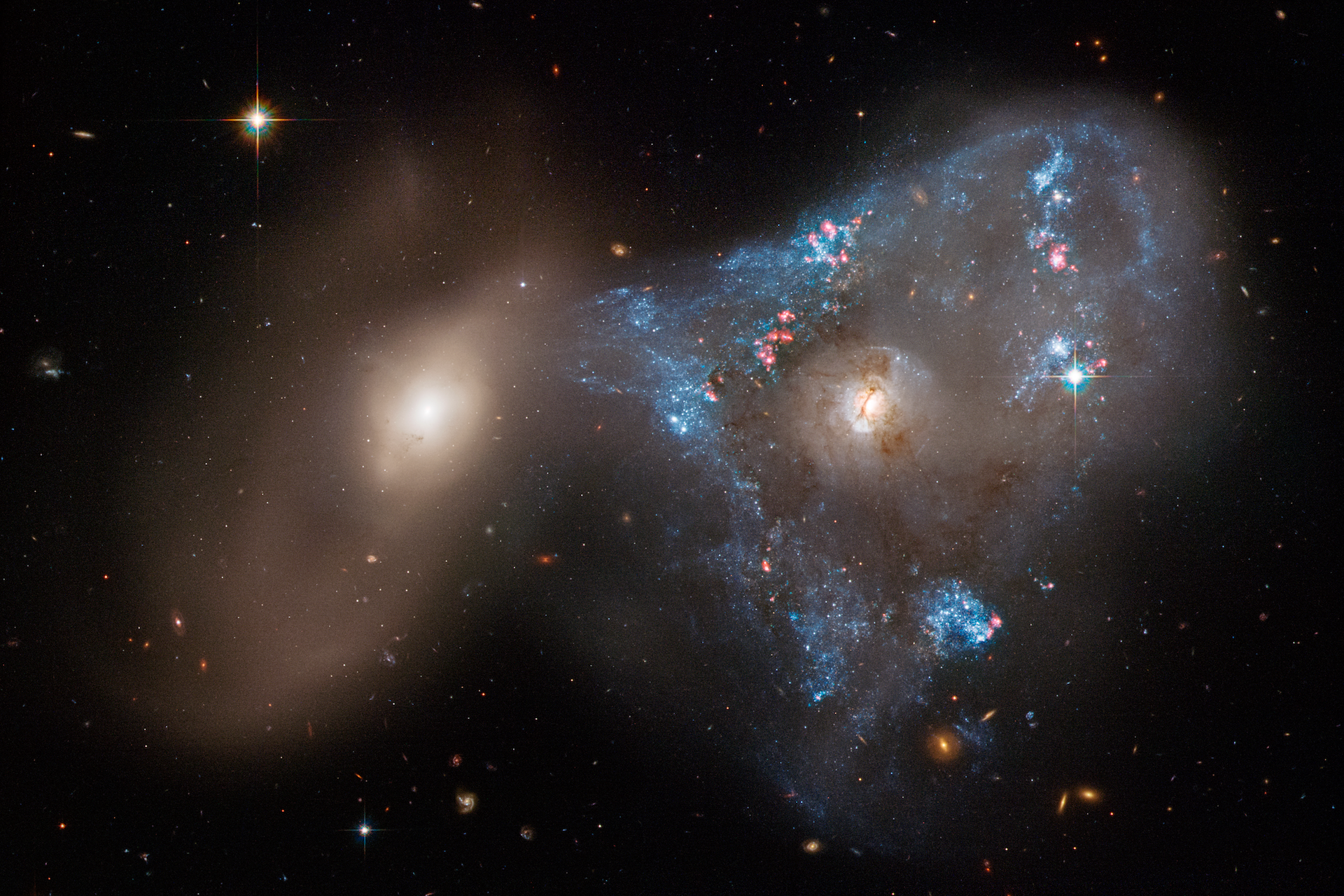
A supernova is a violent explosion from a dying star, while a kilonova is produced by the merger between two neutron stars or a neutron star and a black hole. A team of astronomers may have discovered a superkilonova for the first time, where a supernova is followed by a kilonova. So far, scientists have discovered only one event that has been unambiguously confirmed to be a kilonova, detected by gravitational wave observatories and designated as GW170817. The new event, designated as AT2025ulz is a candidate, with a supernova blast hours before the kilonova.
The initial eruption was detected by the Zwicky Transient Facility, that scans the skies for objects that appear to change positions or luminosities. The Keck Observatory turned towards the target, and captured the fading eruption, in red light, similar to the only confirmed kilonova detected eight years earlier. The red colours came from heavy elements such as gold, that block blue light, but let red light through. Days after the blast, the source brightened again, this time glowing in blue, which were signs of a stripped-envelope core-collapsed supernova.
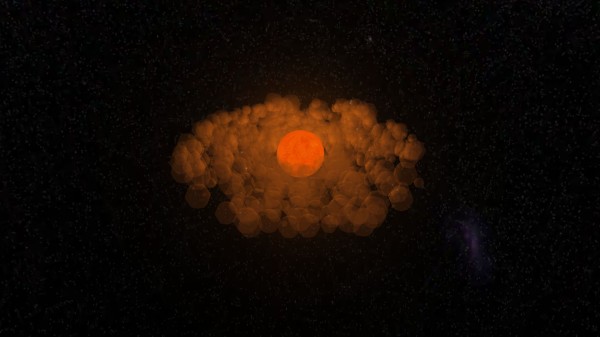
The mysterious explosion did not look like a classic supernova or a kilonova. The observations from the gravitational wave detectors indicated that at least one of the two objects in the interaction contained less mass than the Sun. Scientists believe that collapse of the massive star resulted in not one, but a pair of neutron stars through fission, that then subsequently collided. It is also possible that the star fragmented into a disk, that then coalesced into a neutron star. A paper describing the research has been published in The Astrophysical Journal Letters.