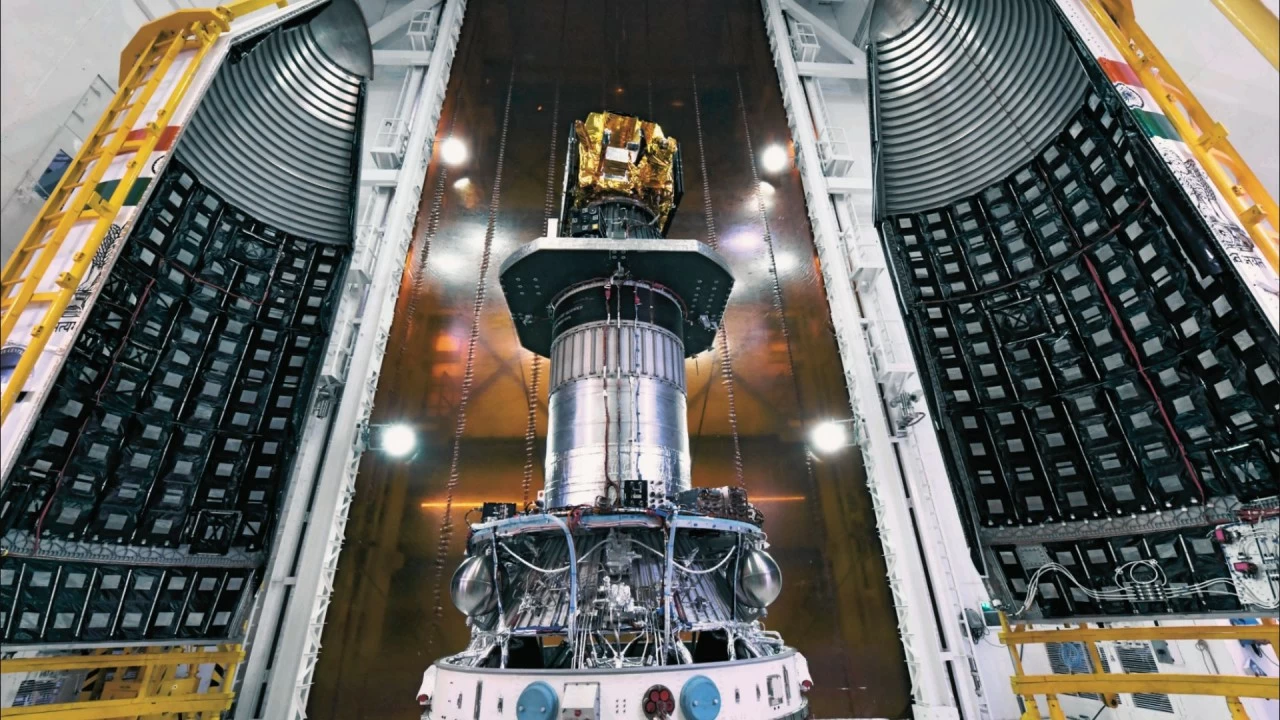
ISRO is launching the PSLV-C62 mission from the First Launch Pad at India's spaceport in Sriharikota on 12 January, at 10:17 hours IST. The primary passenger on board is the hyperspectral Earth imaging satellite for the Defence Research and Development Organisation (DRDO), dubbed '
Anvesha'. This satellite has strategic applications, and can be used for monitoring the border, and identify camouflaged vehicles and buildings based on the spectral properties of the materials used. The satellite captures many more individual wavelengths of lights than the three or four colours that consumer cameras and smartphones capture. There are a total of fifteen copassengers that are ridesharing on the mission.
Dhruva Space is dispatching a number of academic satellites on the mission, including CGUSAT, DSUSAT, LACHIT and Thybolt-3. The latter two have store-and-forward capabilities for use by the amateur radio community. Hyderabad based New Space Startup EON Space Labs is demonstrating its
MIRA space telescope with satellite partner Takeme2Space, that has included a package to demonstrate on-satellite AI capabilities. The data will be processed by the satellite before being transmitted down to the surface. This satellite has both strategic and civilian applications, and is a pathfinder mission for an Earth Observation Constellation planned by EON Space Labs. Also on board is Laxman Gyanpith's Sanskarsat.
A number of foreign satellites on the flight
There are a number of foreign satellites on the flight. The Theos-2 satellite has been jointly build by Thailand and UK. Then there is the Munal satellite, a technology demonstration mission by Nepal University. This is the second cubesat launched by Nepal, with the MOU for the launch being
signed in August 2024. Then there are a number of payloads from Brazil. Edusat will demonstrate IoT sensors, Uaisat will be used to collect data on agriculture, Galaxy Explorer will measure radiation, Aldebaran-1 is for marine rescues and
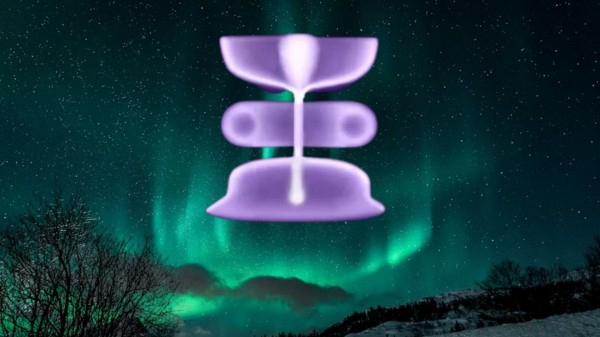
Orbital Temple is an art project that anyone in the world can participate in. Both Orbital Temple and Uaisat use the PocketQube 1P miniaturised satellite. The
Kestrel Cargo Capsule demonstrator is from Orbital Paradigm, a Spanish new space startup. This capsule will be the last payload to be released by the rocket, with both the PS4 upper stage and the capsule reentering the atmosphere. For this reason, ISRO has not included the POEM platform on this flight.