Sign In
By signing in or creating an account, you agree with Associated Broadcasting Company's Terms & Conditions and Privacy Policy.
By signing in or creating an account, you agree with Associated Broadcasting Company's Terms & Conditions and Privacy Policy.
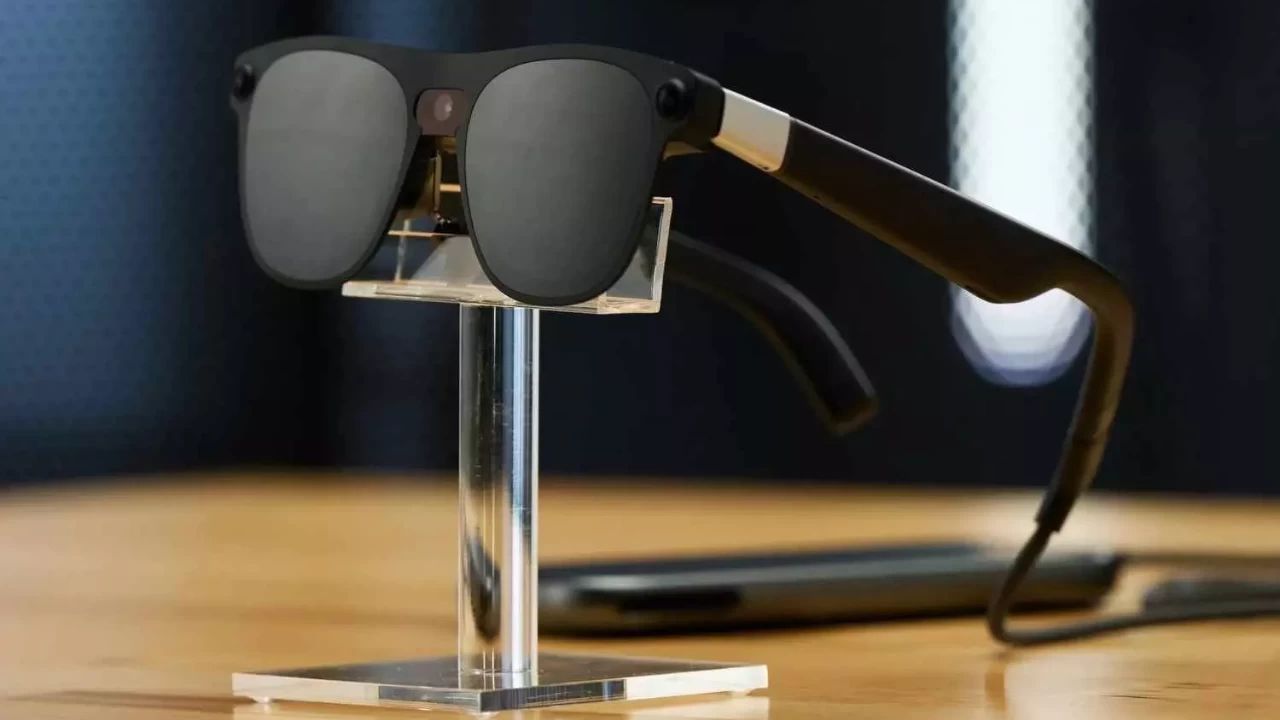

New Delhi: Google is gearing up another push at AI-based eyewear and has stated that it will release its first smart glasses with in-built Gemini capabilities by 2026. The company is building two types of glasses: one with built-in displays to show AR overlays and the other based on audio-centred interactions. The relocation puts Google in the competitive scenario with Meta, Snap and Apple in the rapidly developing AI and AR hardware competition. Initial hardware collaborators are Samsung, Warby Parker and Gentle Monster, but the final designs remain hidden, reported by Bloomberg.
Google described significant enhancements to its extensive XR ecosystem, along with the glasses. These consist of more upgrades to the Samsung Galaxy XR headset, new tools in its Android XR platform and increased partnership with Xreal. The latest changes signify an effort by Google to be more mature and calculating in its approach to mixed-reality hardware and abandon the mistakes of Google Glass.
Google presented a number of prototypes with monocular and binocular displays, each with the ability to provide AR overlays with applications like Google Maps and Google Meet. Similar to the Ray-Ban collection made by Meta, the majority of Google glasses are connected to a smartphone, leaving processing to make the glasses light. Google showed real-time translation, hands-off image editing with Gemini and navigation systems which can map the directions on a project map and superimpose them on the wearer's head.
Google collaborates with Xreal on a standalone device, which is called Project Aura. It is Android XR-based and provides a 70-degree field of view. The glasses are comparable to the smooth and user-friendly design of Xreal and have hand-tracking controls comparable to the Galaxy XR headset by Samsung. But they have to have a regular connection to an external battery pack.
Google and Samsung are launching a travel mode on the Galaxy XR headset in reaction to customer feedback. This corrects the issue of instability that caused the interface to be hard to use in moving cars. The other significant upgrade is the PC Connect, a new application which enables any Windows laptop to replicate its screen within the headset – helpful in both productivity and gaming. There is a version of macOS in development.
The avatars of Samsung are also receiving a refresh wherein they are being given a feature named 'Likeness', which produces realistic digital replicas of users using a scan in a smartphone. The avatars replicate real-time movements and gestures on the face. Both PC Connect and Likeness are rolling into beta this week.