New Delhi: Smartphone users in India are noticing an added feature to their calling screens. New names are now coming with unknown numbers. This has changed a lot of people into wondering how their phones have discovered an intuition of who is calling even when the number is not in their contacts.
This change can be attributed to the slow implementation of Calling Name Presentation (CNAP), which is a new telecom facility being implemented at the orders of the Department of Telecommunication (DoT) and the Telecom Regulatory Authority of India (TRAI). The feature will enhance the recognition of callers and address the increasing concerns on spam calls, robocalls and phone-based fraud.
What has changed on your phone?
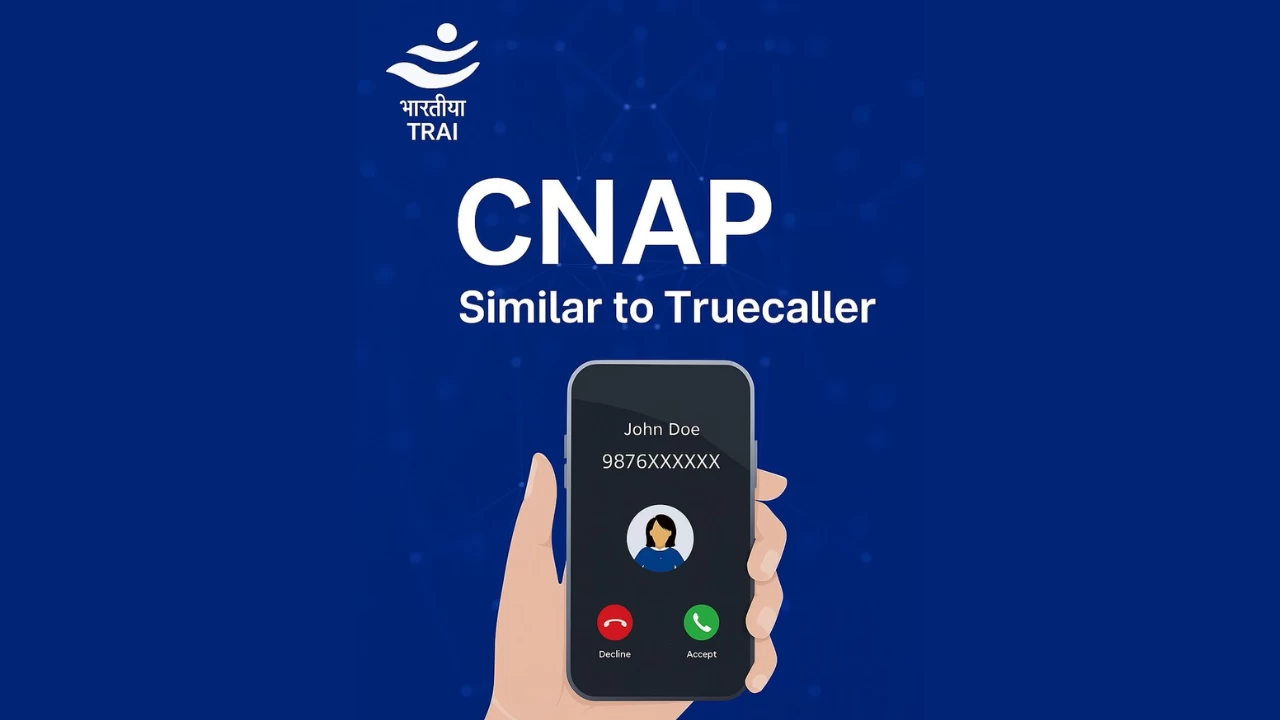
So far the incoming calls from an unknown phone number would only display the number of the caller. In CNAP, the name of the caller who has registered a name can also be viewed. This simplifies the process of making the decision to either pick up or not to pick up a call, particularly at a time when a lot of individuals will not even respond to an unfamiliar number.
The feature is at the telecom network level. It does not need mobile applications and the Internet. This name has been obtained as per the government records provided when registering a SIM card.
How Calling Name Presentation (CNAP) works
CNAP is an additional telecom service which is determined by the European Telecommunication Standards Institute. It enables the receiving user to view the name of the caller, which has 80 characters, and the number. In case the name is not available, the network displays warnings like 'name unavailable' or 'presentation restricted'.
Telecom operators will compare the number that is called to their KYC database. On a call made, the network draws the name registered and puts it on the receiver screen.
CNAP implementation schedule in India
The pilot version of CNAP was launched in October of 2025. The implementation is done in stages on both 4G and 5G networks. Vodafone Idea and Reliance Jio have already begun piloting in some areas of Haryana. This is projected to be rolled out nationwide by March 31, 2026.
The default setting of this feature is now on. Users who do not wish their name to be displayed when making outbound calls are able to conceal the appellation by utilising current caller ID restriction facilities.
The reason regulators championed CNAP
TRAI has long been pointing at the shortcomings of the existing caller ID system that displays the phone numbers only. The regulator claims that this has made people ignore these unknown calls, most of which happen to be real.
Meanwhile, spamming, robocalls and fraud attempts have gone up significantly. Bank details or OTPs are usually attempted by fraudsters on the phone. CNAP is also supposed to assist users to recognise the people who call them better and minimise the chances of picking up suspicious calls.
Will CNAP work on all phones?
Not immediately. Certain smartphones may already have the capability of CNAP, and some others may require a software upgrade. Most of the old landline telephones might not have the feature because they do not have alphanumeric displays. TRAI has indicated that the makers of handsets will be required to make CNAP compatible in the new handsets.
CNAP vs Truecaller: What is the difference?
CNAP and applications such as Truecaller are both displaying the name of the callers; however, in completely different ways. CNAP is an online ancillary and operates without an Internet connection or applications with validated KYC data.
Truecaller is a third-party application that uses information mostly crowdsourced based on the contact list of the user. This information is not necessarily true. Truecaller also requires the presence of the internet and permission to use, although it also provides spam labelling, which CNAP does not.
Simply put, CNAP is an official, tested system of names allotted to calls by telecom companies, whereas apps such as Truecaller rely on community information and the internet.