Sign In
By signing in or creating an account, you agree with Associated Broadcasting Company's Terms & Conditions and Privacy Policy.
By signing in or creating an account, you agree with Associated Broadcasting Company's Terms & Conditions and Privacy Policy.
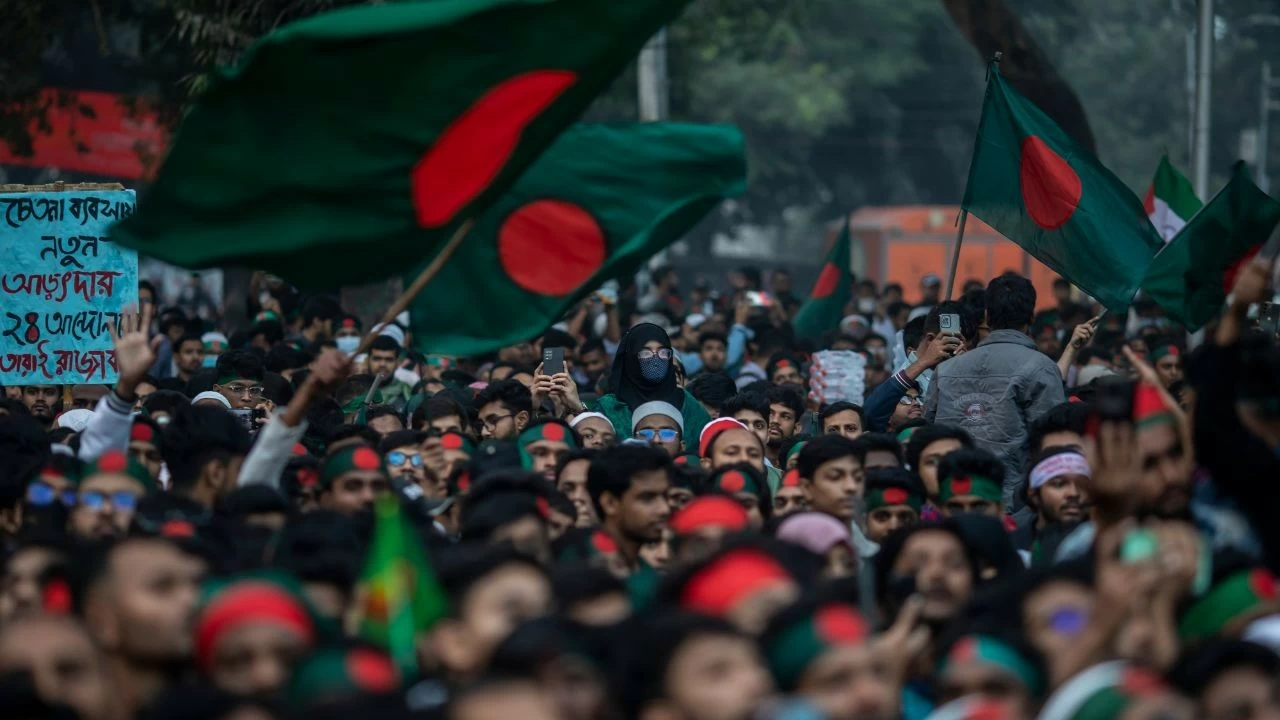


New Delhi: Bangladesh will hold a national election in February, the first since the student-led uprising that removed long-time leader Sheikh Hasina from power in August 2024. Her Awami League, the country’s largest political force for decades, has been barred from contesting, dramatically altering the political landscape in the Muslim-majority nation of 173 million.
Bangladesh Nationalist Party (BNP): Helmed by former Prime Minister Khaleda Zia, the BNP is viewed as the favourite. A December survey by the U.S.-based International Republican Institute indicated the party could secure the most parliamentary seats. Founded in 1978 by Zia’s late husband, former President Ziaur Rahman, the BNP espouses Bangladeshi nationalism, market-driven reforms and a strong anti-corruption agenda. Khaleda’s health concerns and the absence of her son Tarique Rahman, the acting chief currently in exile in London, pose major challenges. Rahman has pledged to return ahead of the polls.
Jamaat-e-Islami: Banned during Hasina’s tenure, Jamaat has re-entered the political arena following the uprising and is projected to finish second. Under the leadership of Shafiqur Rahman, the party continues to advocate for Islamic governance based on sharia law, while attempting to broaden its support base. Its platform includes a push for a “mafia-free society” and strong anti-graft measures. Jamaat previously partnered with the BNP in government from 2001 to 2006.
National Citizen Party (NCP): Born out of the protest movement, the NCP has struggled to convert mass mobilisation into electoral clout due to organisational weaknesses and limited finances. Polling places it well behind the BNP and Jamaat. Its 24-point agenda proposes sweeping reforms, including a new constitution, judicial overhaul, free media, universal healthcare and education, and enhanced climate resilience. The party is led by 27-year-old Nahid Islam, one of the prominent faces of last year’s demonstrations.
The February vote will test whether Bangladesh can navigate its most pivotal political transition in decades and rebuild democratic credibility after a year of upheaval.