Sign In
By signing in or creating an account, you agree with Associated Broadcasting Company's Terms & Conditions and Privacy Policy.
By signing in or creating an account, you agree with Associated Broadcasting Company's Terms & Conditions and Privacy Policy.
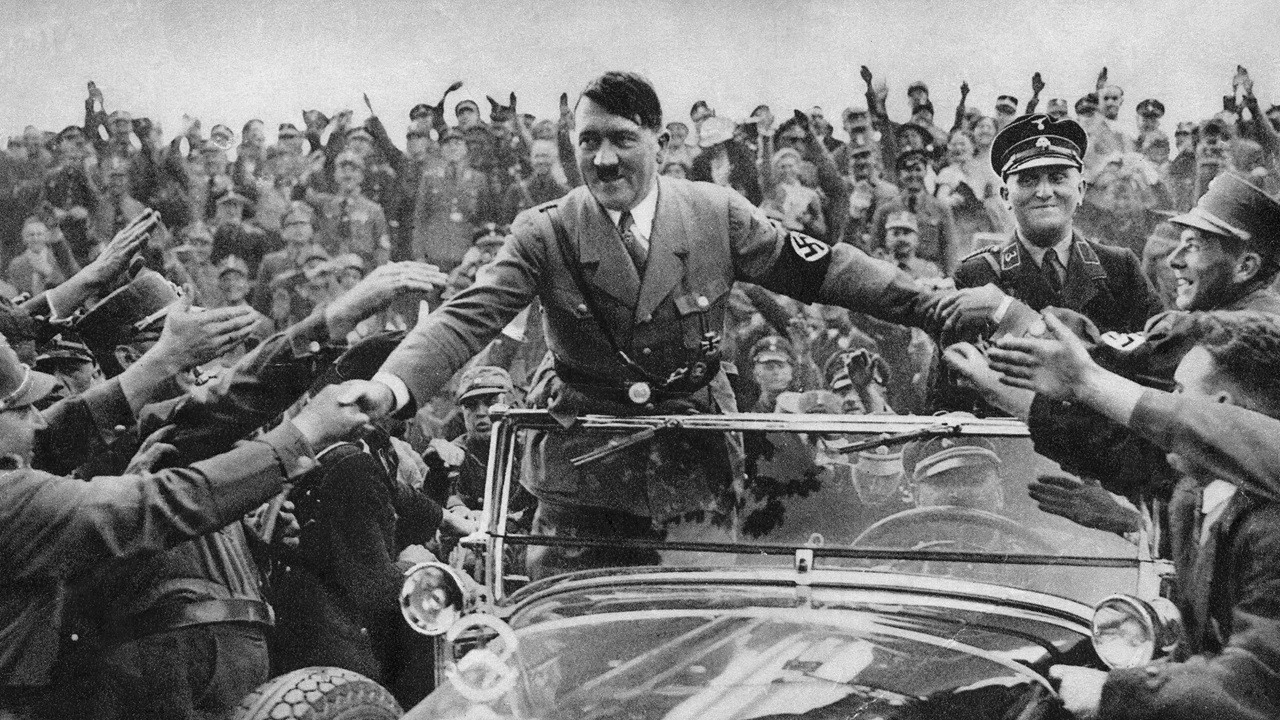

New Delhi: Prosecutors in Berlin said in a statement on Monday that they have filed charges against the far-right Alternative for Germany’s (AfD) Matthias Moosdorf for allegedly greeting another party member during a parliamentary session with the banned Nazi salute. While Moosdorf has now denied the allegations, the prosecutors insist on their statement. This continues a trend of often implicit, but sometimes explicit, callbacks to Germany’s Nazi past from some members of the emerging far right and neo-Nazi parties.
According to prosecutors, Moosdorf performed a heel click and a Nazi salute near one of the entrances of the Reichstag building during a parliamentary session in June 2023. He is also accused of ensuring that the salute “would be perceptible to others.”
In a statement, Moosdorf rejected the accusation that he had performed the Hitler salute. “It is shameful that someone is trying to fabricate a political spectacle at this level instead of constructively engaging with the content of our party and its political positions,” he said.
The far-right Alternative for Germany’s (AfD) has recently risen in German politics. Already polling first in surveys across Germany ahead of five state elections next year, it has also been seen to have ties to MAGA-aligned Republicans in the US and other far-right parties in Europe. The party was classified earlier this year by Germany’s domestic intelligence agency as a right-wing extremist organization.
AfD’s Matthias Moosdorf alleged Nazi salute is extremely troublesome for German politics, as the use of slogans and symbols linked to anti-constitutional groups such as the Nazis has been outlawed in the country since World War II.
It is not just Germany, but in many other parts of the world, the fascination with Hitler and the Nazis remains. As a result, a large cult association has formed with the party. Not just in imagination, but many neo-Nazi political parties have also come up with time around the world. While these are problematic anywhere, the existence of such sentiments is especially problematic in Germany.
The birthplace of the National Socialists and of Hitler’s movement and eventual crimes, Germany has made association with icons or politics of the Nazi party and Hitler illegal. The persistence of fascination with Hitler in Germany though reflects the country’s continued grippling with its Nazi past. Intertwining memory, identity and contemporary politics, it is not easy for Germany to distance itself from its Nazi past. While public association with Hitler remains a major social taboo in Germany; through conspiracy theories, online subcultures, symbolisms, and underground political movements, a renewal of interest in the Nazi period remains prevalent in Germany.
The rise of far-right parties such as Alternative for Germany (AfD), while not openly related to glorification of Nazism or that of Hitler, have reopened debates about Germany’s historical guilt, national pride, and the Nazi history in a new way. Matthias Moosdorf’s alleged Nazi salute, whether true or not, is part of such renewed questioning and associations.