New Delhi: According to a new US government floated
plan, tourists coming to the country have to reveal their social media activity from the last five years. The mandatory new disclosures would apply to the 42 countries whose nationals are currently permitted to enter the US without a visa. This is expected to include even longtime US allies like Britain, France, Australia, Germany and Japan.
What does the new plan say?
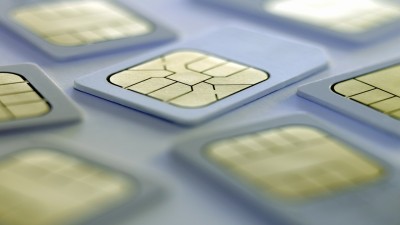
In a notice published on Tuesday, the US Customs and Border Protection agency (CBP) said it would also require any telephone numbers used by visitors over the same period, and any email addresses used in the last decade. It further stipulated that visitors would also be required to allow for face, fingerprint, DNA and iris biometrics. It would also ask for the names, addresses, birthdates and birthplaces of family members, including children.
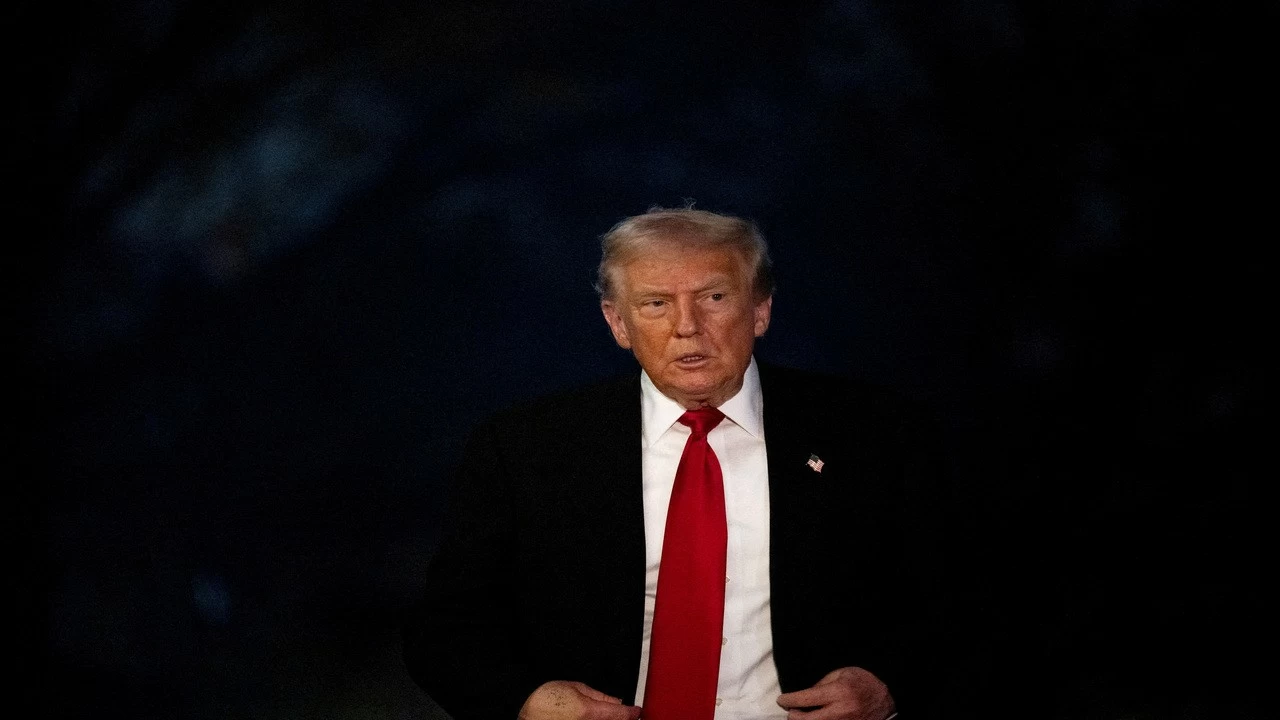
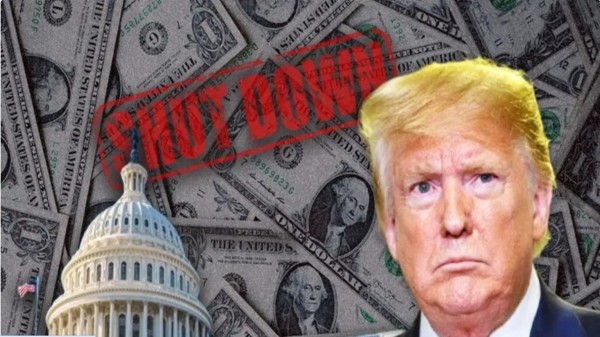
It is under this plan that the last five-year social media activity of travellers coming into the country would be monitored. The new changes to the Electronic System for Travel Authorization (Esta) application were required in order to comply with an executive order issued by Donald Trump on the first day of his new term, the agency commented. It was there that Trump had called for restrictions to ensure visitors to the US “do not bear hostile attitudes toward its citizens, culture, government, institutions, or founding principles”. The social media screening plan is thus part of that earlier stated mandate.
Related recent events
This is
not the first of its kind to be released by the US government. The US Citizenship and Immigration Services (USCIS) said in August that it will start looking for “anti-American” views, including those stated on social media. This was said in relation to considerations of the applications of people wanting US residency.
The US administration has recently also demanded that prospective foreign students unlock their social media profiles. A highly contentious idea under which if prospective students refuse to show their social media activity, they would automatically be suspected of hiding their activity.
Compounding this is another recent stipulation where the government informed consular officials to deny visas to anyone who might have worked in fact checking or content moderation roles. Another stipulation related to social media, it is understood to pertain to those who may work at social media companies wherein may have been “responsible for, or complicit in, censorship or attempted censorship of protected expression in the US”.
Possible ramifications
The proposed plan of monitoring the social media accounts of tourists coming into the United States may have disastrous effects to the country’s tourism industry. This can especially hamper those wishing to come to the US for the upcoming FIFA World Cup that is to take place in North America, including in the US next year.
Fifa has said it expects to attract 5 million fans to the stadiums, and millions more visitors to the US, Canada and Mexico. In such a situation, strict rules for tourists coming in may inhabit the event’s success. This follows already dwindling tourist footfalls after Trump’ administration’s strict actions in this regard. The California tourism authorities for example predict a 9 per cent decline in foreign visits to the state this year, while Hollywood Boulevard in Los Angeles reported a 50 per cent fall in foot traffic over the summer.
The plan has already seen criticism, as by the free speech advocacy group Foundation for Individual Rights and Expression which said, “Requiring temporary visitors here for a vacation or business to surrender five years of their social media to the US will send the message that the American commitment to free speech is pretense, not practice. This is not the behavior of a country confident in its freedoms.”