Sign In
By signing in or creating an account, you agree with Associated Broadcasting Company's Terms & Conditions and Privacy Policy.
By signing in or creating an account, you agree with Associated Broadcasting Company's Terms & Conditions and Privacy Policy.
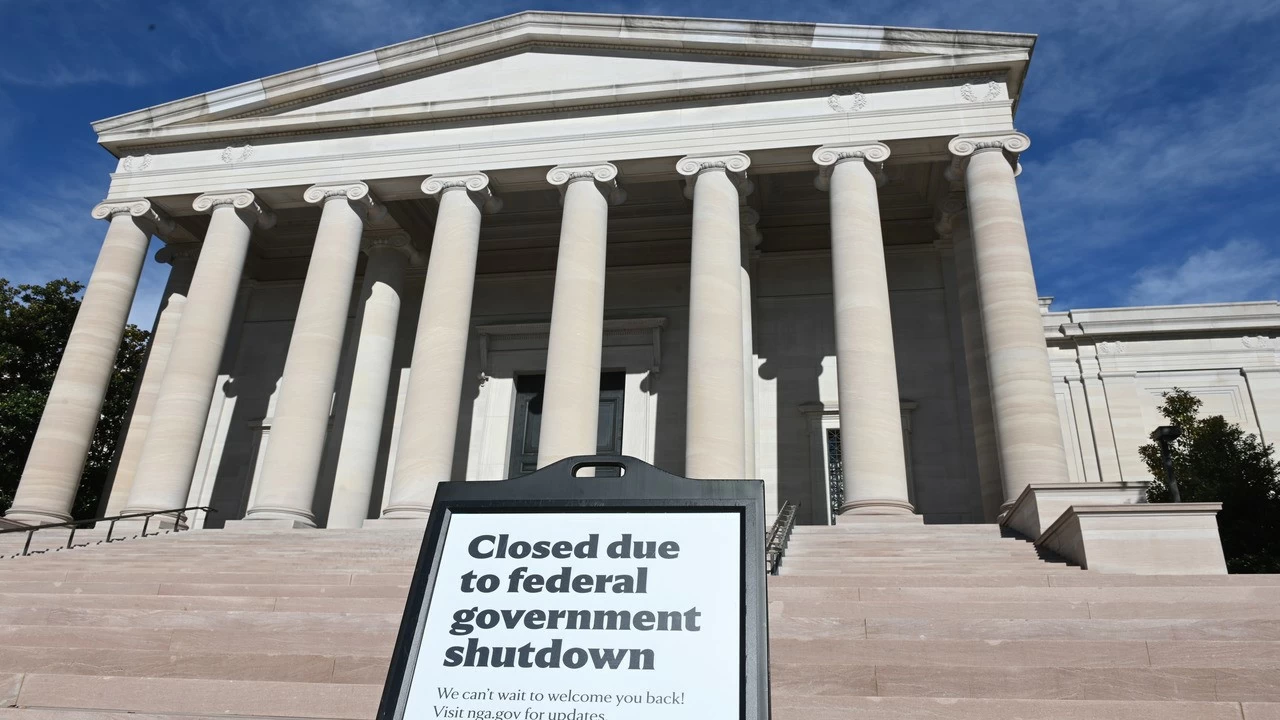

New Delhi: The US Senate on Sunday made significant progress towards ending the longest US government shutdown in history. It attempts to do so by advancing a compromise bill to reauthorize funding and undo the layoffs of some employees. The bill received exactly the 60 votes needed to advance in the Senate. Almost all Republicans voted in favor of the bill, with eight Democrats also assenting.
“Republicans control the White House, the Senate and the House, and they made clear over a period of weeks, including just this week, that this was as far as they would go as part of the shutdown talks,” said New Hampshire’s Jeanne Shaheen, a Democrat who like some others who assented is retiring soon. “This was the only deal on the table.”
A potential breakthrough emerged Sunday in Washington as centrist Democrats and Republicans reached a tentative deal that could end the 40-day federal government shutdown. The agreement centers on a stopgap funding package that would reopen the government through January 31. This would also ensure continued funding for key programs, including food assistance and the legislative branch.
Importantly, Republicans have reportedly agreed to hold a vote on extending expiring healthcare subsidies by December, a major Democratic priority which had become the contentious issue which was acting as the hurdle not allowing both the parties to find common ground to end the deadlock.
The deal still requires approval from the House of Representatives before being sent to US President Donald Trump for his signature. Meanwhile speaking to reporters upon returning to the White House from Florida, Trump expressed optimism, saying, “It looks like we’re getting very close to the shutdown ending.”
The shutdown, which began on October 1, has taken a heavy toll across America with approximately 750,000 federal employees having been furloughed. Also critical programs such as food assistance for millions of Americans have been put at risk. Among sectors hit the hardest, aviation is one where staffing shortages at air traffic control centers have triggered widespread travel disruptions. Reportedly 2,300 flights have been cancelled and over 8,000 delayed.
A major reason for the continued deadlock has been the contention over the healthcare subsidies established under the Affordable Care Act (ACA). Introduced in 2021, Democrats have demanded a one-year extension of the subsidies as a condition for reopening the government. Republicans, however, insist the issue should be addressed only after government funding is restored.
With Republicans holding a Senate majority, they need just five Democratic votes to approve a funding measure and end the shutdown. Moderate senators from both parties have therefore emerged as key players in finalizing the deal. Promise of a future vote on healthcare is what has been key to sway the Democrats to vote in favour, and end the financial deadlock.
If passed, and it appears likely that it will, the stopgap funding bill would reopen the government and also allow for a reopening of negotiations on healthcare and other spending priorities. Most importantly, ending the most disruptive and longest shutdowns in US history.