
Sign In
By signing in or creating an account, you agree with Associated Broadcasting Company's Terms & Conditions and Privacy Policy.
By signing in or creating an account, you agree with Associated Broadcasting Company's Terms & Conditions and Privacy Policy.
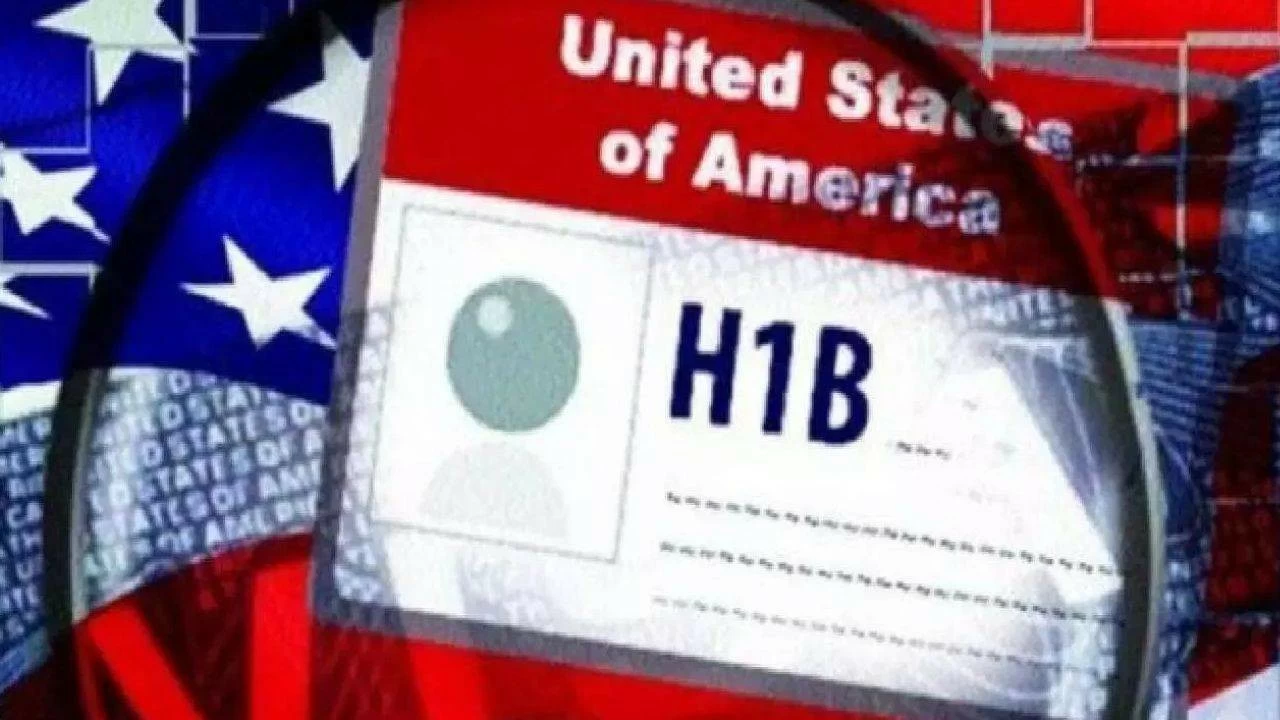


New Delhi: US President Donald Trump has signed a proclamation imposing a $100,000 fee on H-1B visa petitions, restricting entry for foreign workers unless employers pay the new charge. While India's IT industry braces for the fallout, the order also provides exemptions for categories deemed to be in the "national interest".
The directive instructs the Departments of Homeland Security (DHS) and State to deny entry to H-1B workers if the fee is not paid. It also requires the Department of Labor to revise wage levels and for Homeland Security to prioritise high-paid, high-skilled workers.
"The entry into the United States of aliens as nonimmigrants to perform services in a specialty occupation…is restricted, except for those aliens whose petitions are accompanied or supplemented by a payment of $100,000," the proclamation states.
Under Section 1(c), exemptions may be granted if the DHS Secretary determines that hiring foreign workers serves the national interest and poses no threat to US security or welfare. Likely exempt categories include healthcare, medical research, defence, cybersecurity, STEM innovation, and critical infrastructure support --areas aligned with the stated goal of admitting the "best of the best".
The decision has alarmed India's $280 billion IT outsourcing industry, where Indian nationals account for over 70 per cent of H-1B visas. Shares of Tata Consultancy Services (TCS) and Infosys fell in early trading on Monday amid concerns over higher operating costs.
Infosys alone secured 2,504 H-1B visas in FY2024, which under the new rules could add $250 million in additional costs this year, according to The Economic Times. Analysts warn the annual fee could add hundreds of millions of dollars to Indian IT firms' expenses.
Industry experts say the move could accelerate the shift toward Global Capability Centres (GCCs) in India and offshore delivery models. "In the short run, the next 12 months, there is a shock," said Chander Prakash Gurnani, former Tech Mahindra CEO and now head of an AI venture, on Bloomberg Television. "But TCS and its rivals have anticipated a long-term shift away from the US."
According to reports, Indian IT firms have already reduced reliance on H-1B visas since Trump's first term and the pandemic-era pivot to remote projects. Meanwhile, Trump's order, effective September 21, 2025, will remain in force for one year unless extended.