Sign In
By signing in or creating an account, you agree with Associated Broadcasting Company's Terms & Conditions and Privacy Policy.
By signing in or creating an account, you agree with Associated Broadcasting Company's Terms & Conditions and Privacy Policy.
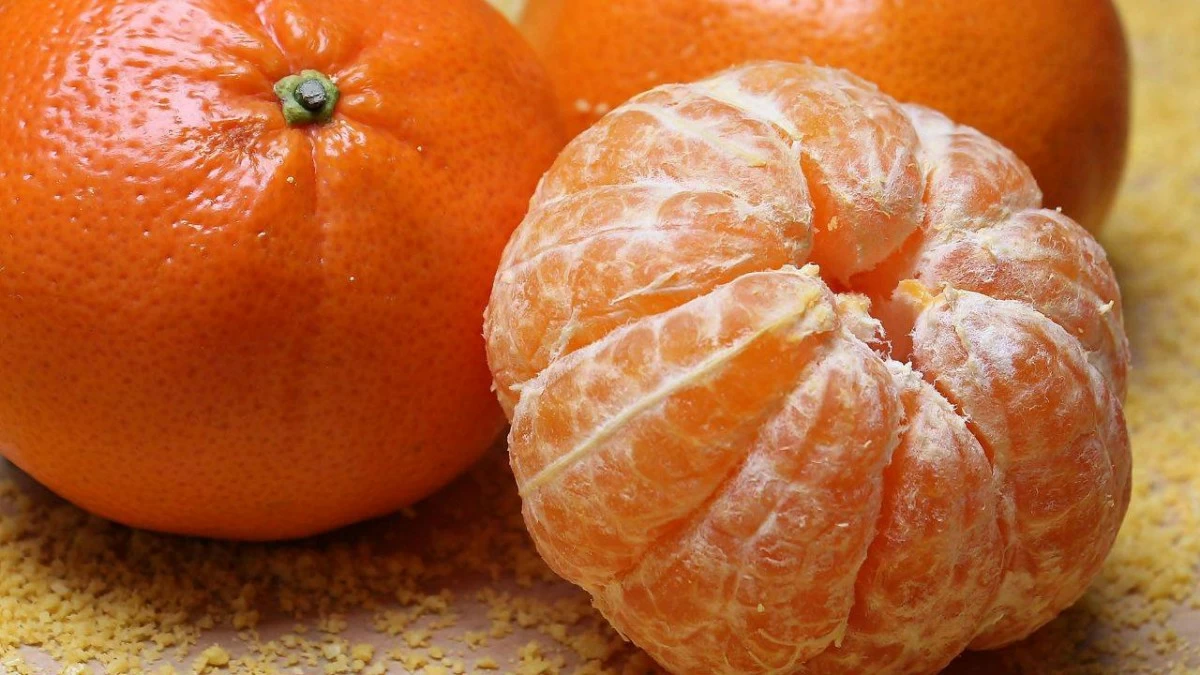

New Delhi: In the age of social media, relationship theories and tests constantly emerge, offering new ways to analyse love and effort in partnerships. One such viral concept is the Orange Peel Theory, which has taken the internet by storm. But what exactly is it, and why are so many people talking about it?
The Orange Peel Theory is a simple yet powerful relationship test that revolves around small acts of care. It suggests that if your partner willingly peels an orange for you when asked—or better yet, does it without being asked—it’s a sign of love, attentiveness, and effort in the relationship. The idea is that love is often shown in small, everyday gestures rather than grand, dramatic displays.
The theory gained traction on platforms like TikTok and Twitter, where users debated its significance. Some believe that a partner’s willingness to peel an orange indicates their natural instinct to care for their loved one. If they refuse or find it annoying, it could suggest a lack of consideration. However, critics argue that relationships cannot be measured by such a simple test and that love manifests in different ways for different people.
Supporters of the theory liken it to the "acts of service" love language, where people show affection through helpful actions. It aligns with other small but meaningful relationship tests, like the "Soup Theory," which suggests that a partner who offers to get you soup when you're sick is truly caring.
Ultimately, the Orange Peel Theory is not a scientific measure of love but rather a fun and lighthearted way to reflect on how partners express care. A relationship is built on trust, communication, and mutual effort, not just peeling oranges. However, the next time you’re handed a perfectly peeled orange by your partner, you might just see it as a little act of love.
So, would you peel an orange for your partner? And more importantly—would they do it for you?