Sign In
By signing in or creating an account, you agree with Associated Broadcasting Company's Terms & Conditions and Privacy Policy.
By signing in or creating an account, you agree with Associated Broadcasting Company's Terms & Conditions and Privacy Policy.
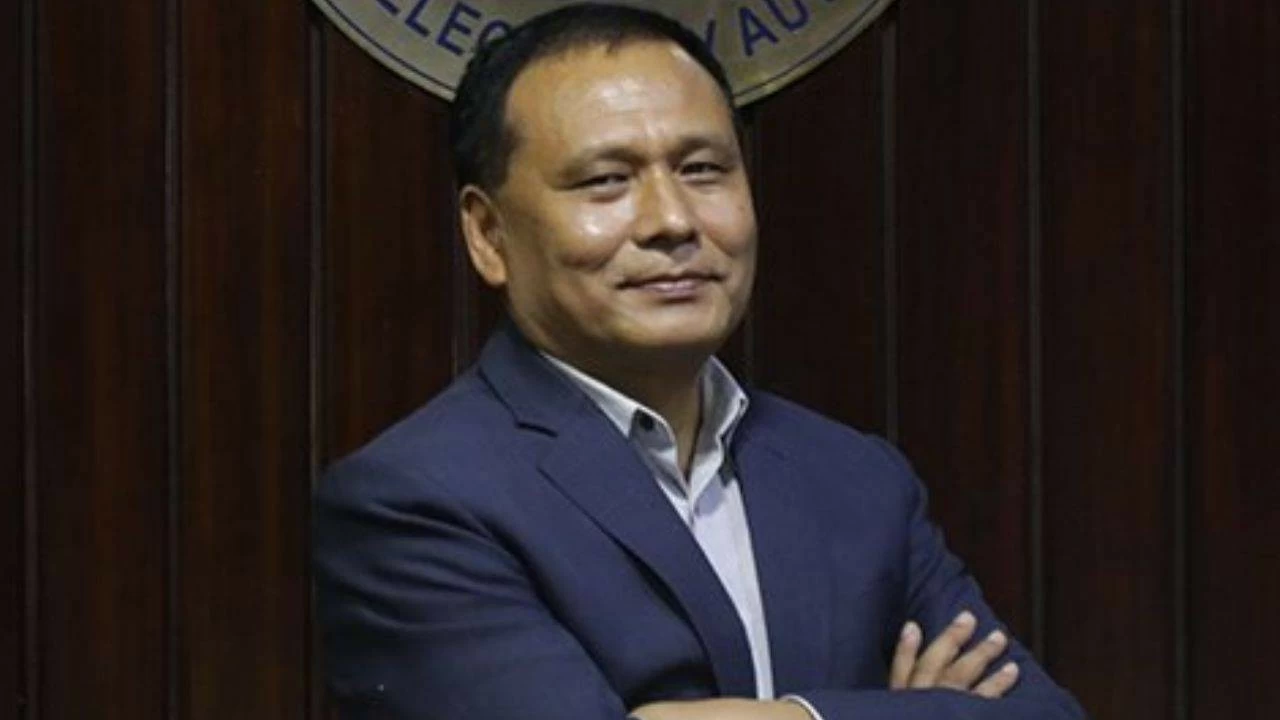


New Delhi: Engineer Kulman Ghising, former managing director of Nepal Electricity Authority (NEA), has emerged as the frontrunner to lead Nepal's interim government after former chief justice Sushila Karki step aside due to multiple reasons.
Ghising is widely credited with ending years of nationwide power cuts in Nepal and is considered a unifying figure acceptable to multiple youth groups spearheading the ongoing 'Gen Z' protests in the Himalayan nation. The proposal to recommend him was announced on Thursday as part of the push to form an interim council after days of violent protests that forced Prime Minister KP Sharma Oli to resign.
Karki, who initially was considered the frontrunner, stepped aside owing to constitutional hurdles and her age. Article 132 of Nepal's Constitution bars Supreme Court judges, past or present, from assuming any other office, while at over 70 she was also seen as not reflective of the youth-led agitation.
Kathmandu Mayor Balen Shah and Dharan Mayor Harka Sampang were also considered, but Shah publicly declined interest and Sampang was deemed to lack broad support. This made Ghising the most feasible option, according to a statement from Gen Z Nepal.
Ghising, an engineer by training, rose to prominence in 2016 when he ended chronic load-shedding that had plagued households and businesses for years. His tenure at NEA won him wide respect across Nepal, and he is often described as a "patriotic figure liked by everyone".
The development came after days of violence in Nepal that left 34 people, including several policemen, dead and over 1,000 injured in the Kathmandu Valley. The protests which began after government banned popular social media platforms grew into a larger anti-corruption stir.
The Nepali army has taken charge of security and is also facilitating talks between youth groups and President Ram Chandra Paudel on the formation of a new government. But divisions remain among the protest groups, with some favouring a stronger role for the army and even the return of monarchy, while others demand a democratic system run by a youth-centric team.