New Delhi: The United States and Venezuela are currently in a strained relationship, as US military buildup in the Caribbean increases. The US has stated that it is against a presumed drug cartel run by Venezuelan President Nicolas Maduro, as a result of which US President Donald Trump sent a warning that Venezuelan airspace is "
closed."
In the most recent turn of events, The Washington Post reported last week that in an operation in early September, US forces hit a boat after seeing two survivors of an initial strike clinging to the burning vessel. It claimed that US Defense Secretary Pete Hegseth had ordered troops to kill everyone on board, citing unnamed sources familiar with the operation.
Allegations and threats
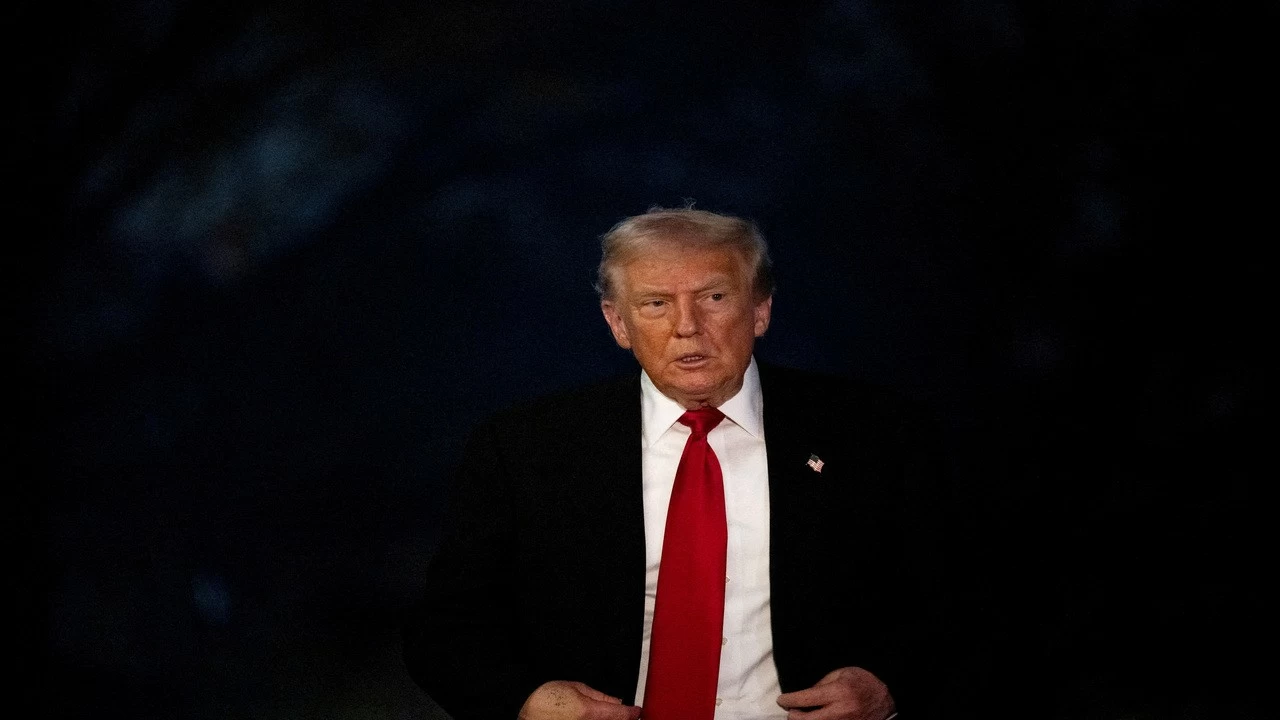
On the claims of the strike on the vessels, the US President retorted that, "I'm going to find out about it, but Pete said he did not order the death of those two men." He further added that, "We'll look into it, but no, I wouldn't have wanted that -- not a second strike. The first strike was very lethal."
Parallel to this in another related revelation, it has been reported that Donald Trump reportedly has given Nicolás Maduro an ultimatum to relinquish power. This reportedly took place over a phone call between the two heads of state. While Trump on Sunday confirmed the call, he did not divulge the details of the conversation, saying, “I wouldn’t say it went well or badly, it was a phone call.” Many sources have meanwhile claimed, for example news publication the Miami Herald, that Trump had sent a “blunt message” to his South American counterpart to relinquish power.
This comes after a massive
campaign from the US to pressurise Venezuela mainly by employing naval deployments in the Caribbean.
Continuing escalations
The root of contention between the two is the US claim that Maduro, the political heir to Venezuela's late leftist leader Hugo Chavez, is engaged in drug trade which is severely affecting the US. The Venezuelan government meanwhile has denied these claims. The United States also does not recognize Maduro as the legitimate winner of last year's presidential election.
While Washington has not made threats of major military escalations, the tactics it has used in recent times look to be intruding and pressuring the Venezuelan government. In one such major action, the US President last Saturday said the airspace above and surrounding Venezuela should be considered "closed in its entirety." "To all Airlines, Pilots, Drug Dealers, and Human Traffickers, please consider THE AIRSPACE ABOVE AND SURROUNDING VENEZUELA TO BE CLOSED IN ITS ENTIRETY," Trump said in a Truth Social post.
Thus, escalation between the two sides looks more plausible than ever before. The US intent seems clear and is growing day by day, on the other hand Venezuela also does not look to step back. It still is unclear as to what Trump wants from the Venezuela government in terms of halting the drug operation, but what is clear is that he opposes the continuation of the regime of Nicolas Maduro, who as time progresses is looking at fewer options to manage and combat the growing US threat.