Yunus endangering India ties, empowering extremists as violence becomes norm: Ex-Bangladesh PM Sheikh Hasina
Hasina further alleged that rising anti-India sentiment was being "manufactured by extremists" emboldened by the Yunus administration. "These are the same actors who marched on the Indian embassy and attacked our media offices, who attack minorities with impunity, and who forced my family and me to flee for our lives. Yunus has placed such figures in positions of power and released convicted terrorists from prison," she emphasised.
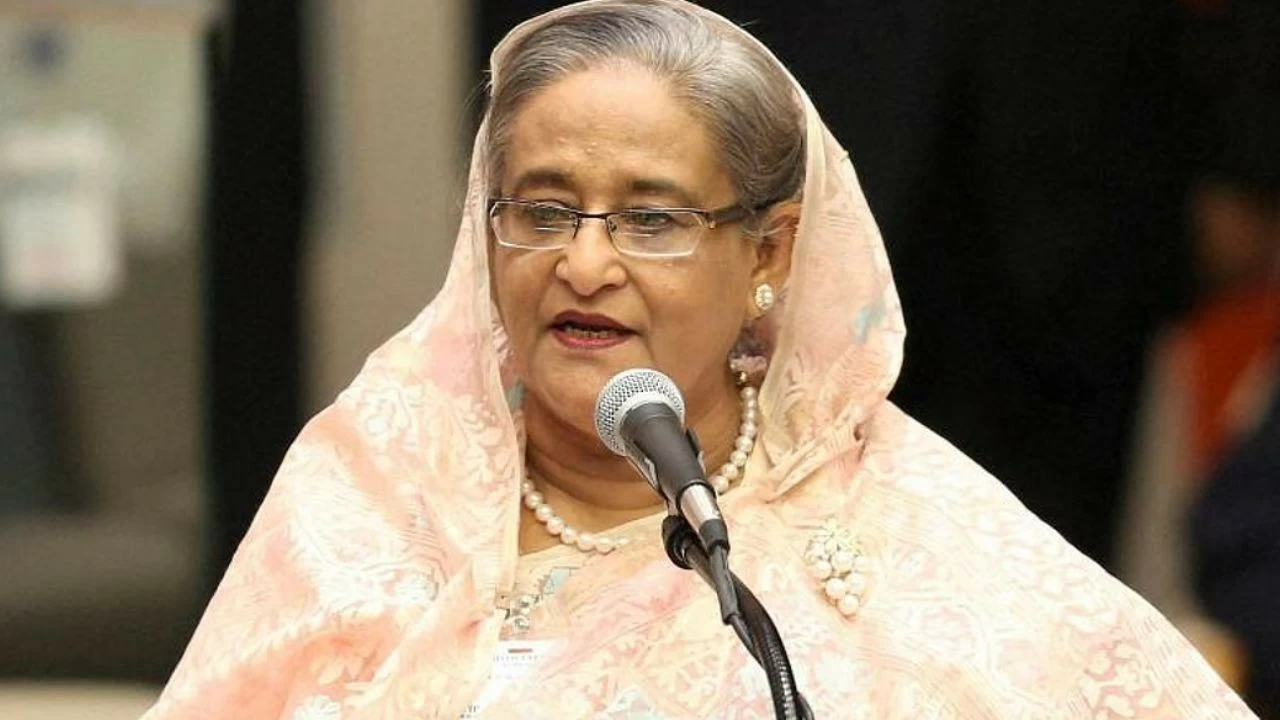
New Delhi: Former Bangladesh prime minister Sheikh Hasina has accused interim chief adviser Muhammad Yunus of endangering Bangladesh's ties with India, empowering extremist forces and presiding over a breakdown of law and order, saying violence has become the norm under the current dispensation.
In an email interview with ANI, Hasina said Yunus lacked any democratic mandate to reshape Bangladesh's foreign policy and warned that his approach was destabilising the country and the wider region. "Yunus has no mandate to realign Bangladesh's foreign policy. He was not elected, so he has no right to make strategic decisions that could impact generations," she said, adding that Bangladesh's relationship with India was "fundamental" and would endure beyond the interim government.
Hasina further alleged that rising anti-India sentiment was being "manufactured by extremists" emboldened by the Yunus administration. "These are the same actors who marched on the Indian embassy and attacked our media offices, who attack minorities with impunity, and who forced my family and me to flee for our lives. Yunus has placed such figures in positions of power and released convicted terrorists from prison," she emphasised.
She added that India's concerns over the safety of its diplomatic personnel were justified and accused the interim government of failing to protect embassies and minorities while granting "immunity to hooligans".
Referring to Dhaka's engagement with Pakistan, Hasina said Bangladesh believed in "friendship to all, malice toward none", but described Yunus's outreach to Islamabad as "inappropriate" and driven by desperation after alienating long-standing allies.
'Yunus desperate to allign with Pakistan'
"Of course it makes sense for our country to have a stable relationship with Pakistan, but Yunus' headlong embrace is inappropriate. Having needlessly alienated many of our longstanding allies, he now seems desperate to find a friend on the world stage," she said.
Hasina also criticised remarks linked to the so-called "Chicken's Neck" narrative involving India's Northeast, calling them "dangerous and irresponsible". She said no serious leader would threaten a neighbour on whom Bangladesh depended for trade, transit and regional stability, and asserted that such rhetoric did not represent the Bangladeshi people.
On internal security, Hasina alleged that Islamist influence had grown under Yunus, claiming extremists had been placed in cabinet positions, convicted terrorists released from prison and radical groups allowed to operate openly. "My fear is that radicals are using him to project an acceptable face to the international community while they systematically radicalise our institutions from within," she said, warning that the developments should alarm not just India but all countries invested in South Asian stability.
'Yunus powerless to stop violence in Bangladesh'
Citing the killing of student leader Osman Hadi, Hasina said the incident reflected the lawlessness that had spread since her government's removal. "Violence has become the norm while the interim government either denies it or is powerless to stop it," she said, adding that the situation was undermining Bangladesh's credibility internationally and straining ties with neighbours.
Responding to extradition demands and legal proceedings against her, Hasina dismissed the cases as politically motivated, describing the process as a "kangaroo tribunal". She said she had left Bangladesh to prevent bloodshed, not to evade justice, and challenged the interim government to take its charges to international courts. "When Bangladesh has a legitimate government and an independent judiciary, I will gladly return," she said.
On upcoming elections, Hasina warned that polls without the Awami League would lack legitimacy. "An election without the Awami League is not an election, but a coronation," she said, cautioning that any government formed through such a process would lack moral authority and deepen divisions at a time when Bangladesh needed national reconciliation.