Sign In
By signing in or creating an account, you agree with Associated Broadcasting Company's Terms & Conditions and Privacy Policy.
By signing in or creating an account, you agree with Associated Broadcasting Company's Terms & Conditions and Privacy Policy.
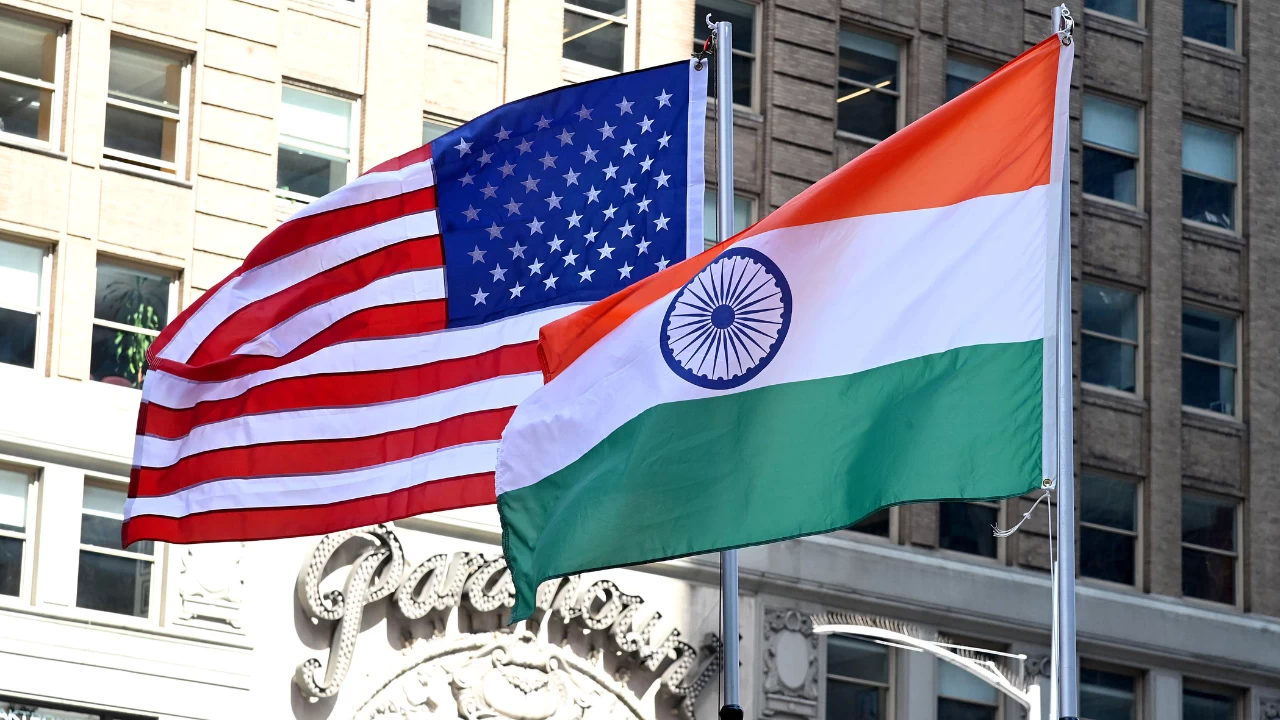


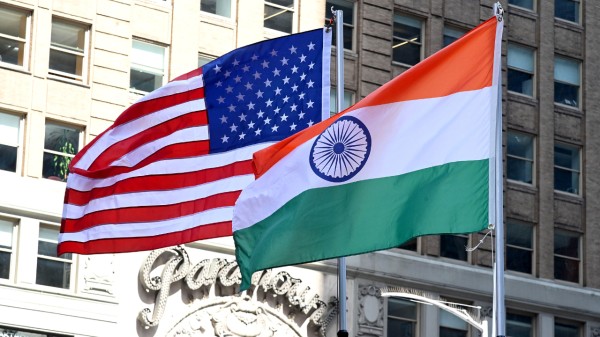
New Delhi: The tariff chapter in the US trade policy has shocked India's export structure in such a way that many industries are facing its impact. When the Donald Trump administration imposed an additional tariff of 25 percent on Indian products on 7 August 2025, no one thought that it would rise to 50 percent in a few weeks. But that's exactly what happened, and the next 100 days became a test for India not just an economic test, but also a test of strategic grit and response.
The latest Brickwork Ratings report tells the whole story of this shock, how the speed of Indian industries slowed down in these hundred days, employment came under pressure, investment stopped and the trade balance wavered at a record level. However, while India suffered huge losses in these 100 days, it also started significant changes in its export structure, which can determine the direction of the coming years.
In May 2025, India's exports to the US were $8.8 billion. By October 2025, it had come down to $5.3 billion, which means a decline of about 40 percent. It was not just a shock month, but a steady decline that lasted for five months.
Several reasons were working together behind this decline. Due to the sudden increase in tariffs, the price of Indian products is no longer competitive. At the same time, countries like Vietnam and Bangladesh were easily making a place in the US market due to low taxes and low costs. US domestic demand also weakened a bit, which further slowed down the pace of Indian exports. The Indian MSME sector was already under pressure from rising costs and financing; tariffs made their situation more difficult.
The report clearly states that the biggest impact of this tariff was on the areas where millions of people work, textiles, readymade garments, gems and jewellery, frozen shrimps, leather and processed food.
The dependence of the US market in these sectors is high, so the effect of increasing tariffs was immediately visible. Many units reduced production, reduced workers' working hours, and temporary layoffs had to be made somewhere. Products from Vietnam and ASEAN countries started selling 20-30 percent cheaper than India.
Exports divided into three categories and decline in every segment
The report divides Indian exports into three categories, tariff-free sectors, sectors with similar global tariffs, and sectors with 50% tariffs. In the last months, there has been a decline in these three categories.
Category A: Tariff-free products
Smartphones: Decreased from $2.29 billion in May 2025 to $884.6 million in September 2025.
Pharmaceuticals: Decreased from $745.6 million in May 2025 to $628.3 million in September 2025.
Both these sectors are major (flagship) sectors of India and are businesses benefiting from the PLI scheme.
Category B: Sectors with uniform tariff
Export value declined by 16.7%. It declined from $0.6 billion in May 2025 to $0.5 billion in September 2025.
Major sectors include metals and auto parts, aluminum, iron and steel, and copper.
The main reason for this decline is the industrial slowdown of America, not the lack of Indian competitiveness, because the same tariff is imposed on all countries.
Category C: Products with 50% India-specific tariff
Export prices fell drastically by 33%. It declined from $4.8 billion in May 2025 to $3.2 billion in September 2025.
Major sectors include gems and jewellery, solar panels, textiles and garments, chemicals, seafood, agriculture and processed food.
However, in this 100-day turmoil, India started exploring new markets. Cotton garment exports increased to countries like UAE, France and Japan. Demand for marine products jumped more than 60 percent in China, Vietnam and Thailand.
Due to these alternative markets, India's total exports reached 36.38 billion dollars in September 2025, which was a year-on-year increase of 6.7 percent. This is a sign that India does not want to depend on the US market alone and its strategy is now becoming multi-sectoral.
(Disclaimer: This article is only meant to provide information. TV9 does not recommend buying or selling shares or subscriptions of any IPO, Mutual Funds, gold, silver and crypto assets.)