Sign In
By signing in or creating an account, you agree with Associated Broadcasting Company's Terms & Conditions and Privacy Policy.
By signing in or creating an account, you agree with Associated Broadcasting Company's Terms & Conditions and Privacy Policy.


New Delhi: The Union Commerce and Industry Ministry is in the process of preparing a 100-day reform agenda that is set to usher in several changes, such as liberalising the FDI framework and relaxing rules for attracting more investment from neighbouring countries. Additionally, the agenda includes offering additional tax incentives to start-ups, said an official.
The program also includes easing certain environmental regulations for the sectors of leather and footwear and streamlining rules to support e-commerce exports and integrating lab testing and certification requirements across industries.
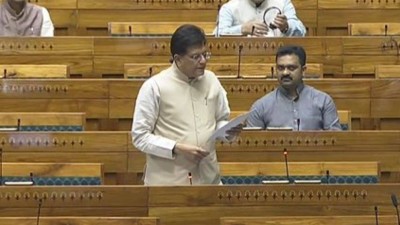
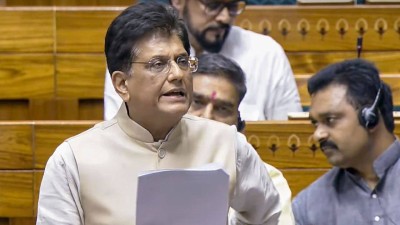
Speaking at the Lokmat Global Economic Convention, Union Commerce and Industry Minister Piyush Goyal said the government is fully committed to fulfilling PM Modi's Independence Day promise to accelerate India's path towards becoming a developed economy. The proposed reforms aim at boosting Indian exports while simultaneously attracting higher foreign direct investment (FDI). PM Modi also made a clarion call for a 10-year plan to build an indigenous defence shield stressing the need to develop domestic technologies in defence sector.
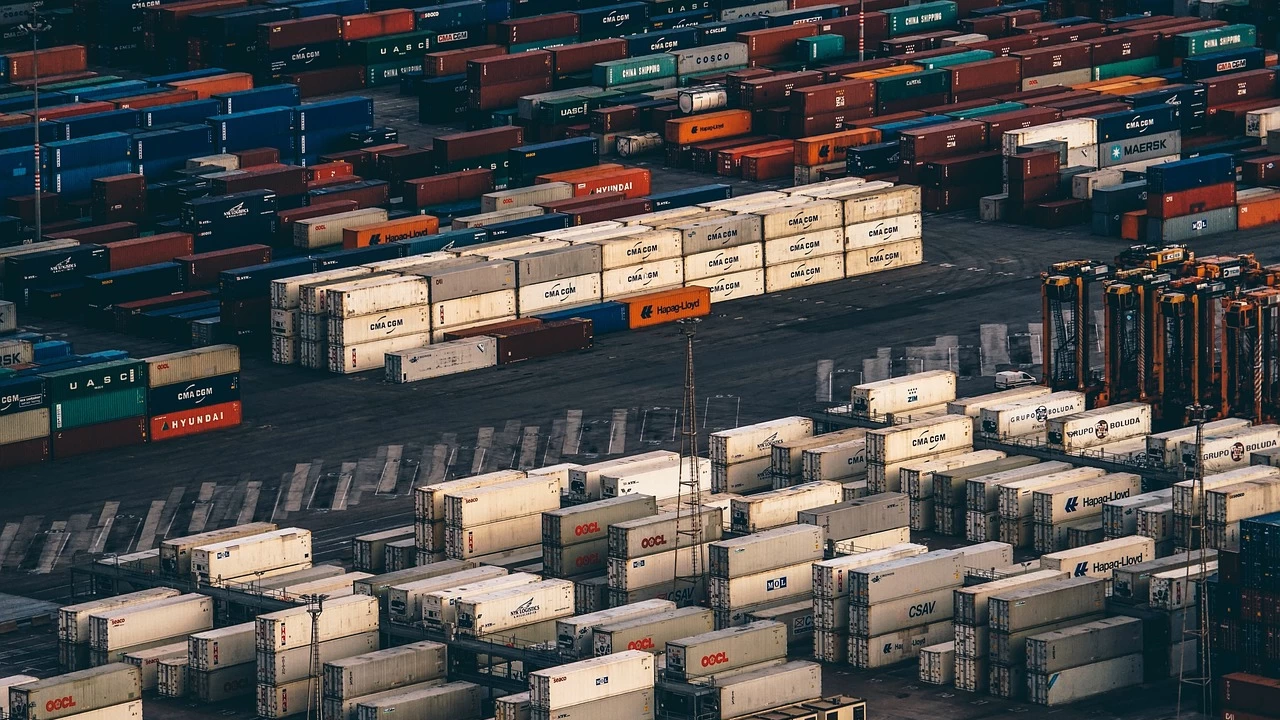
The trade data says that between April and July of the current fiscal year, FY26, exports rose around 3 percent to $149.2 billion, while imports stood at $244 billion, recording a surge of 5.36 percent in imports. Thereby, the net trade deficit stands at $94.81 billion. On the investment front, the FDI for the said period stood at $50 billion, growing 13 percent in inflows.
The July 2024 pre-budget Economic Survey made a strong case for seeking FDI from our eastern neighbour China in order to boost our exports and local manufacturing. Presently, the majority of the investment in the form of FDI comes through the automatic approval route. However, FDI from countries that India shares its land and marine borders with requires government approval in any sector.
Further, in order to strengthen the startup ecosystem, the government strives to offer income tax concessions and other tax incentives. Additionally, the Directorate General of Foreign Trade (DGFT), a body under the Commerce Ministry, is also working on policy initiatives to expand e-commerce exports, as the sector is full of untapped export potential.