Kolkata: With an eye on boosting the growth process further and taking advantage of the multi-decade low retail inflation levels, the Reserve Bank of India's rate-setting Monetary Policy Committee trimmed the policy Repo Rate by 25 basis points, bringing it down for the fourth time this year, raising hopes of a cut in the interest rates on loans by banks and NBFCs.
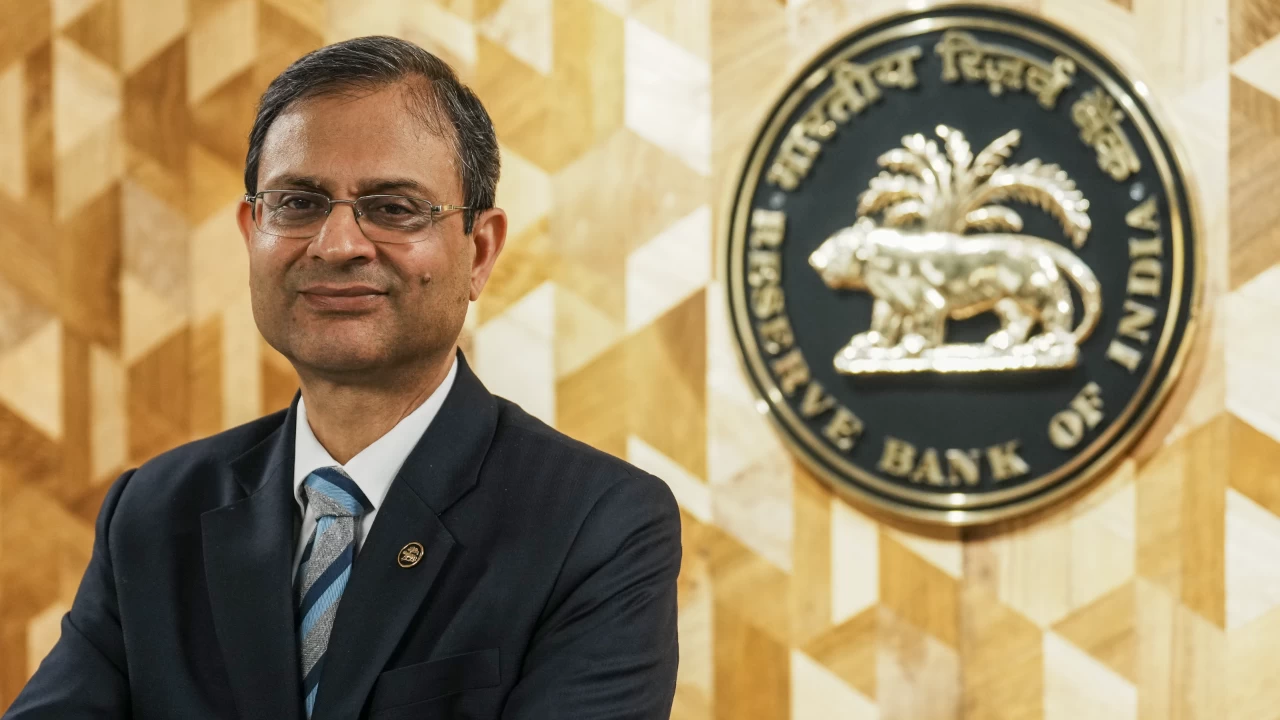
Announcing the decision, Malhotra emphasised that the RBI remains "supportive of growth" amid "unfavourable and challenging external environment", which set out the broad macro-economic objective of the central bank. Significantly, most analysts had said that it was unlikely that RBI will bring out the scissors taking into account the already high GDP growth rate of 8.2% in the Q2FY period. However, the ground for the central bank to intervene in favour of boosting growth further was there in the form of retail inflation rates which stood at 1.54% and 0.25% in September and October respectively.
Impact on loans
Most loans are nowadays linked to the external benchmark rates, in other words the Repo Rate, The interest rates on these loans will become lower. For the loans which are tagged to the MCLR, there could be a relative delay in the lower rates to come into effect. However, the bottomline is, if the banks bring down the loan rates, those who are going to apply for new loans will get cheaper rates. Also those who have already taken loans, will get the benefit of lower EMIs or reduced repayment period to extinguish their running loan.
Significantly, the policy rate reduction will impact EMIs on a whole range of loans — home loan, car loan, personal loan as well as education loan. With rates coming down, one can expect consumption to get a boost. The GST rejig has already given a push to consumption and the cheaper cost of funds could given it another push.
How can EMIs come down
Here is a quick snapshot on how lower rates can impact your wallet by bring down the EMI. If you have taken a home loan of Rs 80 lakh at 8.50% interest and assume a full pass through of 25 basis point on the new interest rate, which will come down to 8.25%, the new calculation could take the following shape:
Loan Amount: Rs 80 lakh
Tenure: 20 years
New rate: 8.25%
Old EMI: Rs 69,238 per month
New EMI: Rs 67,976 per month
You save Rs 15,144 per year
Impact on FDs
However, there is a flip side of the Repo Rate cut too. With lending rates going down, all banks and NBFCs will lower the interest rates they pay on
Fixed Deposits. In fact, the common experience is, the FD rates come down earlier compared to the lending rates of any institution. This is going to negatively impact the income level of millions of Indians, especially old and retired ones, who park a large portion of their capital in FDs in search of stable income while ensuring security of capital.
Inflation and GDP projection
The RBI governor said that retail inflation is expected to be lower than earlier stated. It could be 2% for the full year. Retail inflation is projected at 0.6% in Q3 and 2.9% in Q4. That for Q1FY27 and Q2FY27 they could be 3.9% and 4%, respectively. The GDP growth forecast was raised to 7% in Q3FY26 and 6.5% in Q4FY26. The figures for Q1 and Q2 of FY27 can be 6.7% and 6.8% respectively. The RBI governor also expressed satisfaction at the
foreign exchange reserves of India.