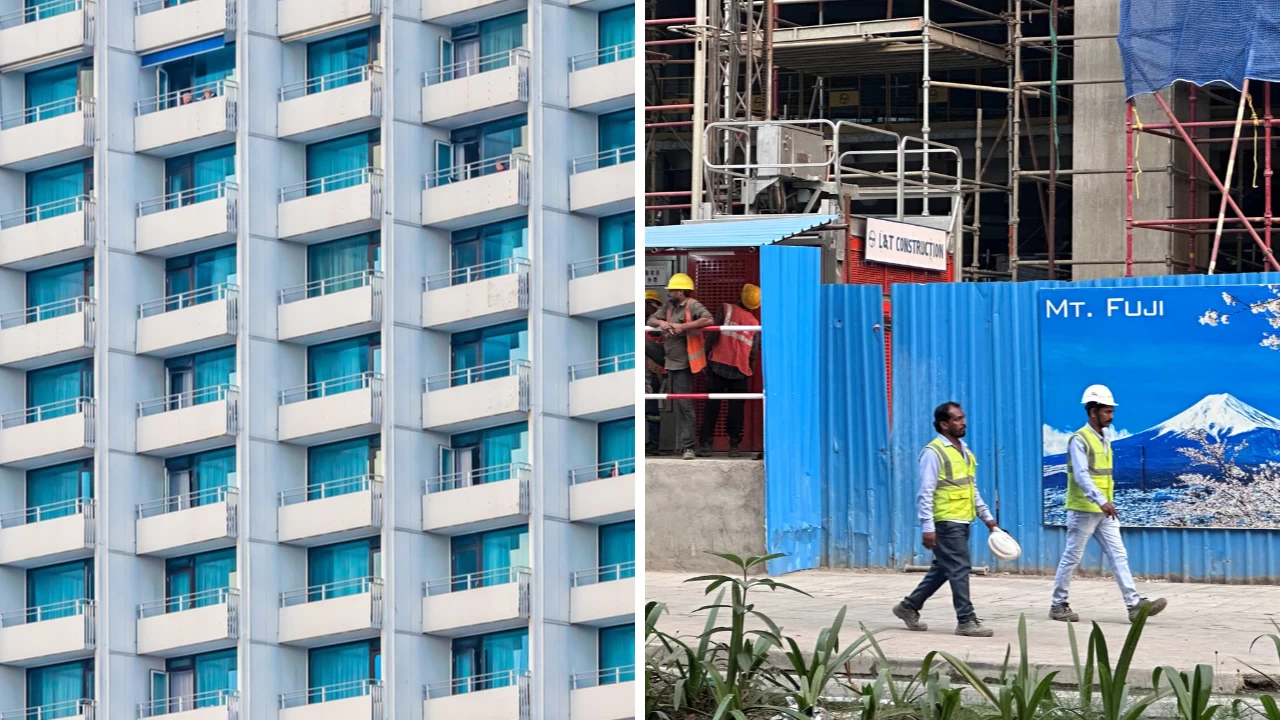
New Delhi: Buying a home is a big decision in life, but often buyers only look at the price and location. They ignore taxes and regulations. Several people get confused as to whether they should opt to purchase a ready-to-move-in flat or an under-construction one. Both GST, TDS and home
loan tax benefits are completely different. In such a situation, let's try to understand by example that if you are thinking of buying a home, then which option will affect your pocket.
Suppose a person from Bihar bought an under-construction flat worth Rs 85 lakh, while Mumbai's Saloni bought a ready-to-move house worth Rs 1.2 crore. Both have different tax obligations.
Under-Construction Property: GST, TDS & Home Loan Tax Benefits
If you buy an under-construction flat, the builder charges 5% GST on each installment (1% in affordable housing). This GST increases your overall cost. Also, if the price of the flat is more than Rs 50 lakh, then it is necessary to deduct 1% TDS on each installment. This money has to be deposited by the government through Form 26QB. TDS is not an additional expense, but non-timely deposits may result in penalties.
Home loan and tax exemption in under-construction
The interest (pre-EMI) you pay on the
loan taken from the bank before the construction is completed is not immediately tax-exempt. After getting possession of the house, it can be claimed in 5 equal parts every year by adding full pre-construction interest. But keep in mind that every year a maximum exemption of Rs 2 lakh will be available (in the old tax system). That means the boundary remains the same.
Ready-to-Move Property: No GST & Immediate Tax Benefits
Ready-to-move flats that have a completion certificate do not attract any GST. This is a big relief for buyers. However, if the price is above Rs 50 lakh, then here too 1% TDS will have to be deducted and Form 26QB will have to be filed.
Tax benefits in ready-to-move
- The benefit of a home loan in a ready-to-move home is available immediately.
- Interest deduction: Up to Rs 2 lakh annually for a self-occupied home
- Exemption on Principal: Under Section 80C (Within Limit)
The tax benefit starts from the same year of purchase, which improves cash flow.
New tax system
- The rules in the new tax system are stringent.
- No home loan interest deduction on a self-occupied home.
- There is also no option to claim pre-construction interest in 5 years in under-construction properties.
If you want tax savings and simple rules, a ready-to-move home proves to be much easier. GST and delayed tax exemption in under-construction can have an impact on your pocket. Understanding these rules before buying a home can save you from future hassles.
Data Source: HT