
Sign In
By signing in or creating an account, you agree with Associated Broadcasting Company's Terms & Conditions and Privacy Policy.
By signing in or creating an account, you agree with Associated Broadcasting Company's Terms & Conditions and Privacy Policy.
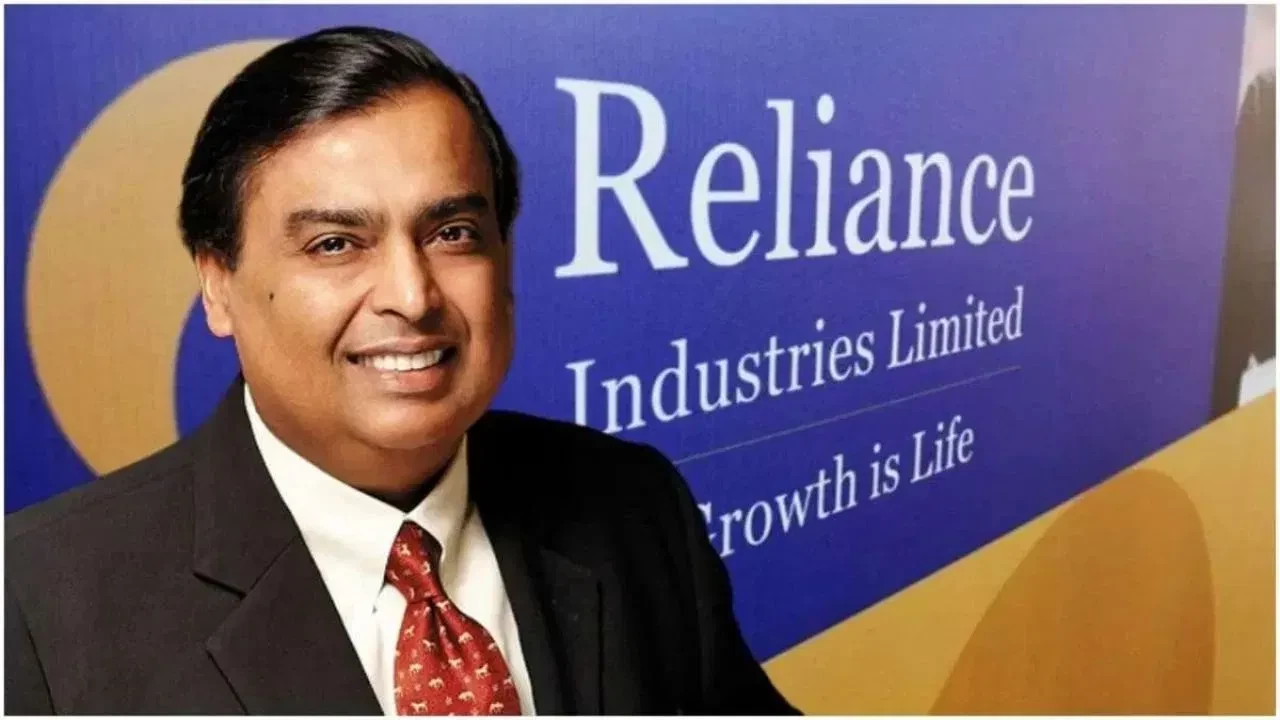


New Delhi: S&P Global Ratings has increased the credit rating of Reliance Industries Limited from 'BBB+' to 'A-. The agency has also kept a stable outlook with the rating. According to S&P, Reliance's consumer-based businesses such as digital services and retail are stabilizing the company's earnings and strengthening cash flow.
The report states that by the financial year 2026, about 60 percent of Reliance's total operating cash flow may come from the digital and retail sectors. The remaining 40 percent can come from the oil-to-chemicals and oil-gas business. This means that Reliance's earnings are now moving away from volatile business like hydrocarbons to more reliable areas. The agency has also estimated that the company's EBITDA could reach around Rs 1.95 lakh crore by FY 2026.
According to the S&P report, Jio's digital services sector will continue to be a major part of Reliance's earnings. In the next 12 to 24 months, it is possible to increase Jio's wireless customers by 3 to 6 percent. In addition, the increase in expensive plans and data consumption is expected to improve ARPU (Average Revenue Per User). Digital Services and Geostar are expected to generate around Rs 80,000 crore EBITDA in the financial year 2026, which will be about 43 percent of the company's total earnings.
Reliance's retail business is also strengthening cash flow. Retail is expected to fetch around Rs 27,000 crore EBITDA in FY 2026, which will make up about 14 percent of the company's total earnings. With the opening of new stores across the country and a strong supply-chain network, retail is now a reliable earning pillar of Reliance.
S&P also said that despite huge investments, Reliance will maintain its strong market position and financial stability will be maintained in the coming 12 to 24 months. The annual capex can go up to around Rs 1.4 lakh crore. In the coming years, the company may increase investment in the renewable and new energy sectors, which are not contributing to earnings right now, but may become big growth drivers in the next five years.