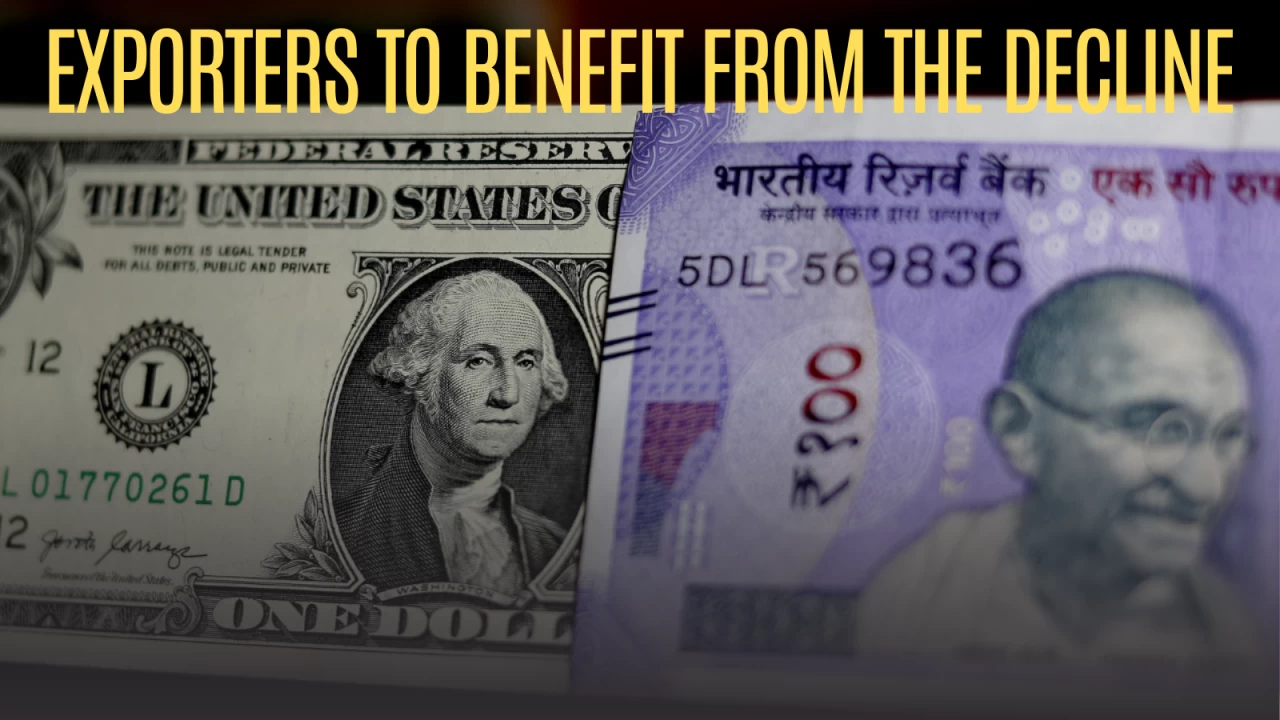
Kolkata: The Indian equity markets seem to have a lot to do with the falling Indian rupee. Indian rupee is close to the 92 mark against the dollar and the reason is the aggressive selling of Indian equities by FIIs (Foreign Institutional Investors), analyst are pointing out. The rupee closed at 91.88 against the US dollar which is just short of the low of 91.96 the rupee touched on Friday.
One of the major reasons is the consistent pull out by the FIIs. “Foreign institutional investors have already pulled out nearly $3.5 billion from Indian equities this month, pushing the Nifty 50 down close to 5% in January,” CR Forex Advisors MD Amit Pabari told the media. NSE data indicate that FIIs have sold Indian stocks valued at Rs 16,267 crore till Jan 23. In 2025, the Indian currency was the worst performing in Asia. In Jan 2026, it declined by more than 2% against the greenback, analysts are pointing out.
Travel, education, treatment abroad more expensive
The falling rupee makes any expenditure that is to be made in US dollars more expensive and it is irrespective of whether you have to do it yourself or if someone else does it for you. Whatever you were paying in Indian rupees for any goods or service marked in US dollars, you have to pay more and more as the rupee sinks against the dollar.
For those who are going to trips abroad where one has to pay in dollars, it is becoming more and more expensive. From airline tickets to hotels, from cab rides to buying that roadside meal -- one has to pay more Indian rupees to buy the same amount of dollar to pay for all those.
It is also hurting those student who go abroad, tuition fees will be more expensive as well as stay and all other expenses. Those who have to visit other countries for treatment will also find it more and more challenging to buy the same treatment and medicines.
The crude oil question
Whatever is imported from the US, or any source which demands payment in US dollars, is becoming more and more expensive. Let's take petroleum first. India buys more than 85% of its crude oil requirements and it has to be paid in dollars usually. Therefore, Indians refineries have to pay more for the same oil. The only saving grace is that the price of crude oil in the global markets in not high, otherwise the country would have paid a lot for its consumption. Worse, due to the pressure of UD president Donald Trump, Indian refiners have to buy less and less of Russian crude which was being offered to India at a discount. So, It is hurting India on two counts.
The basket of standard Indian imports includes crude oil, gold, silver, coal, plastic material, chemicals, electronic goods, vegetable oils, fertiliser, machinery, iron and steel etc and importers need to buy US dollars at a higher cost to pay for imported items.
But it is a relief for the Indian exporters since they earn in dollars. Also, those who have relatives of children abroad who send dollars to India regularly, are to benefit greatly as the same amount of US dollars translates into more and more Indian rupees as the currency declines against the greenback.