New Delhi: After the change in GST rate, the central government is working on a plan to simplify the customs duty system. Just as four GST slabs have been reduced to two, similar changes can be seen in relation to customs duty. At present, there are 8 different slabs in customs duty, which are being considered to be reduced to 5 or 6 slabs. The announcement regarding this is expected in
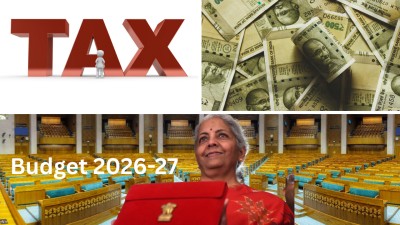
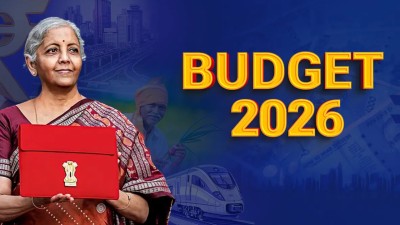
Budget 2026-27. It will also affect your pocket. Due to the low tax levied on goods coming from abroad, its price will be reduced in the market, which will make the goods cheaper.
At the same time, the government will also help in resolving customs related disputes. This can be announced in the budget to be presented for the financial year 2026-27. According to the report, efforts in this direction have been going on for the last 3-4 months.
Simplifying India's Customs Duty Slabs
The main objective of this reform is to reduce disputes related to customs classification, repair the inverted duty structure and eliminate unnecessary exemptions. For the last two years, the government has been focusing on making the Customs Framework more effective, which includes reducing the number of slabs and removing non-essential exemptions. According to the Economic Times report, major changes were made in the customs duty in the last budget and now there is scope for further reduction of slabs to 5—6.
Trade agreements and the role of digital systems
India is negotiating Free Trade Agreements (FTA) with many countries and agreements have already been reached with some countries. In such a situation, the improvement in customs duties is a sign that the government does not want to allow any obstruction in business negotiations. The Central Board of Indirect Taxes and Customs (CBIC) is working on developing a simple and digital system by linking customs duty with the new GST regime. At the same time, the government is also making efforts to address the grievances of traders.
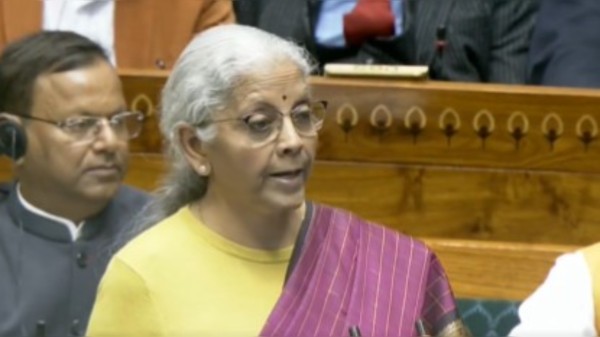
The government is planning to redefine the duty structure between Special Economic Zones (SEZs) and domestic sectors. This proposed change is part of broader SEZ reforms. Disputes related to customs classification are a big reason for litigation, which is the priority of the government to reduce. According to the report of the Parliament's Standing Committee on Finance, there were 75,592 customs cases pending till December 2024, with about Rs 24,016.20 crore yet to be recovered. Finance Minister Nirmala Sitharaman had indicated last month that easing customs duties would be an important part of the government's next big reform agenda.