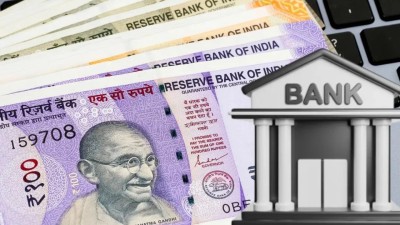
New Delhi: The Indian government is preparing to make another big change in the banking sector. In several media reports, sources have been quoted as saying that the government is considering building a new mega structure by merging small government banks into big banks. After the recommendation of NITI Aayog, this proposal is being worked out fast and it is expected that in the coming years many small
banks of the country can become part of big public banks. After this news, questions are arising in the minds of the bank's account holders about what will be the impact of this merger on their accounts?
Banks mergers: Impact on account holders
The merger of banks can also have a direct impact on the customers. For example, after the merger, bank name, IFSC code, cheque book, passbook etc. may have to be changed. At the same time, there is a possibility of delays in services for some time during account migration and data transfer. Along with this, the nearest branches of two
banks can be merged, which will affect the account holders. However, digital services may become stronger.
Account holders are also expected to benefit from this. As the security of big banks will increase, better digital banking services and more facilities can also be benefited. At the same time, the government generally ensures that customers are minimized and that changes are implemented in a smooth manner.
Which banks can be merged?
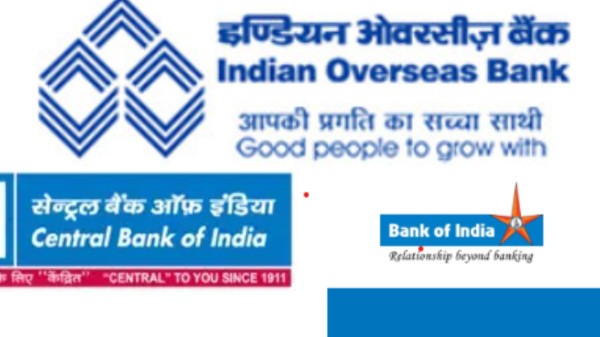
Media reports say that the government is considering merging Indian Overseas Bank, Central Bank of India, Bank of India and Bank of Maharashtra into big government banks. They can be merged with the following big banks: State Bank of India (SBI), Punjab National Bank (PNB) and Bank of Baroda (BoB).
It is being said that the initial documents on this proposal have been prepared and it will be sent to the cabinet and the PMO soon. If approved, this mega merger can be completed in the financial year 2026-27.
Why could government banks be merged?
In the last few years, the pressure on small banks has increased. There are three main reasons for this, increased spending, continuous growth of NPAs (NPAs) and being left behind in competition due to small balance sheets. The government wants banks to be strengthened so that they can not only meet the needs of the country but also compete globally.
What changes will happen after the merger?
It is believed that after the merger, the lending capacity of banks will increase, the balance sheet will be strengthened and technology and management can also be improved. With this, operations will become more effective. Between 2017 and 2020, the government has combined 10 banks and created 4 big banks. Now if the new plan is implemented, then only four government banks will be left in the country: SBI, PNB, BoB and Canara Bank.