Sign In
By signing in or creating an account, you agree with Associated Broadcasting Company's Terms & Conditions and Privacy Policy.
By signing in or creating an account, you agree with Associated Broadcasting Company's Terms & Conditions and Privacy Policy.
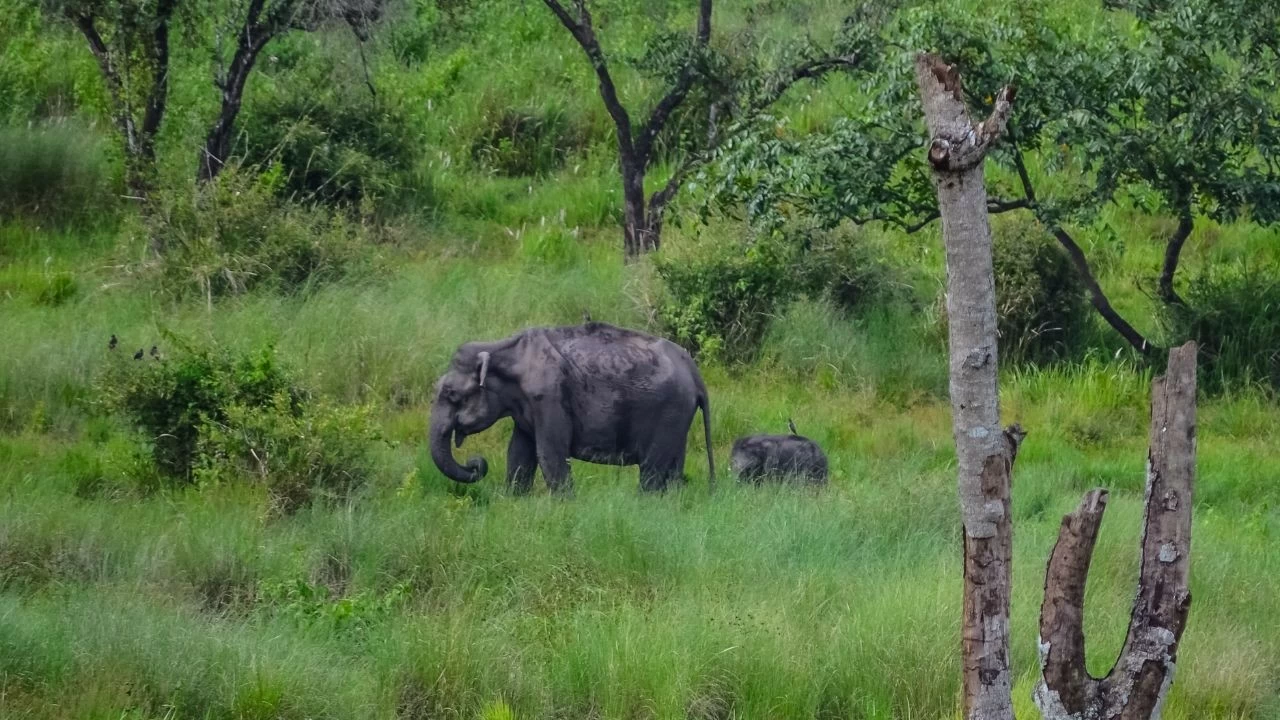


New Delhi: In a case quite similar to the Aravali-hills row, a Supreme Court appointed panel is set to review the government's order cutting down the eco-sensitive zone (ESZ) around the Bannerghatta National Park. The inspection is scheduled for Friday. The government had in 2018 declared reducing the ESZ around Bengaluru's green backyard.
The park is being eyed by real estate agents and also mining barons, who want to use the contiguous landscape of the environmentally sensitive zone for their own benefits. The main reason for public protests is the government's move to reduce ESZ from 268.9sqkm to 168.8sqkm. They have also reduced the width of the ESZ from 4 kilometers to just 1 kilometre, according to a report in the Times of India.
A group of citizens, led by K Belliappa approached the Supreme Court. They asked for a review of the government order regarding the reduction in ESZ area, through a petition filed in May 2025. Following this, the Supreme Court appointed a Central Empowered Committee (CEC) to survey the park. On Friday this panel, led by Chandra Prakash Goyal is all set to carry out the survey of the park. They are also expected to speak to senior officials of the Karnataka government.
The review panel will try to understand the ecological impact of the reduction of the ESZ ordered by the government. They are expected to meet the highest level officers of the Karnataka government, including the chief secretary before arriving at any decisions regarding the matter.
In 2016, the Central government through a notification made in consultation with the state government had declared the 268.9sqkm area around BNP as ESZ. However when the actual notification was released in November 2018, the protected area was sharply curtailed. This, the petitioners alleged was due to the influence of mining barons and real estate developers. According to the petitioners, several ecologically sensitive areas surrounding elephant corridors in the National Park were not part of the ESZ, according to the 2018 notification.
One of the petitioners in the case, Kiran Urs said that the deliberate exclusion of ESZ from the notification, seems to be an attempt to legitimize ecological violations. He argued that the pockets excluded from the notification had active quarries and there was also an attempt to build a whole township in the area, which would have deep impact on the ecosensitive zone.
This case from Bengaluru reminds one of the recent controversy regarding the Aravali hills. There were massive protests after the Supreme Court gave its nod to a revised definition of the Aravalli Hills which was spelt out by a government-appointed expert committee. According to the new definition, only landforms rising above 100 metres from the surrounding area would be considered as hills.
This move of the government would put almost 90% of the area of the Aravallis outside the definition of hills and they would be exposed to mining and construction operations planned in the region. Following this, there was massive public outcry as environmentalists warned of severe consequences if the hills were touched.
Following protests from the public, the Supreme Court was forced to stay its own 100-metre ceiling order. The order was given by a 3-judge bench, headed by Chief Justice of India Surya Kant, on December 29, 2025. Overruling its own previous order, the court said that no mining activities will be carried out in the Aravaalli hills. The next date of hearing in the case is January 21, 2026.