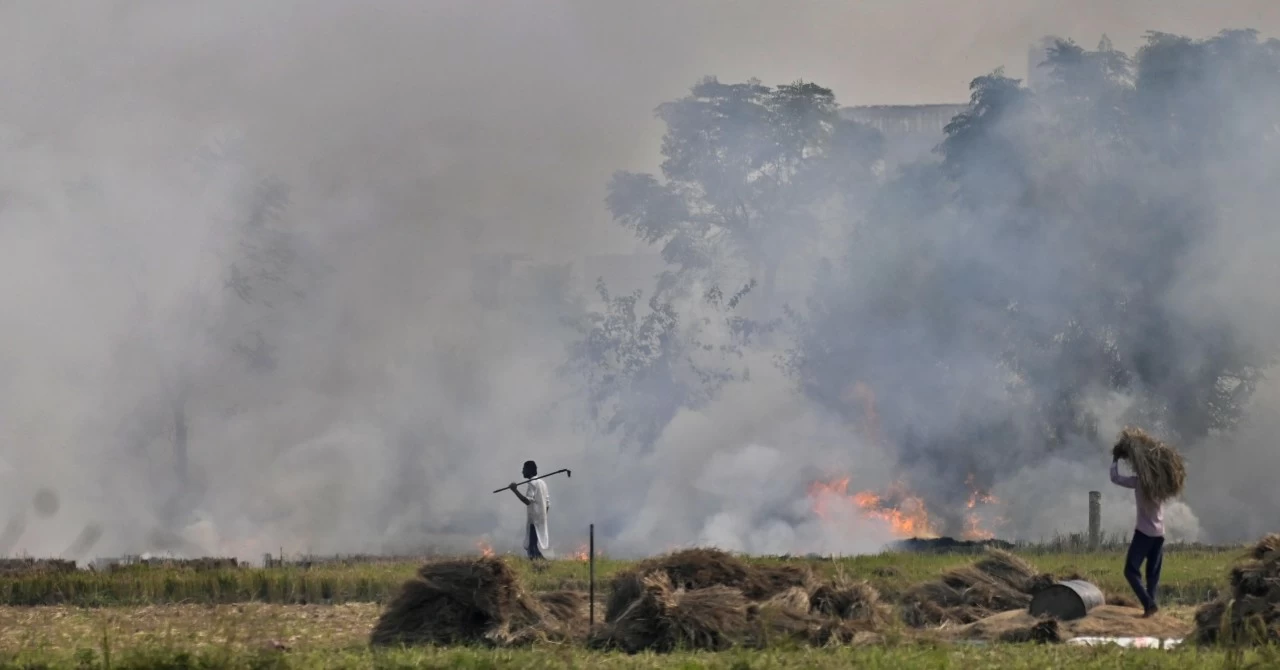
Bengaluru: While Bengaluru has been grappling with its deteriorating air quality, new data reveals a more alarming truth. According to the new figures, Ballari has now surpassed the state capital to claim the dubious title of Karnataka's most polluted city.
The Air Quality Index (AQI) in Ballari plummeted to 173 today, higher than Bengaluru's 168, signalling a severe environmental and health challenge for its residents, attributed largely to a combination of
air pollution and poor road conditions.
The air quality across Karnataka is undergoing a worrying transformation, with several cities experiencing a significant dip. Bengaluru, often perceived as the epicentre of the state's pollution woes, has seen its air quality deteriorate consistently over the past three to four days.
Today's AQI of 168 showed a slight improvement from Saturday's alarming 206, a figure previously dubbed a historical low for Bengaluru. Experts warn that this respite might be fleeting, with conditions expected to worsen again by evening. Earlier forecasts had suggested that if Bengaluru's air quality trends continued, it could mirror the crisis unfolding in Delhi.
A state grappling with unhealthy air
Today's AQI values across the state present a grim picture, fluctuating between 138 and 218 for many urban centres. The breakdown of AQI categories defines
'Unhealthy' between 150-200, indicating that several Karnataka cities are firmly in this hazardous zone:
Ballari: 173 (Karnataka's Most Polluted)
Bengaluru: 168
Belagavi: 168
Mangaluru: 138
Mysuru: 100
Batsmen: 99
Shivamogga: 96
Hubli: 96
Batsmen: 118
Vijayapura: 115
Significant health risks and expert advice
Such air quality poses considerable health risks, particularly for vulnerable populations. Children, the elderly, and individuals with pre-existing respiratory or cardiac ailments are strongly advised to exercise extreme caution.
Health experts recommend avoiding unnecessary outdoor activities, especially during early morning and dusk when fog often exacerbates air pollution, and to wear masks when venturing outside. The primary pollutants identified are particulate matter (PM2.5 and PM10), and states have been urged to adhere to WHO guidelines for air quality management.
Medical professionals are also sounding the alarm. "Increased air pollution in Bengaluru amid the foggy winter weather can lead to lung and cardiovascular diseases. This risk is especially high in adults," said a doctor.
"Do not indulge in unnecessary outdoor activities in the foggy weather seen during the early morning and dusk. If you notice any problems in those who are already suffering from respiratory and cardiovascular diseases, consult a doctor immediately. Don't ignore these kinds of health issues," he added.
Airport operations hampered by dense Fog
Due to low visibility caused by the pollution and dense fog, Bengaluru’s Kempegowda International Airport (KIA) experienced significant disruptions on Monday morning. A total of 48 flights were delayed between 4:14 am and 10:30 am, including two international and 46 domestic flights.
Similar delays have been a recurring issue at KIA since early November. Despite both the north and south runways being equipped with CAT III-B systems, designed to aid pilots with accurate lateral and vertical guidance during low-visibility conditions for safe touchdowns, the sheer density of the fog proved too challenging.