
Sign In
By signing in or creating an account, you agree with Associated Broadcasting Company's Terms & Conditions and Privacy Policy.
By signing in or creating an account, you agree with Associated Broadcasting Company's Terms & Conditions and Privacy Policy.


New Delhi: Delhi environment minister Manjinder Singh Sirsa on Tuesday apologised for the city's "severe" air pollution, saying it was impossible for any elected government to bring down air quality levels within nine to 10 months.
Speaking at a press briefing, Sirsa blamed the previous Aam Aadmi Party (AAP) government for the crisis, claiming the current dispensation was "doing better work" to tackle pollution. "This disease of pollution has been given to us by the Aam Aadmi Party, and we are working to fix it," he said.
Announcing stricter measures, the minister said that from Thursday, only BS-VI compliant vehicles from outside Delhi will be allowed to enter the capital. Vehicles without a valid Pollution Under Control Certificate (PUCC) will be denied fuel at petrol pumps, while trucks carrying construction material into Delhi and vehicles below BS-VI standards will be sealed, irrespective of registration status.
Sirsa said Delhi's average AQI in November was around 20 points lower compared to last year. Of the proposed 5,300 electric buses, 3,427 have already been inducted, while over seven lakh challans have been issued against vehicles without valid PUCC certificates. He added that a team of scientists had been constituted and held its first meeting on November 12.
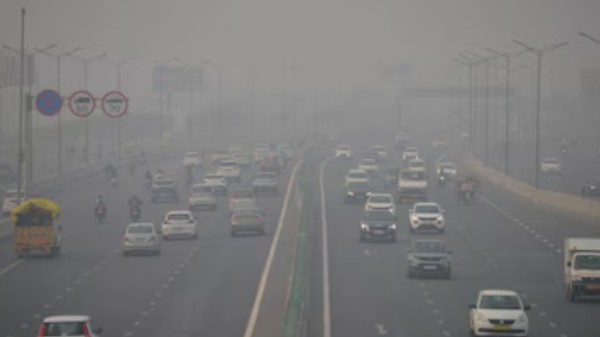
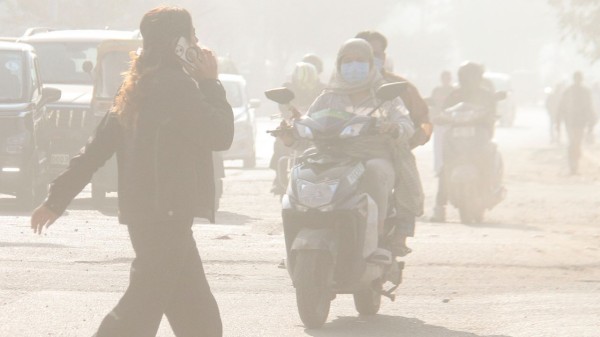
The announcements came as Delhi-NCR continued to reel under severe smog, with the air quality index remaining above 400 at most monitoring stations. Neighbouring cities such as Noida and Ghaziabad also recorded "severe" AQI levels.
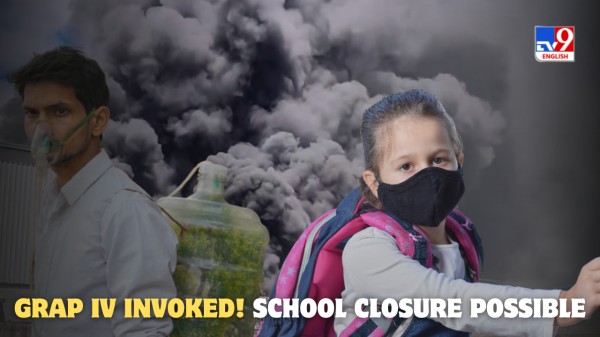
With pollution breaching critical limits, the Commission for Air Quality Management (CAQM) has invoked Stage-IV of the Graded Response Action Plan (GRAP) across Delhi-NCR, the strictest set of curbs, applicable when AQI exceeds 450. Delhi recorded an AQI of 498 on Monday and 461 on Sunday.
According to the Air Quality Early Warning System (AQEWS), no immediate relief is expected, with pollution levels likely to remain "very poor" to "severe" over the next six days.