
Sign In
By signing in or creating an account, you agree with Associated Broadcasting Company's Terms & Conditions and Privacy Policy.
By signing in or creating an account, you agree with Associated Broadcasting Company's Terms & Conditions and Privacy Policy.


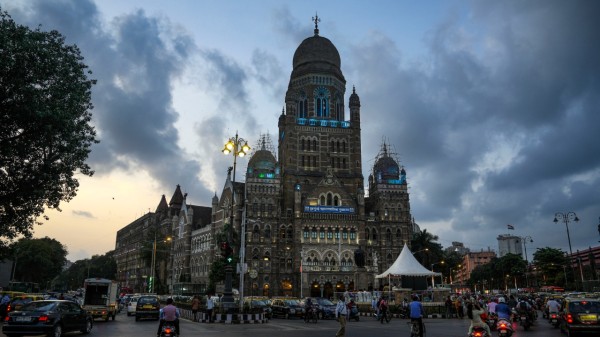
Mumbai: In an effort to balance long-standing cultural traditions with growing public health concerns, the Brihanmumbai Municipal Corporation (BMC) has introduced a pilot plan allowing “controlled pigeon-feeding” at four new sites across Mumbai.
Under the new arrangement, feeding will be permitted strictly between 7:00 AM and 9:00 AM each morning. The decision, announced on Friday, will remain in force until the BMC receives recommendations from an expert committee and further directives from the Bombay High Court.
According to the civic body’s notification, the designated pigeon-feeding zones are:
Each site will be supervised by the Assistant Municipal Commissioner of the respective ward, who will serve as the nodal officer.
The BMC also plans to erect signboards at these spots, alerting citizens to the health hazards linked to pigeon droppings and feathers.
The civic body has made it clear that feeding will only be permitted if voluntary organisations take responsibility for managing these locations. These groups will need to:
The BMC stressed that its new policy does not mean the reopening of the city’s traditional kabutarkhanas, pigeon-feeding shelters that were sealed following court orders. Sites such as the one at Dadar Kabutarkhana will remain closed and covered until further notice.
The corporation revealed that it has received nearly 9,800 responses from citizens, ranging from demands to close or reopen specific sites to complaints about sanitation and public health.
The civic authority’s move is seen as a cautious attempt to find a middle ground between religious sentiment and urban health concerns. Pigeon-feeding is deeply rooted in local custom, but experts have long warned of respiratory and hygiene issues caused by dense bird populations and accumulated droppings.
Meanwhile, the High Court-appointed expert committee is expected to submit its findings soon, focusing on the environmental and health impacts of pigeon-feeding. Its report, along with subsequent court and state government directions, will shape the long-term policy for such activities across Mumbai.
In the meantime, the BMC will observe how the four experimental zones operate under the two-hour feeding limit and whether managing organisations comply with civic and health regulations.