Sign In
By signing in or creating an account, you agree with Associated Broadcasting Company's Terms & Conditions and Privacy Policy.
By signing in or creating an account, you agree with Associated Broadcasting Company's Terms & Conditions and Privacy Policy.
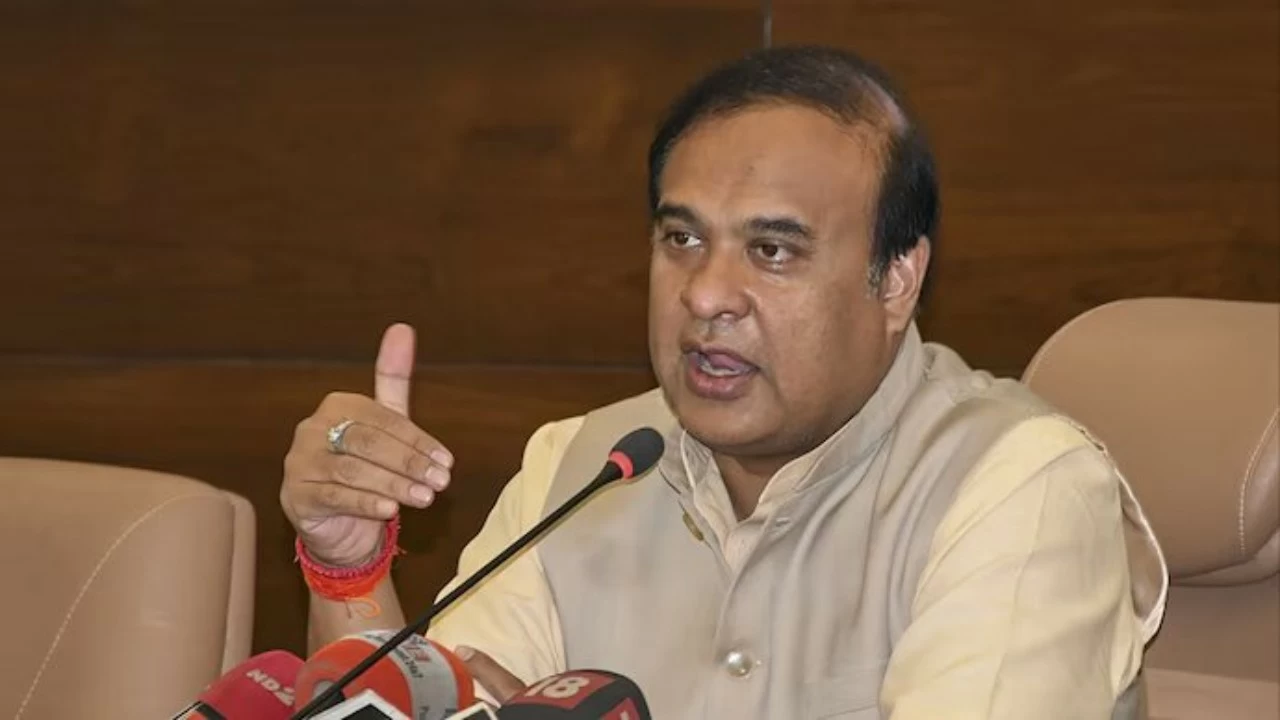


New Delhi: The Assam Assembly on Thursday passed the Assam Prohibition of Polygamy Bill, 2025, a stringent law that criminalises polygamous marriages in the state and prescribes severe penalties for offenders. Individuals entering into a polygamous marriage now face imprisonment of up to seven years, while those who hide information about an existing spouse before remarrying can be punished with up to ten years in jail.
Before the House voted on the legislation, Chief Minister Himanta Biswa Sarma defended the bill, stating that it aligned with religious principles rather than targeting any community. "Islam can't promote polygamy. If this bill passes, then you will get a chance to be a true Muslim. This bill is not against Islam. The true Islamic people will welcome this Act. Countries like Turkey have also banned Polygamy; there is an arbitration council in Pakistan..." he told the Assembly. Reiterating his long-standing stance on legal reforms, he added, "If I return to the assembly as the Chief Minister, I will bring the UCC in the first session of the assembly. I give you my commitment that I will bring the UCC to Assam."
The bill also drew criticism from sections of the Opposition. AIUDF MLA Aminul Islam said his party opposed the legislation on the grounds that it allegedly violated certain constitutional provisions.
Beyond penalising direct offenders, the law extends accountability to those who abet such marriages. Parents, religious figures, village heads and others who help solemnise or conceal polygamous unions can face imprisonment of up to two years. Repeat offenders will be subjected to harsher punishments, though the exact enhancements are yet to be notified.
A key provision of the law disqualifies anyone convicted under it from holding or seeking employment in Assam’s government-funded institutions, availing sstate-sponsored welfare schemes, or contesting elections in the state. Polygamy is now a cognisable offence, allowing police to arrest accused persons without a warrant and begin investigations immediately upon receiving a complaint.
The law also incorporates safeguards for women affected by illegal polygamous marriages. A state-appointed authority will evaluate cases and grant financial compensation to victims.
However, the prohibition does not extend to areas and communities governed by the Sixth Schedule. The Bodoland Territorial Region, Dima Hasao, Karbi Anglong, West Karbi Anglong, and all Scheduled Tribe communities are exempt from the law’s application.
Introduced on the opening day of the winter session, the bill followed extensive debate on its implications for personal laws and its impact on religious and tribal groups. The government has positioned the legislation as part of its broader plan to pursue a Uniform Civil Code and strengthen legal protections for women in Assam.