Sign In
By signing in or creating an account, you agree with Associated Broadcasting Company's Terms & Conditions and Privacy Policy.
By signing in or creating an account, you agree with Associated Broadcasting Company's Terms & Conditions and Privacy Policy.


Dehradun: Uttarakhand’s political scene is heating up well before the 2027 assembly elections, but the debate is no longer about roads, healthcare, education, unemployment, or migration. Instead, the spotlight has shifted to artificial intelligence.
Audio leaks, video clips, and AI‑generated content have become the new battleground, pushing real issues into the shadows and turning politics into a blame‑game fought through technology.
AI becomes a political tool
Artificial intelligence, once seen as a tool for progress, is now being misused in Uttarakhand’s political circles. The controversy gained momentum when an AI‑generated video of former Chief Minister Harish Rawat surfaced showing him as a Pakistani spy. Rawat lodged a police complaint, alleging that the BJP was behind the attempt to damage his image. He spent hours at the police station demanding strict action against those responsible. Rawat has openly warned that BJP leaders will face consequences for using such tactics.
The Congress party has accused the BJP of orchestrating the video against Harish Rawat, while the BJP has countered by claiming that Congress itself is using AI to malign its leaders.
Urmila Sanawar alleged BJP leaders’ involvement in Ankita Bhandari case
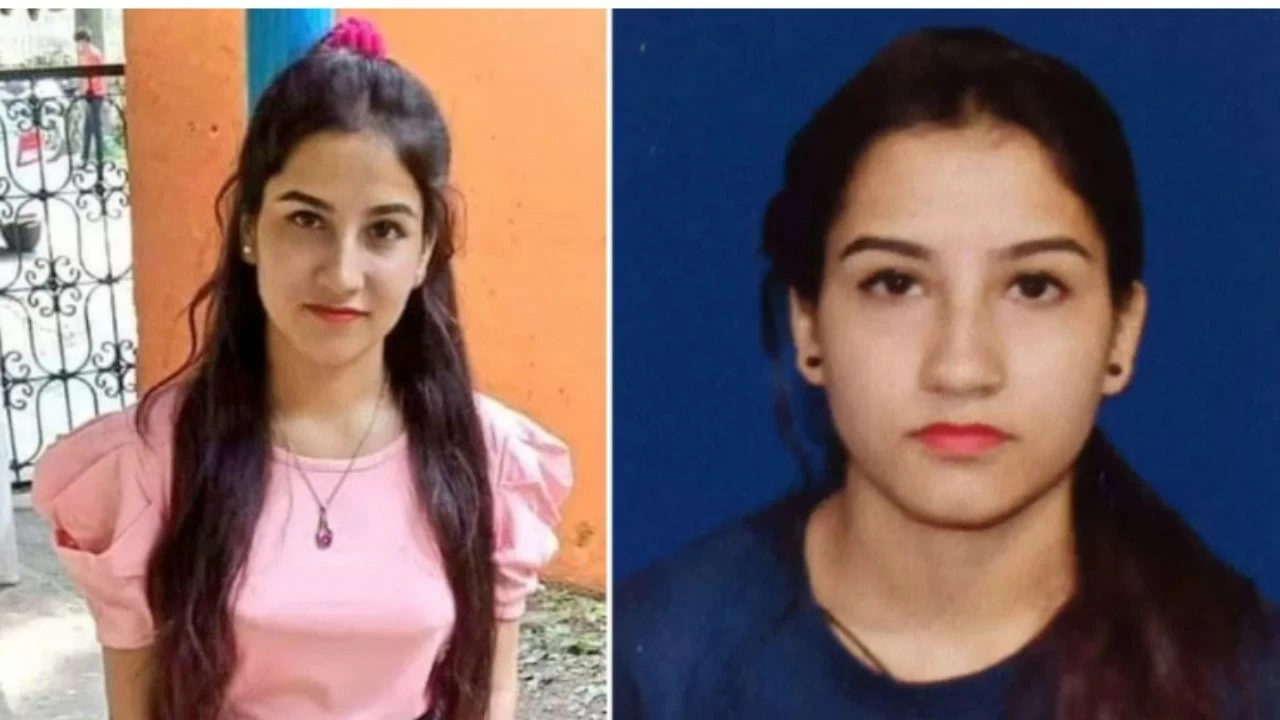
The latest controversy involves actress Urmila Sanawar and former BJP MLA Suresh Rathore. Actress Urmila Sanawar stirred Uttarakhand politics by releasing an audio clip, claiming the voice belonged to former BJP MLA Suresh Rathore. Linking it to the Ankita Bhandari case, she alleged VIP involvement. The BJP countered, accusing Congress of using AI to fabricate evidence and tarnish its leader’s image.
BJP state president Mahendra Bhatt strongly rejected the allegations, stating that the party will not allow Congress’s “AI plot” to succeed. He accused Congress of using Urmila Sanawar as a shield to attack the BJP. Meanwhile, Urmila herself has declared that she is ready for any investigation. She has said she will cooperate fully, even allowing her mobile phone and conversations to be examined, to prove that the audio is genuine.
Experts warn of declining standards
Political analysts are concerned about this trend. Sunil Dutt Pandey, a well‑known analyst, has said that the misuse of AI in politics is a dangerous sign. According to him, if parties continue to rely on fake audio and video clips to attack each other, democratic discourse will decline sharply. Instead of debating policies and development, politics will be reduced to mudslinging through technology.
A senior journalist also noted that the level of politics in Uttarakhand is falling. He warned that if AI‑based propaganda continues, MLAs and officials may even hesitate to answer calls from the public, fearing that their voices could be recorded and manipulated. This, he said, would create a serious disconnect between leaders and citizens.
Real issues are kept on backburner
While the political blame‑game intensifies, the real issues facing Uttarakhand remain unresolved. The state continues to struggle with unemployment, large‑scale migration from hill districts, poor healthcare facilities, lack of infrastructure in remote areas, and frequent natural disasters. These challenges demand urgent attention, yet they are being overshadowed by controversies over AI‑generated content.
For ordinary citizens, the situation is frustrating. Many feel that politicians are more interested in protecting their images than in solving problems. The misuse of technology has created distrust, leaving people confused about what is real and what is fake.
Leaders are locked in a blame‑game fuelled by technology
Instead of addressing unemployment, migration, healthcare, and disaster preparedness, leaders are locked in a blame‑game fueled by technology. As the 2027 elections approach, the challenge for Uttarakhand will be to bring the focus back to real issues.