


Sign In
By signing in or creating an account, you agree with Associated Broadcasting Company's Terms & Conditions and Privacy Policy.
By signing in or creating an account, you agree with Associated Broadcasting Company's Terms & Conditions and Privacy Policy.
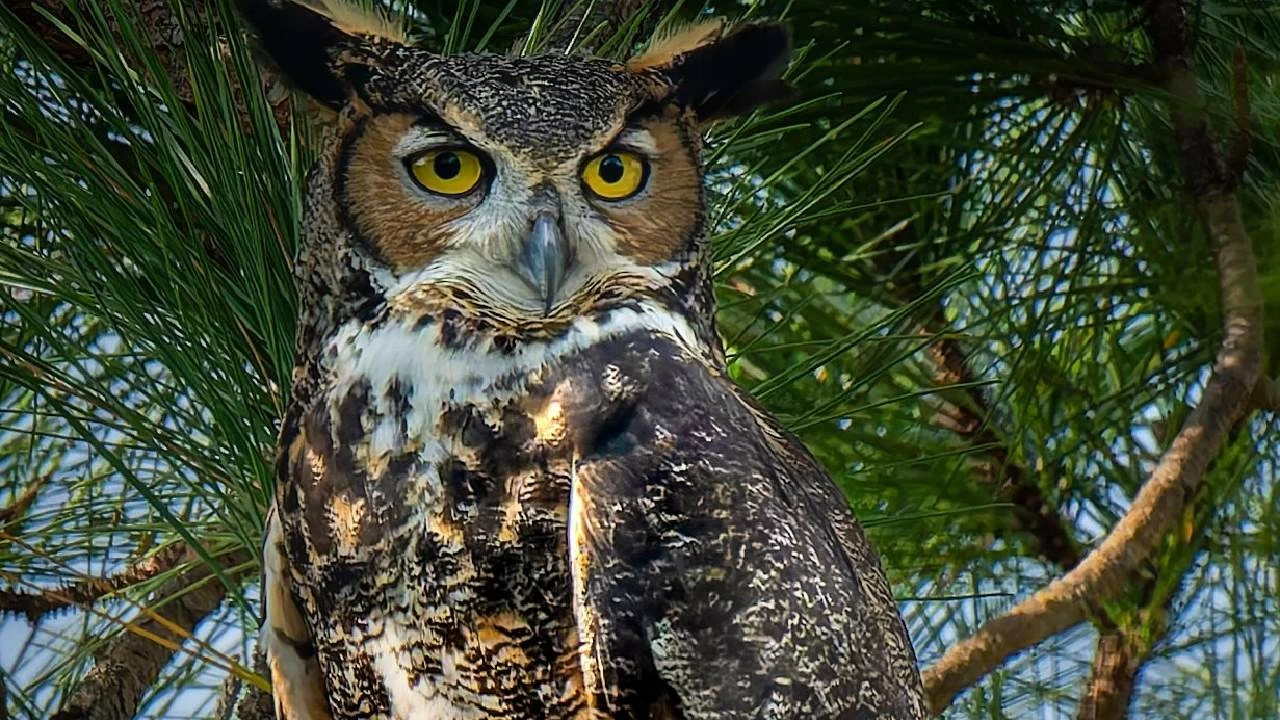


Chennai: The Tamil Nadu Forest Department, in collaboration with the Tamil Nadu Raptor Research Foundation and the Advanced Institute for Wildlife Conservation (AIWC), will conduct the state’s first-ever state-wide owl census on January 31 and February 1, 2026. This landmark survey aims to systematically map and estimate the population of owls and other diurnal and nocturnal birds of prey across more than 50 forest divisions, from the Western and Eastern Ghats to coastal wetlands.
Owl Census in Tamil Nadu 2026: Methodology and Key Objectives



The two-day integrated raptor census is strategically timed, with February 1 being a full moon night—ideal for observing nocturnal species. Survey teams will employ a combination of vehicle and foot patrols during the day, while using the "point count" method at night, where observers stop at designated locations to record birds perched or in flight.
The ambitious project targets surveying 411 square kilometers, roughly one-tenth of Tamil Nadu’s total land area, divided into manageable grid sections. Prior to the census, extensive in-person and online training has been provided to forest officials on standardized surveying techniques.
Why Tamil Nadu’s Owl Population is Crucial for Ecosystem Health
Tamil Nadu is a vital habitat for over 65 species of owls and raptors belonging to orders like Accipitriformes, Falconiformes, and Strigiformes. These birds play an indispensable role in maintaining ecological balance by aiding in pollination, seed dispersal, scavenging, and controlling prey populations.
They are also considered key indicators of environmental health. However, rising threats—including habitat loss, electrocution, poisoning, and illegal wildlife trade—have led to declining populations worldwide, disrupting these essential ecological functions.
State-wide Raptor Survey to Cover Forests, Wetlands, and Farmlands
The census will not be limited to dense forests. Teams will document raptors across all major ecosystems, including agricultural lands, mountains, wetlands, coastal regions, and even urban areas like garbage dumps.
The primary goal is to identify species distribution, locate new habitats, assess threats, and gather robust data to formulate science-based future conservation strategies for these often-overlooked birds.

