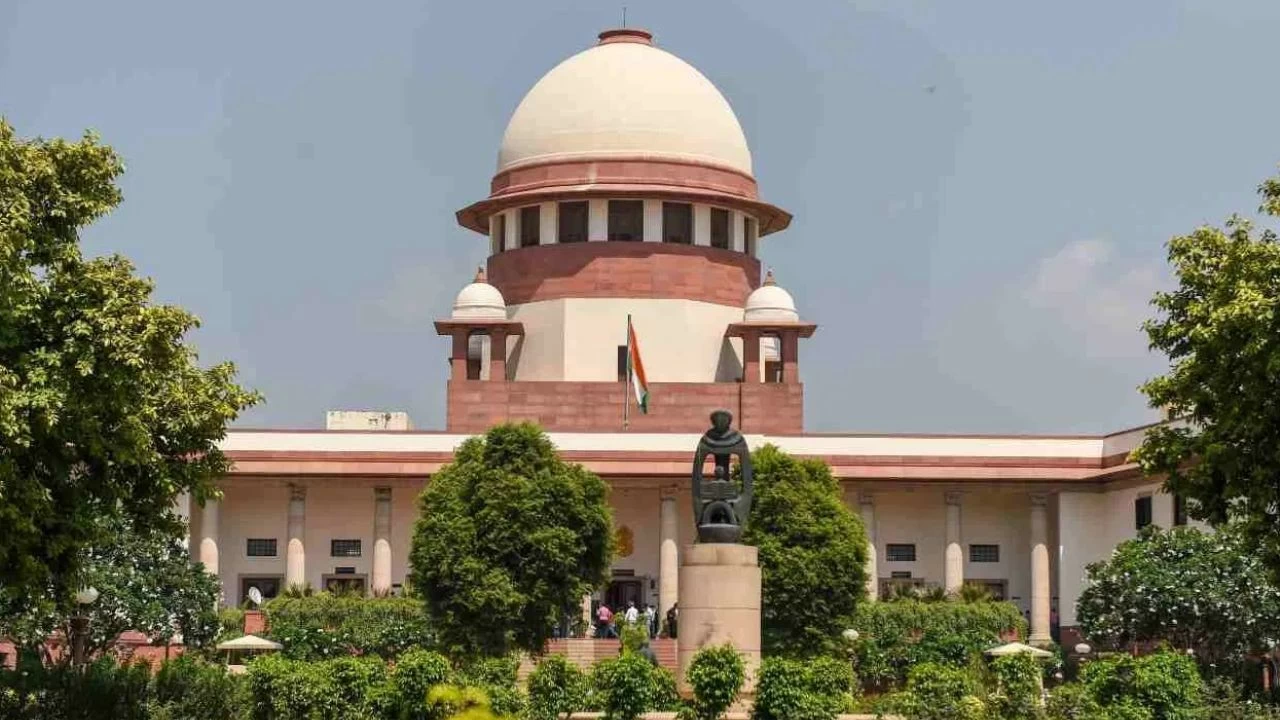
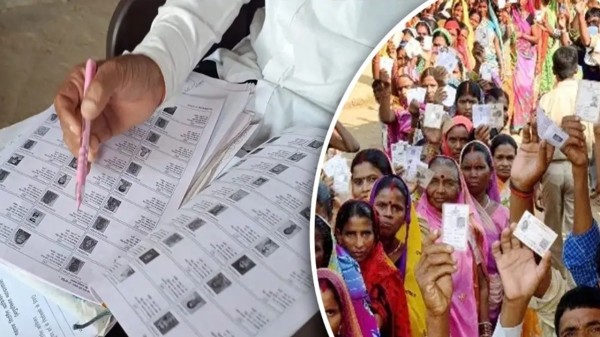
New Delhi: The Supreme Court on Monday directed the Election Commission (EC) to publish the names of voters flagged under the "logical discrepancies" category in the ongoing Special Intensive Revision (SIR) of electoral rolls in West Bengal, noting the "stress" faced by people due to the exercise.
A three-judge bench led by Chief Justice Surya Kant issued the directions while hearing pleas alleging procedural irregularities in the SIR process.
The court said the names of voters served notices under the category must be displayed at gram panchayat bhavans, block offices and ward offices to ensure transparency. The bench also directed that such voters be given more time to submit documents and objections.
EC has issued notices to three categories of voters
The EC has issued notices to three categories of voters, mapped, unmapped and those with logical discrepancies. The mapped category includes voters whose records are linked but require verification, while the unmapped category includes those whose records could not be linked to electoral data. The logical discrepancy category includes cases such as mismatches in parents' names, spelling variations and implausible age gaps between parents and children.
The court noted that more than 1.2 crore names were flagged under the logical discrepancy category by the ERONET portal, triggering widespread concern.
The bench directed that adequate manpower be deployed to handle claims and objections and that receipts be provided for documents submitted. Authorities must also communicate reasons for final decisions on objections. Persons affected have been given 10 days to submit claims and objections.
TMC welcomes court's observations
The court asked the West Bengal government to provide logistical support and directed the state's Director General of Police to ensure there is no law and order problem during the exercise.
During the hearing, senior advocate Kapil Sibal, appearing for Trinamool Congress leader Derek O'Brien, argued that voters were being flagged for minor issues such as spelling differences in surnames and even age gaps involving grandparents. He alleged the process was aimed at excluding genuine voters.
Nobel laureate Amartya Sen is among those flagged under the logical discrepancy category.
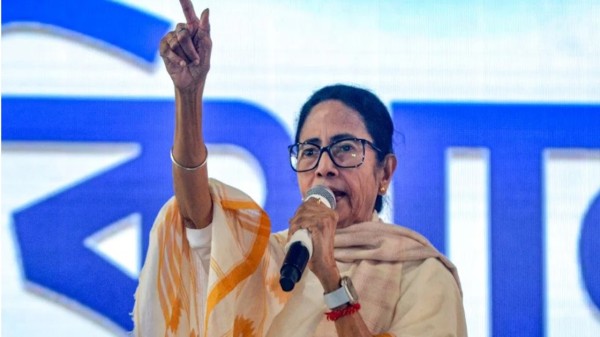
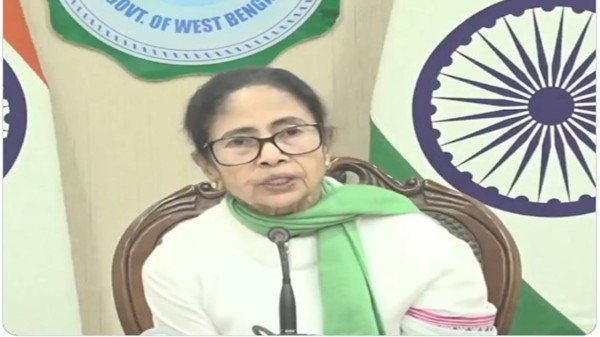
Reacting to the order, West Bengal chief minister Mamata Banerjee said the category was introduced to delete genuine voters. Her nephew and senior Trinamool leader Abhishek Banerjee said the court's ruling had thwarted attempts to strike off nearly one crore names.