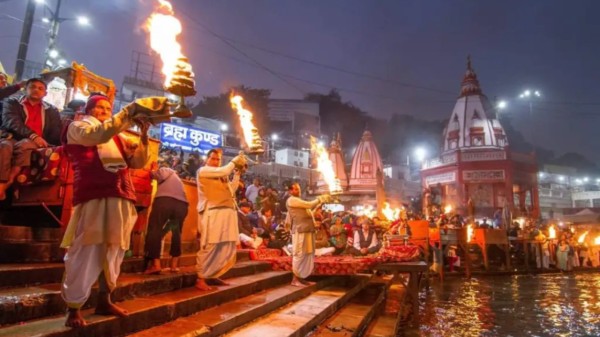
New Delhi: Prayagraj is abuzz with the spiritual energy as many visitors and travellers have been visiting the ongoing Maha Kumbh Mela 2026. This is a 45-day festival that began on Paush Purnima (January 3) and will conclude on Mahashivratri (February 15). Held annually, Magh Mela is the foundation that evolves into the Kumbh every four years and the Mahakumbh every 12th year. Pilgrims arrive primarily for the holy dip at Triveni Sangam, where the Ganga, Yamuna and the mythical Saraswati are believed to meet.
Once rituals and bathing schedules are complete, Prayagraj reveals a different side where you can feel much calmer if you visit its gardens, monuments and sacred spaces. These spots reflect mythology, Mughal history and the freedom movement. If you are in Prayagraj, here is the city guide to visit top places of interest.
What to see in Prayagraj during Magh Mela 2026
1. Allahabad Fort
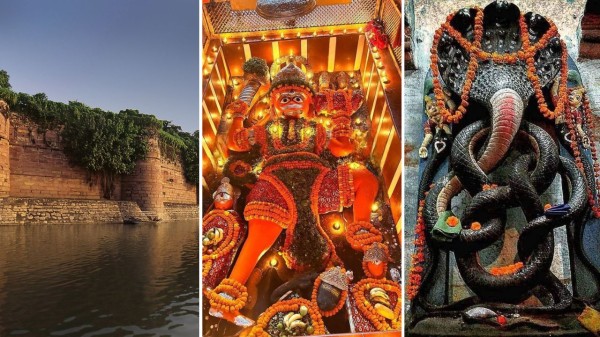
Built by Emperor Akbar in 1583, the Allahabad Fort stands on the banks of the Yamuna and is considered one of the largest forts constructed by the Mughal ruler. Today, only limited sections are accessible due to army control, but the open areas hold immense historical value.
2. Akshaya Vat
Akshaya Vat, or the immortal Banyan tree, is also a great attraction for the spiritually inclined people. Within this underground temple, inside the fort, lies the Akshaya Vat. Believed to have been visited by Lord Rama, the temple was also seen by the famous Chinese traveller and writer Hiuen Tsang during his visit to this place.
3. Reclining Hanuman Temple
Located close to the Sangam, the Lete Hue Hanuman Ji Temple is among Prayagraj’s most distinctive shrines. The self-manifested idol of Lord Hanuman rests in a reclining posture, a rare depiction in Hindu temples.
4. Nag Vasuki Temple
This temple is located on the north of Sangam in the northern corner of Daraganj on the Ganga bank. It has statues of Nag Raj, Ganesh, Parvati and a reclining statue of Bhishma Pitamah. There is a Shiva temple on the premises. A big fair is held on Nag Panchami day.
5. Alopi Devi Temple
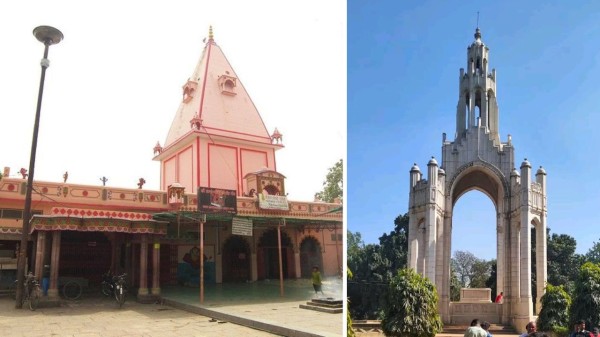
This unique Shakti Peeth houses no idol, only a cradle. Legends say this is where Sati’s right hand fell and disappeared, giving the deity the name Alopi Devi. The temple becomes especially significant during major religious gatherings.
6. Chandra Shekhar Azad Park
Spread across 133 acres in Civil Lines, this park marks the site where revolutionary Chandra Shekhar Azad made his final stand against British forces in 1931. The space offers both historical weight and calm surroundings.
7. Anand Bhavan
Once home to the Nehru family, Anand Bhavan is now a museum documenting India’s freedom struggle through photographs, letters and artefacts. Nearby Swaraj Bhavan served as an important Congress headquarters during the independence movement.
8. Samudra Koop
Situated on a big, high mound on the bank of the Ganga, it is about 15 feet in diametre and is built of big stones. The entire premises are surrounded by a stone wall. It is believed to have been built by King Samudragupta and named after him. It is also said that the water level below the well is equal to the sea level.
A visit to Prayagraj during Magh Mela 2026 offers more than ritual and devotion. The city is full of destinations where faith, history and quiet reflection coexist, making the journey spiritually fulfilling and culturally enriching.