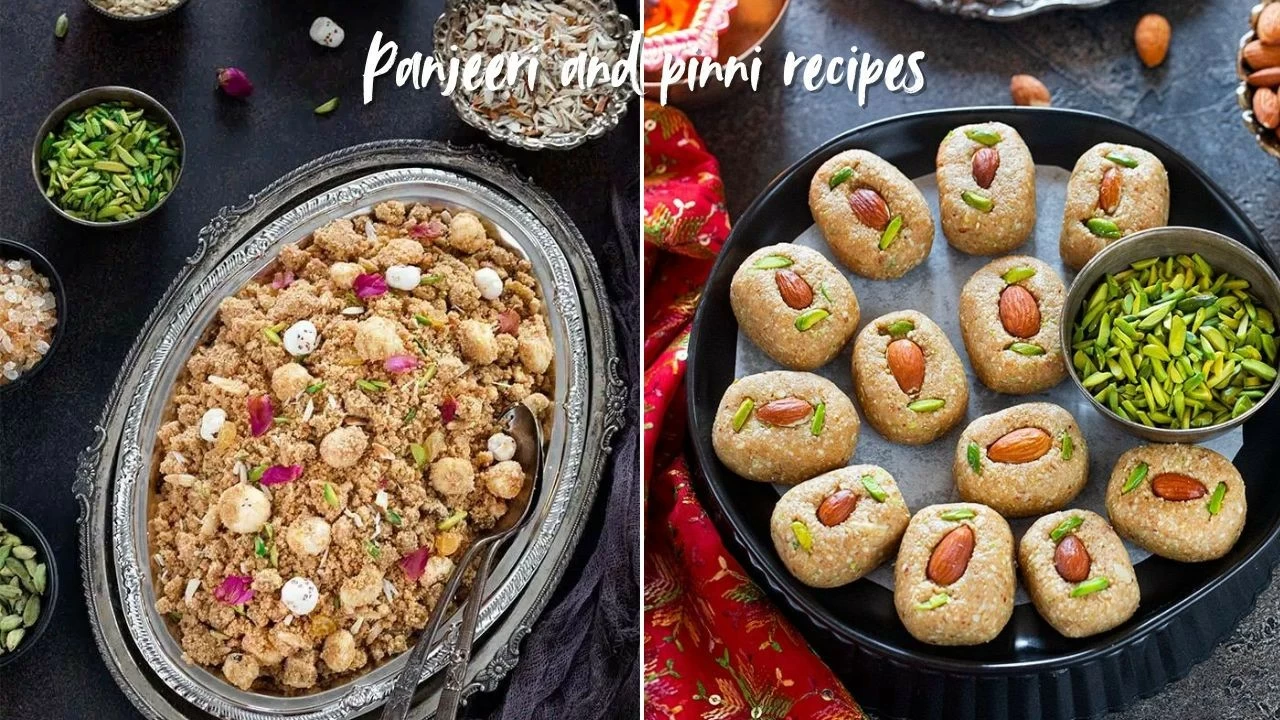
New Delhi: Punjabi winters demand food that does more than fill the stomach. The cold seeps in slowly, draining energy and stiffening joints, and meals are expected to restore warmth and stamina. Long before modern nutrition trends, Punjabi households relied on pinni and panjeeri to get through the season. These rich preparations, heavy with ghee, grains and nuts, were treated as daily nourishment rather than indulgence. Both recipes grew inside farming homes, shaped by long workdays, harsh weather and physical labour.
Panjeeri, rooted in Ayurvedic thinking, became closely tied to postpartum care and recovery, while pinni evolved as a practical winter sweet that could be stored and eaten in small portions. Made in large batches and kept ready in steel containers, these foods carried reassurance, strength and tradition through the cold months.
Panjeeri recipe
Ingredients for panjeeri
Whole wheat flour: 1 cup
Desi ghee: ¾ cup
Powdered sugar or gond sugar: ¾ cup
Edible gum (gond): 2 tablespoons
Chopped almonds: 2 tablespoons
Chopped cashews: 2 tablespoons
Melon seeds: 1 tablespoon
Crushed fox nuts: ½ cup
Dry ginger powder: ½ teaspoon
Cardamom powder: ½ teaspoon
How to prepare panjeeri
Heat 2 tablespoons of ghee in a pan and fry the gond until puffed.
Set aside, cool and crush lightly.
Roast makhana or fox nuts in the same pan until crisp and crush roughly.
Add remaining ghee and roast wheat flour on low heat, stirring constantly, until golden and fragrant.
Mix in gond, nuts, seeds, makhana, ginger and cardamom.
Turn off the heat, cool slightly, then fold in sugar gently.
Store airtight and consume 1–2 tablespoons daily.
Pinni recipe
Ingredients for pinni
Whole wheat flour: 1½ cups
Desi ghee: 1 cup
Powdered jaggery or sugar: ¾ cup
Chopped almonds: 3 tablespoons
Chopped cashews: 3 tablespoons
Raisins: 2 tablespoons
Edible gum (gond): 2 tablespoons
Melon seeds: 1 tablespoon
Cardamom powder: ½ teaspoon
How to prepare pinni
Fry gond in 2 tablespoons of ghee until puffed, then crush.
Lightly roast nuts and raisins and keep aside.
In a heavy pan, roast wheat flour in remaining ghee on low heat until deep golden.
Add gond, nuts, seeds and cardamom, mixing evenly.
Switch off the heat, cool slightly, then add powdered jaggery or sugar.
Shape into small round pinnis while warm and store airtight.
Pinni and panjeeri continue to earn trust not through trend but through experience. Eaten slowly and sparingly, they offer warmth, strength and a quiet reminder of how winter food was once meant to care for the body, not overwhelm it.