Sign In
By signing in or creating an account, you agree with Associated Broadcasting Company's Terms & Conditions and Privacy Policy.
By signing in or creating an account, you agree with Associated Broadcasting Company's Terms & Conditions and Privacy Policy.
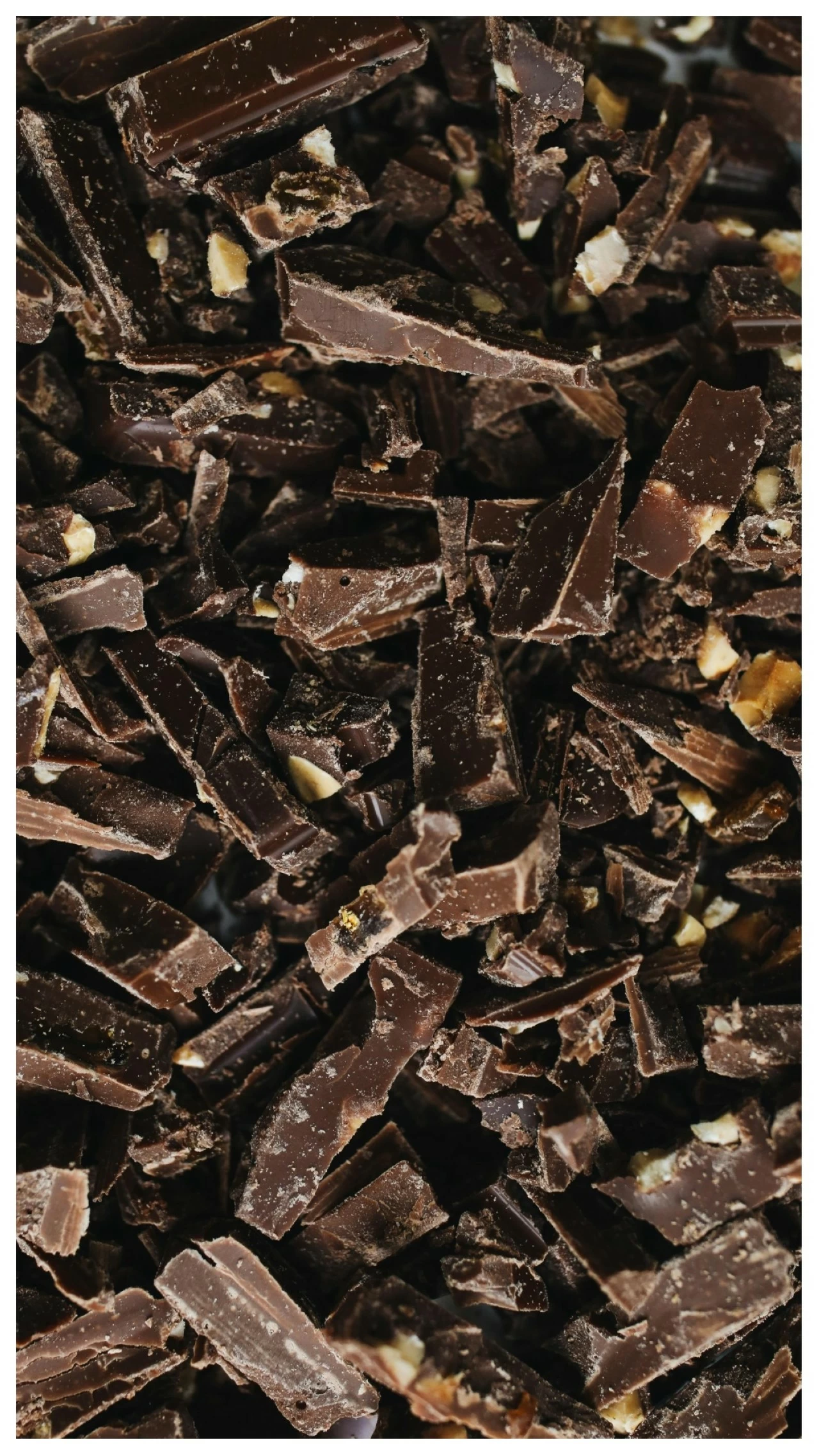

New Delhi: Researchers are now suggesting that something as ordinary as a piece of dark chocolate may have a surprising connection to how quickly we age. The idea comes from a study that looked at around 1,700 people and found that those with higher levels of theobromine — a naturally occurring compound in cocoa — tended to show signs of being biologically younger than their actual age. Not younger in the sense of looking different, but younger in the way their cells seemed to function.
Theobromine is a bitter chemical, the same one that gives dark chocolate its familiar edge. Scientists have long known it behaves as an antioxidant, which means it helps the body manage inflammation and the constant wear and tear on our cells. According to the team behind the new research, this might be why people with more of it in their system appeared to have less DNA damage, something that becomes more common as we grow older. Professor Jordana Bell from King’s College London, who worked on the study, emphasised that this isn’t an invitation to start stocking up on chocolate bars. Instead, she says the findings offer a small but valuable clue about how everyday foods might influence long-term health.
Chocolate is hardly a niche treat. A British Heart Foundation poll from a few years ago estimated that the average person in the UK eats thousands of chocolate bars over their lifetime. Most of these, of course, are the milkier, sweeter varieties packed with sugar and add-ins. Dark chocolate, with its higher cocoa content, usually sits in the “healthier” category because it contains fewer extras and a lot more of the natural compounds found in cocoa beans. Earlier research has already linked it to better cholesterol readings and improved blood pressure, which explains why it often appears in discussions about heart health.
The new study, published in the journal Aging, goes a step further by looking at how theobromine might be protecting our DNA from the gradual decline that comes with time. One of the study’s co-authors, Dr Ramy Saad, said the research opens up questions that scientists still need to explore — such as how diet and genetics interact and whether certain foods might help keep specific ageing processes in check.
There has also been growing interest in how dark chocolate may relate to diabetes risk. A long-running project out of Harvard University examined the diets and health histories of almost 200,000 people across three decades. They found that those who had small portions of dark chocolate regularly — just a few squares, several days a week — had a noticeably lower chance of developing type 2 diabetes. People who preferred milk chocolate did not see that advantage and often experienced weight gain instead, which can raise the likelihood of diabetes.
Researchers believe cocoa’s antioxidant compounds help the body use sugar more effectively, reducing some of the strain on the system. And with diabetes now affecting millions in the UK alone, anything that helps slow its development attracts scientific attention.