Sign In
By signing in or creating an account, you agree with Associated Broadcasting Company's Terms & Conditions and Privacy Policy.
By signing in or creating an account, you agree with Associated Broadcasting Company's Terms & Conditions and Privacy Policy.
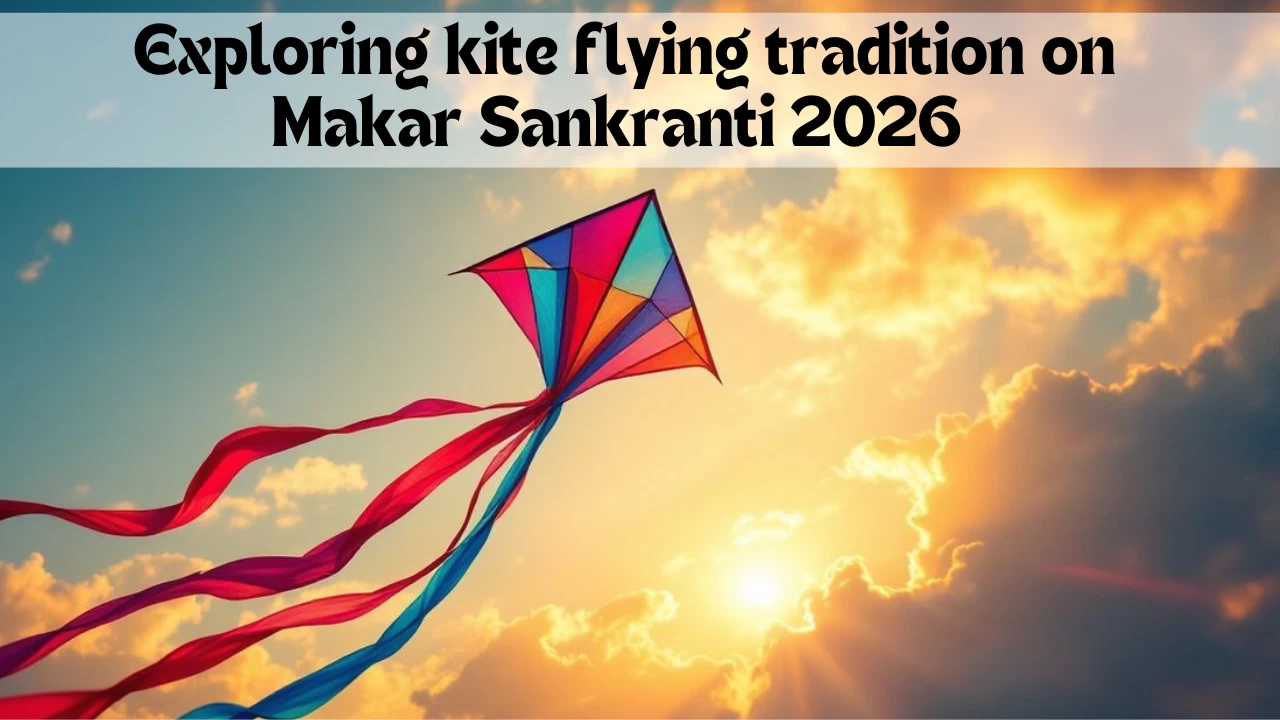


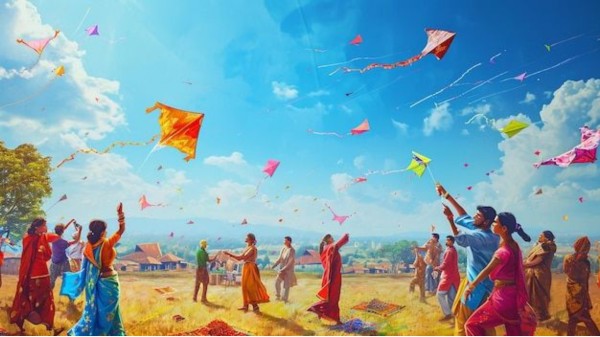
New Delhi: Makar Sankranti 2026 beckons with vibrant skies filled with kites, as families across India gear up for this harvest festival marking the Sun's northward journey. Ever wondered about the Makar Sankranti kite flying tradition or the thrill of Patang Utsav? From rooftop battles shouting "Kai Po Che!" to savouring tilgul sweets, it's time to embrace Uttarayan's joy—perfect for soaking in vitamin D and welcoming longer days. Dive into the story behind flying kites on Makar Sankranti and plan your celebrations.
Picture rooftops buzzing with laughter, colourful patangs soaring high against the winter sun—does this spark your festive spirit? Makar Sankranti 2026 promises kite festival excitement in Gujarat, Rajasthan, and beyond, blending ancient rituals with competitive fun. Ready to unfurl your kite and join the aerial dance? Let's explore the magic!

Makar Sankranti 2026 falls on Wednesday, 14 January, coinciding with Uttarayan when the Sun transits into Capricorn at 3:13 PM IST for New Delhi. This auspicious Punya Kaal spans from 2:49 PM to 5:45 PM, with Maha Punya Kaal from 2:49 PM to 3:42 PM—ideal for holy baths, tilgul offerings, and kite flying.
Devotees perform Surya puja, donate sesame-jaggery, and launch patangs during this muhurat for prosperity. Regional variations like Pongal in Tamil Nadu align with these timings.
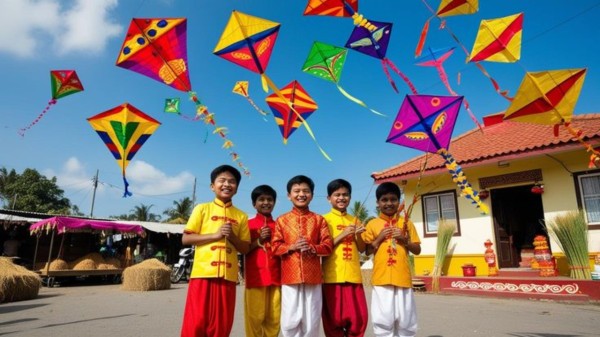
Kites symbolise the soul's upward journey to the heavens, mirroring the Sun god Surya's northward transit (Uttarayana)—a cosmic shift from darkness to light. Ancient lore suggests communities flew patangs to "wake" slumbering deities with their flutter, inviting divine blessings for bountiful harvests. Others link it to ridding evil spirits, as soaring kites carried away misfortunes on winter winds.
Mughal influence and evolution
Introduced by Mughal rulers as sport, kite flying merged with the festival during harvest celebrations. In Gujarat, it became competitive "manja" warfare—glass-coated strings slashing rivals mid-air amid cheers of "Kai Po Che!" (meaning "I have cut it!'). This rooftop frenzy fostered community bonds, evolving into massive events like Ahmedabad's International Kite Festival.
Devotion to Surya God
Kite flying symbolises unwavering devotion to Surya Dev, the Sun God, during Uttarayan—his northward journey bringing light and prosperity after winter's gloom. As kites soar skyward like prayers, they mimic the Sun's ascent, invoking blessings for bountiful harvests and health. Families offer tilgul (sesame-jaggery) while launching patangs, believing freed strings carry souls to heaven, cleansing karmic debts in this sacred harvest ritual rooted in Vedic reverence.
Astronomical significance
Astronomically, Makar Sankranti marks the Sun's transit from Sagittarius (Dhanu) to Capricorn (Makar) around 14 January, heralding Dakshinayan's end and Uttarayan's dawn—days lengthen as the Sun climbs north. Kites mirror this celestial shift, their upward flight celebrating tilted Earth's orbit that boosts sunlight hours. In Gujarat's Patang Utsav, this alignment turns rooftops into observatories of renewal, blending ancient astronomy with festive joy.
Scientific and health angle
Scientifically, January kite flying exposes revellers to vital vitamin D from the Sun's direct rays post-monsoon haze, combating winter deficiencies and boosting immunity against colds. Rooftop vantage aids deep breathing of fresh air, while the activity burns calories amid cheers. Glass-coated manja's gleam harnesses sunlight's reflection, and cut kites symbolise releasing negativity— a clever fusion of physics, biology, and psychology for holistic well-being.
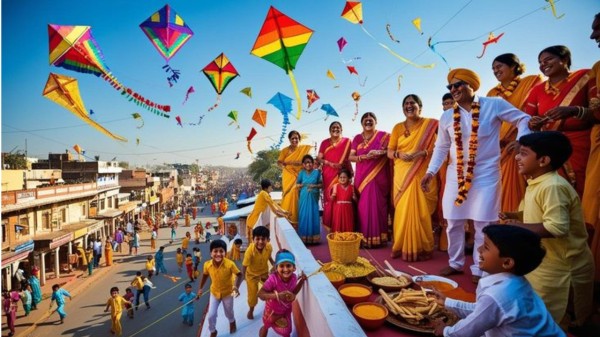
Embrace Makar Sankranti 2026's kite-flying legacy and let the patangs soar.