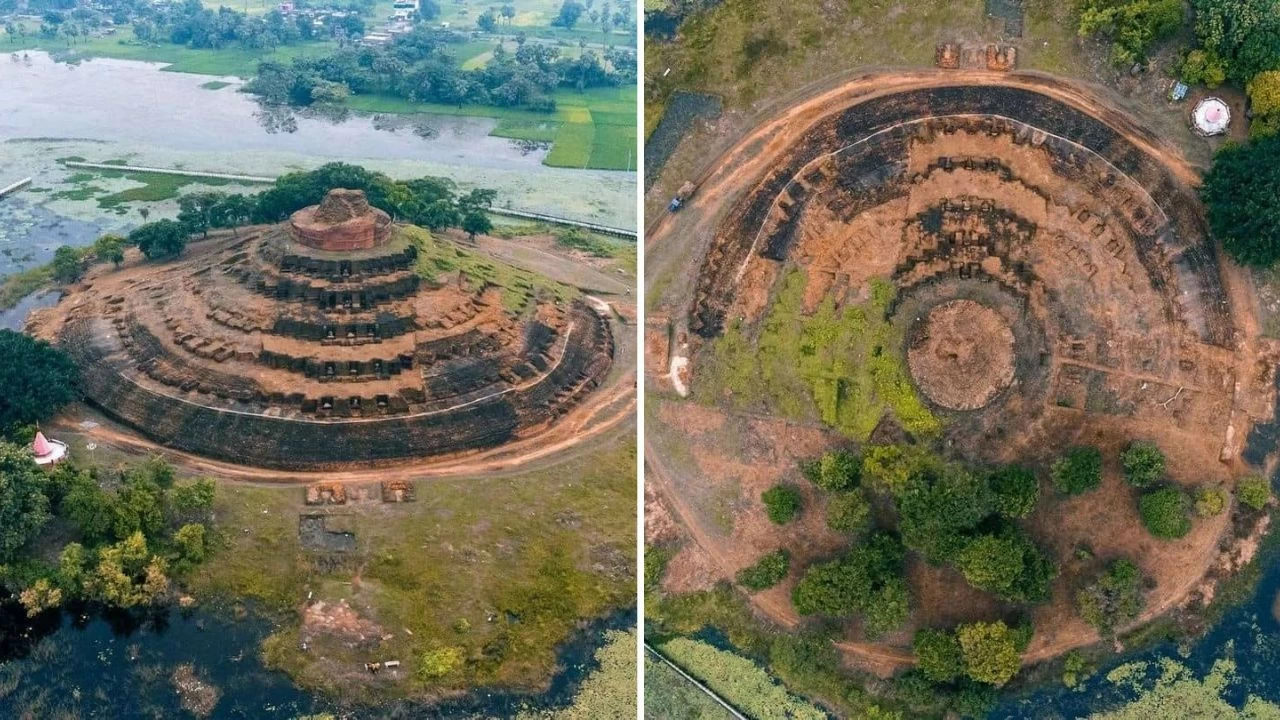
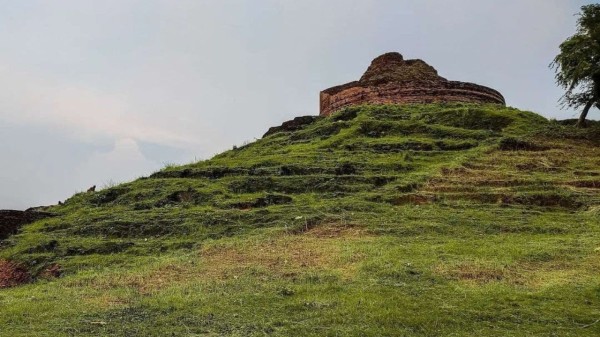
New Delhi: The Kesariya Stupa in Bihar stands as one of India’s most imposing Buddhist monuments, believed to be the tallest and largest stupa in the world by volume. Located in Kesariya town of East Champaran district, around 110 kilometres north of Patna, the site dates back to the 3rd century BCE. Its sheer scale, layered structure, and spiritual legacy make it a landmark that quietly narrates India’s ancient Buddhist history through time, faith, architecture, memory, devotion, continuity, and regional identity today.
History mentions that the stupa was commissioned by Emperor Ashoka during the Maurya period to mark Lord Buddha’s final act of donation before attaining Nirvana. Archaeological excavations later revealed its religious depth, artistic richness, and continued relevance as a site of pilgrimage, history, and cultural preservation under the Archaeological Survey of India, protecting one of India’s most significant ancient sites. Let’s explore more.
Kesariya Stupa: History, archaeology, and spiritual importance
1. Mauryan roots and Ashokan legacy
The stupa is believed to have been built during the Maurya period under Emperor Ashoka’s patronage. It commemorates the moment when Lord Buddha donated his alms bowl to villagers before attaining Nirvana. This association gives the site deep symbolic value within Buddhist traditions.
2. Archaeological discoveries and layered structure
Excavations conducted by the Archaeological Survey of India in 1958 revealed remarkable artefacts across multiple layers. These included soil-and-pebble Buddha figurines in various postures, notably the Bhumisparsha Mudra, along with arrowheads, copper objects, and Islamic coins. The discoveries highlighted the site’s long period of use and cultural overlap.
3. Pradakshina path and religious practice
Terraced levels of the stupa feature a sacred pradakshina path, allowing devotees to perform circumambulation. This ritual pathway reflects ancient Buddhist practices and reinforces the stupa’s role as an active religious space rather than a static monument.
4. Rediscovery and scale of Kesariya stupa
Though known locally for centuries, Kesariya Stupa remained largely forgotten as much of it lay unexcavated. In 1998, systematic archaeological work revealed its full grandeur. Standing about 104 feet tall with a circumference of nearly 400 feet, the stupa’s scale is striking even today.
5. Architectural uniqueness
The stupa’s circular form, brick-and-stone dome, and multiple niches once housing Buddha statues and relics make it architecturally distinctive. Its design reflects early Buddhist construction techniques adapted over time.
Places to visit near Kesariya Stupa
1. Local sites around Kesariya
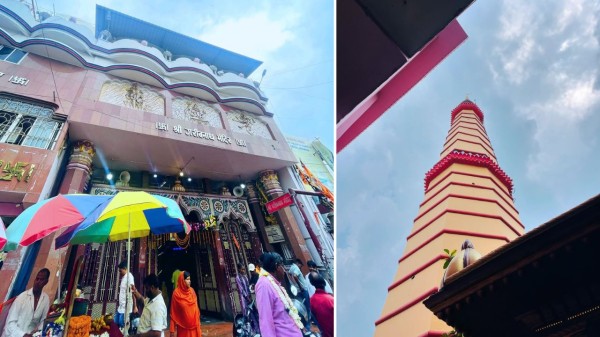
Lord Buddha Point is closely associated with Buddha’s presence in the region. Garibnath Temple is a prominent Hindu shrine nearby. Mahanth Palace and Patel’s Haveli offer insight into local heritage, while Dumaria Ghat and Pokhra showcase everyday life and natural surroundings.
2. Major Buddhist destinations within reach
Bodh Gaya, over 200 kilometres away, houses the Mahabodhi Temple where Buddha attained enlightenment. Nalanda, another UNESCO-listed site, features the ruins of the ancient university. Rajgir offers Vulture’s Peak, Shanti Stupa, and historic remains, while nearby Vaishali holds strong links to Buddha’s teachings and ancient republican rule.
Popular food to eat near Kesariya Stupa
1. Rajasthani-inspired dishes
Local eateries often serve Dal Bati Churma, Lal Maas, where available, Gulaab Choorma, Kachumbar salad, and Sangri ka Samosa.
2. Snacks and appetisers
Jalebi Rasmalai Sandwich, Moong Dal Bada, Kalmi Bada, paneer or mushroom tikkas, and dahi ke sholay are common finds.
3. North Indian and Indo-Chinese options
Dal Panchmel, Matar Paneer, Govind Gatta, chilli paneer, and fried rice cater to varied tastes.
4. Drinks and desserts
Masala chaas offers relief in warm weather, while Makai Halwa remains a popular sweet choice.
Kesariya Stupa stands as a rare convergence of scale, spirituality, and history. More than an archaeological site, it remains a living symbol of Buddhism’s journey across centuries, inviting travellers to reflect, explore, and connect with India’s ancient cultural roots.