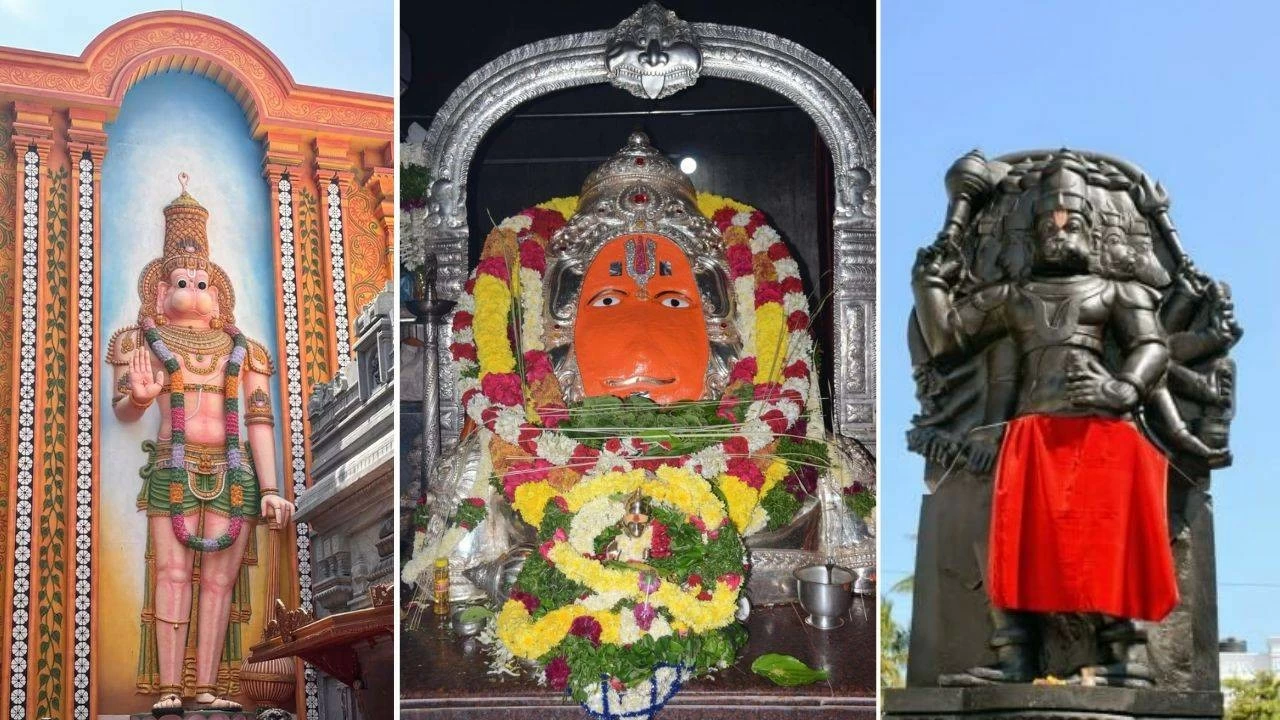
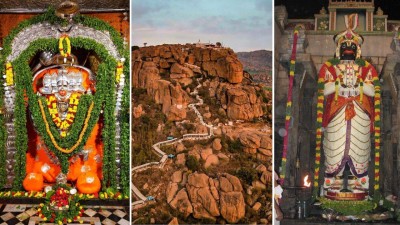
New Delhi: Kali Chaudas, also known as Narakasur Chaturdashi, is observed a day before Diwali. People believe that negative energies are at their peak on this day. Hence, in a few parts of India, particularly in Gujarat, devotees perform Hanuman Puja on this night, seeking protection and strength. In 2025, Hanuman Puja or Deepavali Hanuman Puja falls on Sunday, October 19, coinciding with Kali Chaudas.
On this night, many devotees illuminate their houses and temples with diyas and lamps, creating a protective and auspicious atmosphere. Devotees believe that worshipping Lord Hanuman at this time not only safeguards them from harm but also instils courage, confidence, and mental strength ahead of the festive celebrations. Let's explore key timings and other important aspects.
Key timings for 2025
Hanuman Puja Muhurat: 11:41 pm to 12:31 am, October 20
Chaturdashi Tithi: Begins 1:51 pm, October 19 and ends 3:44 pm, October 20
The puja is performed during Maha Nishita Kaal, a spiritually charged time believed to protect devotees from dark forces.
Significance of Hanuman Puja on Kali Chaudas
Traditionally, Kali Chaudas is seen as a night when evil influences are strongest. Lord Hanuman, known as the destroyer of fear and negativity, is revered to guard against such forces. Called Sankat Mochan, the remover of troubles, Hanuman is believed to bless devotees with courage, confidence, and peace of mind. People light diyas, recite the Hanuman Chalisa, and offer sindoor, oil, and laddoos, seeking inner strength and safety.
Connection with Diwali
Hanuman Puja is also connected to Lord Rama’s return to Ayodhya after defeating Lanka King Ravana. As per legend, Lord Rama, moved by Hanuman’s devotion, blessed him to be worshipped before Rama himself. Hence, on Diwali Eve, many devotees perform Hanuman Puja before beginning Diwali celebrations, embodying preparation for divine light and victory over darkness.
Hanuman Puja rituals
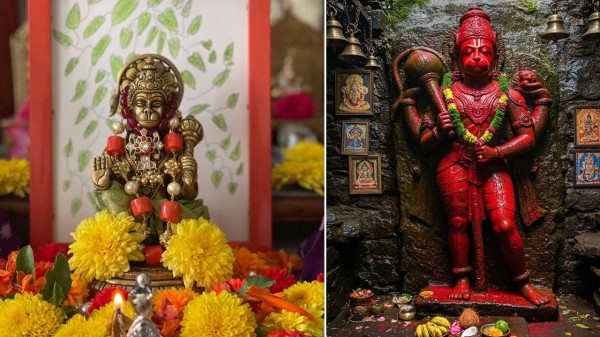
Devotees commence the rituals by taking a holy bath and preparing an altar with Hanuman’s idol facing east. Offerings include red flowers, sindoor, sesame oil, and laddoos. They chant the Hanuman Chalisa, Bajrang Baan, or Hanuman Ashtak, and light a mustard oil lamp to dispel negativity. Meditation on Hanuman’s virtues, such as faith, courage, devotion, and discipline, is a crucial part of the ritual.
Regional observances
In Ayodhya, Hanuman Jayanti is celebrated at the Hanumangarhi Temple on this day, marking Hanuman’s protective presence during Lord Rama’s homecoming. While most regions observe Hanuman Jayanti in April, devotees in Gujarat and parts of South India celebrate it on Kali Chaudas to honour Hanuman’s role as a divine protector.