Sign In
By signing in or creating an account, you agree with Associated Broadcasting Company's Terms & Conditions and Privacy Policy.
By signing in or creating an account, you agree with Associated Broadcasting Company's Terms & Conditions and Privacy Policy.
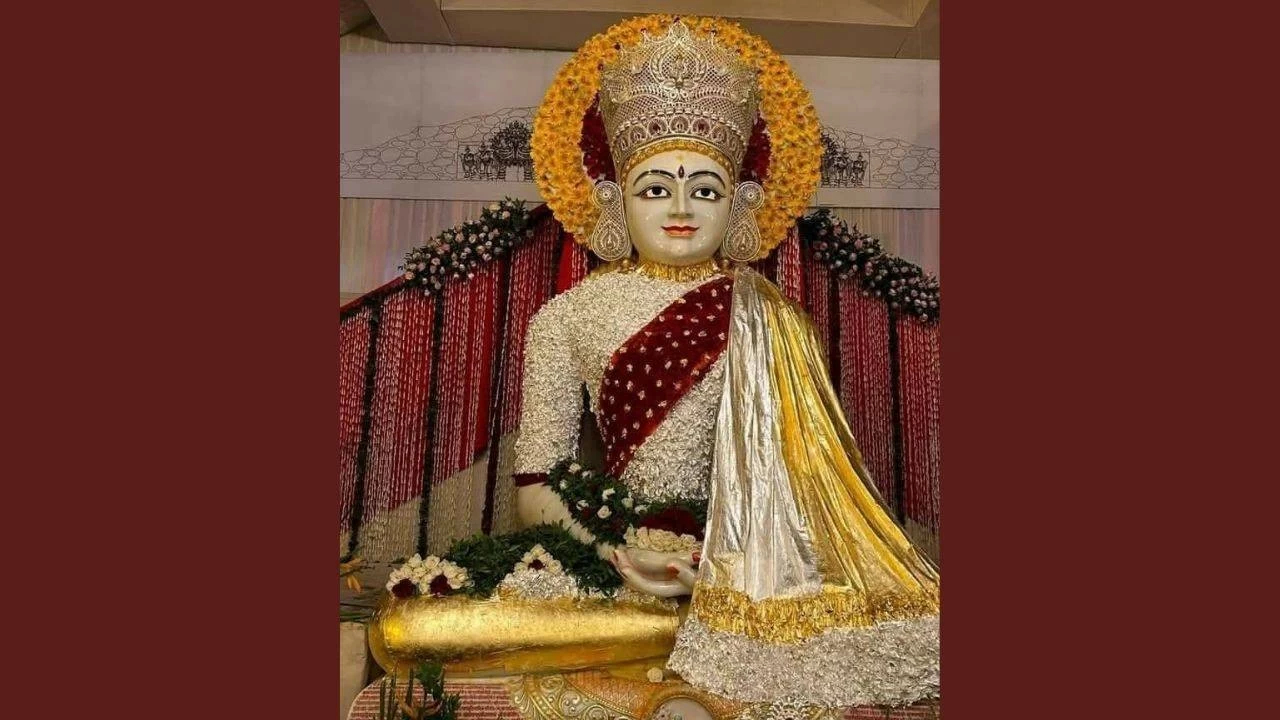

New Delhi: Paryushan 2025, one of the Jain community’s sacred festivals, is regarded as a time for introspection, forgiveness, and inner cleansing. To be celebrated from August 21 to 28, this festival encourages following the three main teachings of Jainism – truth, penance, and non-violence. During Jain Paryushan, devotees take a moment to purify their minds by keeping them calm and pure, irrespective of whether they follow the Shwetambar or Digambar traditions. Jains consider every soul to be pure at its core, but it gets covered with karma.
Like dust settles on a mirror, karma, as tiny particles, sticks to the soul because of our actions, words, and thoughts. The soul gathers more dust if we are filled with more anger, greed, pride, or lies. So, the celebration of Paryushan is a way to wipe some of the dust away. People strive to cleanse their souls through fasting, prayer, meditation, and asking for forgiveness. It is like a spiritual detox of the inner self.
Paryushan means coming together or staying close to the soul or settling down. Many centuries ago, Jain disciples travelled from village to village on foot. During the monsoon, they would stop and stay in one place to reflect, teach and live peacefully. Since then, gradually these practices became the Paryushan festival. So, Paryushan is more than a religious gathering. Considered a spiritual retreat, this festival inspires people to reconnect with their inner values and disengage from worldly routines. The crucial elements are forgiveness, renunciation, and self-purification.
Shwetambar Paryushan 2025 will begin on Thursday, August 21, 2025, and conclude with Samvatsari on Thursday, August 28, 2025.
Digambar Das Lakshan Parv 2025 will start one day later and will be observed for ten days, focusing on ten essential dharmas, such as truth, humility, and forgiveness.
1. Pratikraman
A form of self-contemplation and repentance in which Jains examine their words, works, and ideas. It involves pleading with both the divine and other people for forgiveness.
2. Sacred texts and prayers
Devotees read from Jain texts, such as the Agamas, to strengthen their understanding of spiritual teachings. One crucial activity is reciting prayers and reflecting on Lord Mahavir’s merits.
3. Fasting
Many Jain devotees engage in fasting, whether partial or complete.
4. Meditation and mantras
The time is devoted to meditation techniques that focus on self-reflection, inner calmness, and mindfulness. They can centre their energies on mental purification by using mantras, which frequently invoke Lord Mahavir’s teachings.
Mahavir Jayanti is one of the most important and spiritually significant days of Paryushan. It marks the birth of Lord Mahavir, the 24th Tirthankara of Jainism, whose teachings about non-violence, truth, and compassion form the foundation of Jain philosophy.