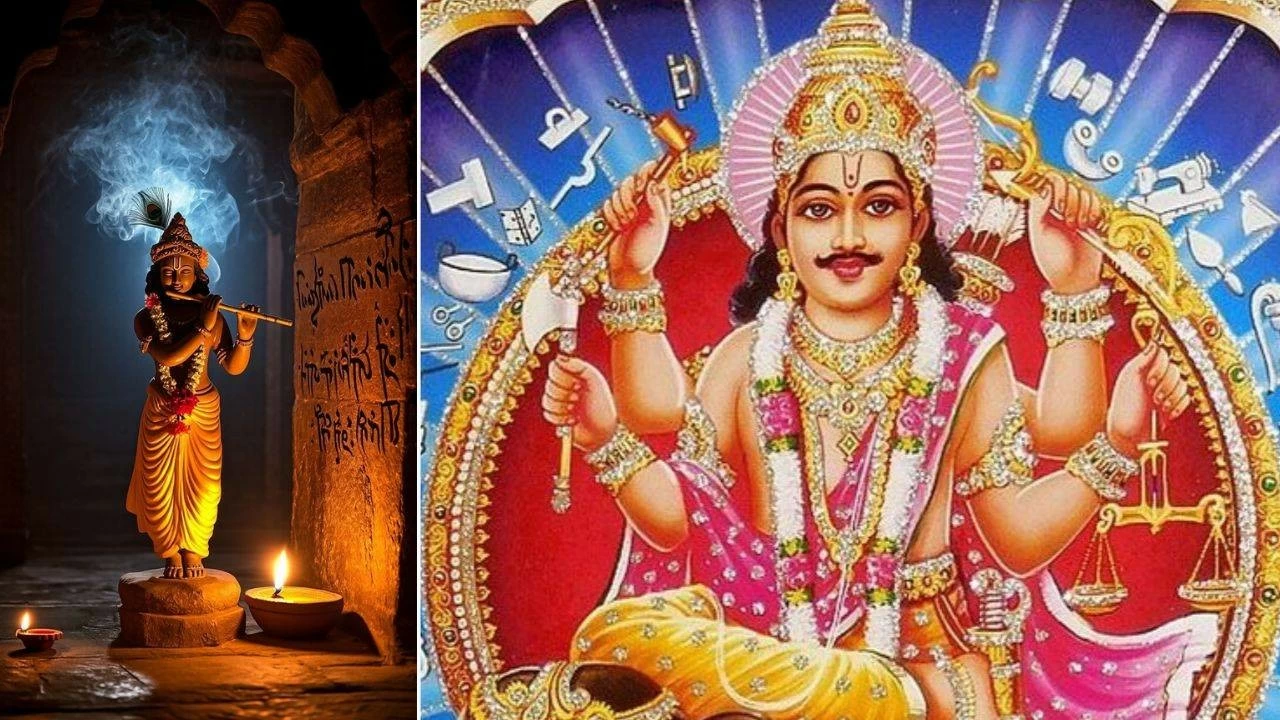
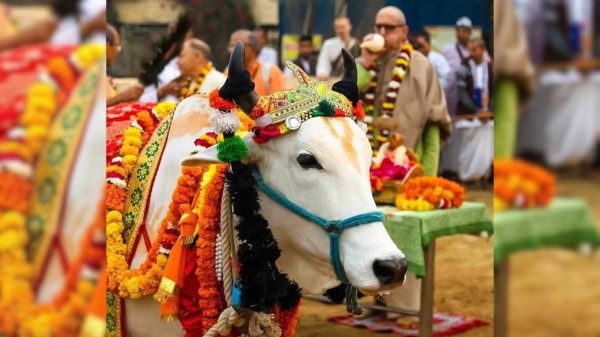
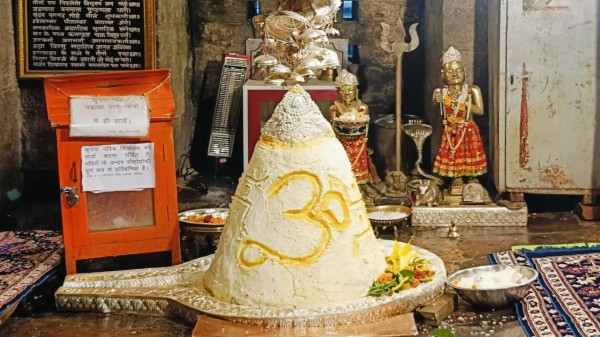
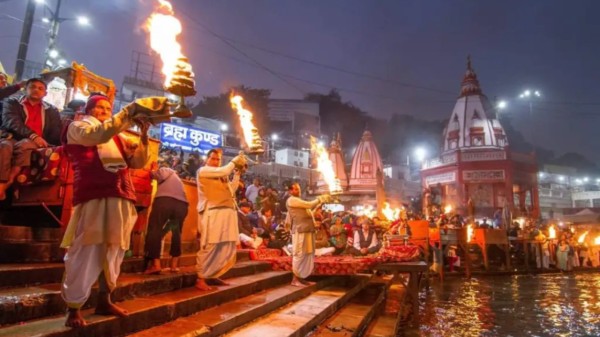
New Delhi: Govardhan Puja, celebrated a day after Diwali, involves preparing a large mountain of food or Annakut to honour Lord Krishna lifting the Govardhan Hill. As per legend, Krishna lifted the hill with his finger for seven days to protect the villagers of Vrindavan from a terrible rainstorm sent by the angry god Indra. Additionally, devotees worship cows on this day to bring happiness and prosperity to the home.
However, in a few parts of North India, Lord Vishwakarma is also revered on the day of Govardhan Puja. Craftsmen and labourers pray to Vishwakarma with devotion. They light clay lamps or diyas seeking blessings for the development and growth of one’s home and business. Scroll down to know more about the reasons for celebrating the two religious events on the same day.
Why is Lord Vishwakarma worshipped?
Vishwakarma is revered as the divine craftsman who was born from the churning of the ocean. Although devotees worship Lord Vishwakarma during his birth anniversary on September 17, they worship him on the day of Govardhan Puja too. Lord Vishwakarma is said to be the father of mechanical science and architecture. People such as artisans, craftsmen, furniture makers, mechanics and people working in factories clean their machines, tools, and worship them along with Lord Vishwakarma with devotion.
Both festivals recognise the significance of the earth and the efforts of people who work with it, with Govardhan Puja celebrating the earth’s bounty and Vishwakarma Puja celebrating the tools and skills used to work with it.
Which place worship Vishwakarma on Govardhan Puja
Observing Govardhan Puja and Vishwakarma Puja on the same day is considered auspicious. People in North India, particularly in places like the tricity region (Chandigarh and nearby areas in Haryana and Punjab), celebrate both spiritual events on the same day.
Celebration of Govardhan Puja and Vishwakarma Puja on the same day creates a rare blend of devotion and craftsmanship. While one honours Lord Krishna’s protection and nature’s bounty, the other celebrates the divine architect’s creative spirit.