Sign In
By signing in or creating an account, you agree with Associated Broadcasting Company's Terms & Conditions and Privacy Policy.
By signing in or creating an account, you agree with Associated Broadcasting Company's Terms & Conditions and Privacy Policy.
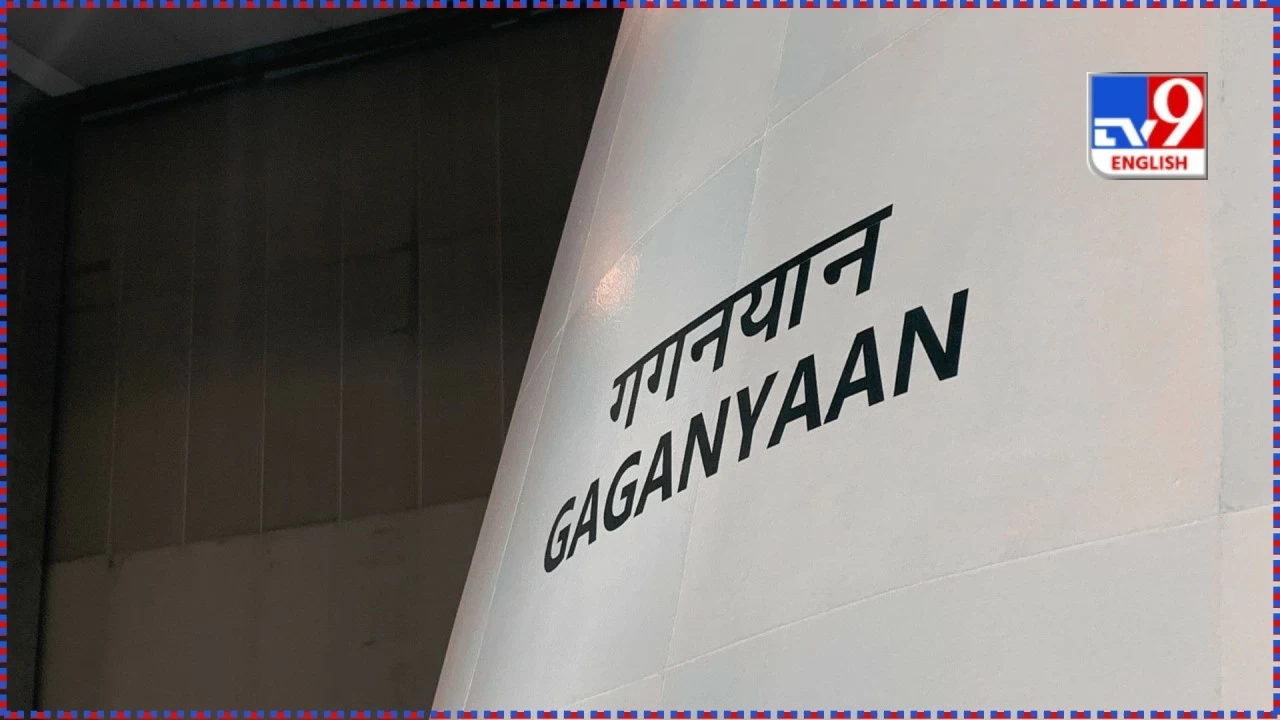


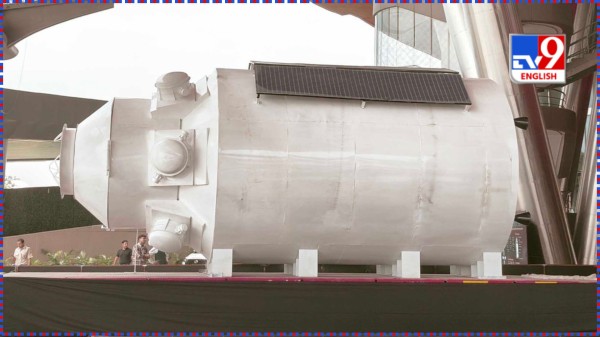
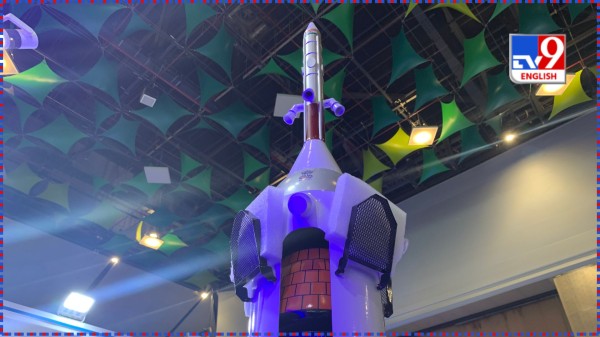
ISRO is embarking on the ambitious Gaganyaan Programme to develop the space transportation architecture necessary for safely transporting humans from Earth to Earth orbit and back. ISRO is increasing the capacity of its mightiest rocket, the Launch Vehicle Mark 3 (LVM3), for a human-rated version. The spaceship is the Gaganyaan Crew Module which can accommodate a maximum of three passengers at a time, but the crewed flights are planned with one or two passengers on board at a time. Before the first crewed flight in 2027, ISRO plans three uncrewed developmental flights.
These uncrewed developmental flights will be used to validate the brand new hardware, the procedures for launch, and the recovery of the crew module following the ocean splashdown. The primary splashdown zone is in the Arabian Sea because of the waters being calmer than the Bay of Bengal. The recovery is a joint operation between ISRO and the Indian Navy. To test the environmental conditions within the crew module, ISRO will use the Vyommitra humanoid robot, which is a more humane approach than the dogs or chimps used in other human spaceflight programmes during their developmental stage.
The first flight in the Gaganyaan programme is scheduled to take place in January 2026 itself. ISRO began stacking the rocket last month, and the integration activities were nearing completion in December 2025, according to a response by the State Minister for Space, Jitendra Singh to a question posed in the Lok Sabha. This will be the first fully integrated flight of the Gaganyaan space transportation architecture. ISRO plans to launch one Gaganyaan developmental flight about every six months, and needs to remain on track now to ensure that there are no further delays to the rest of the programme.