Sign In
By signing in or creating an account, you agree with Associated Broadcasting Company's Terms & Conditions and Privacy Policy.
By signing in or creating an account, you agree with Associated Broadcasting Company's Terms & Conditions and Privacy Policy.
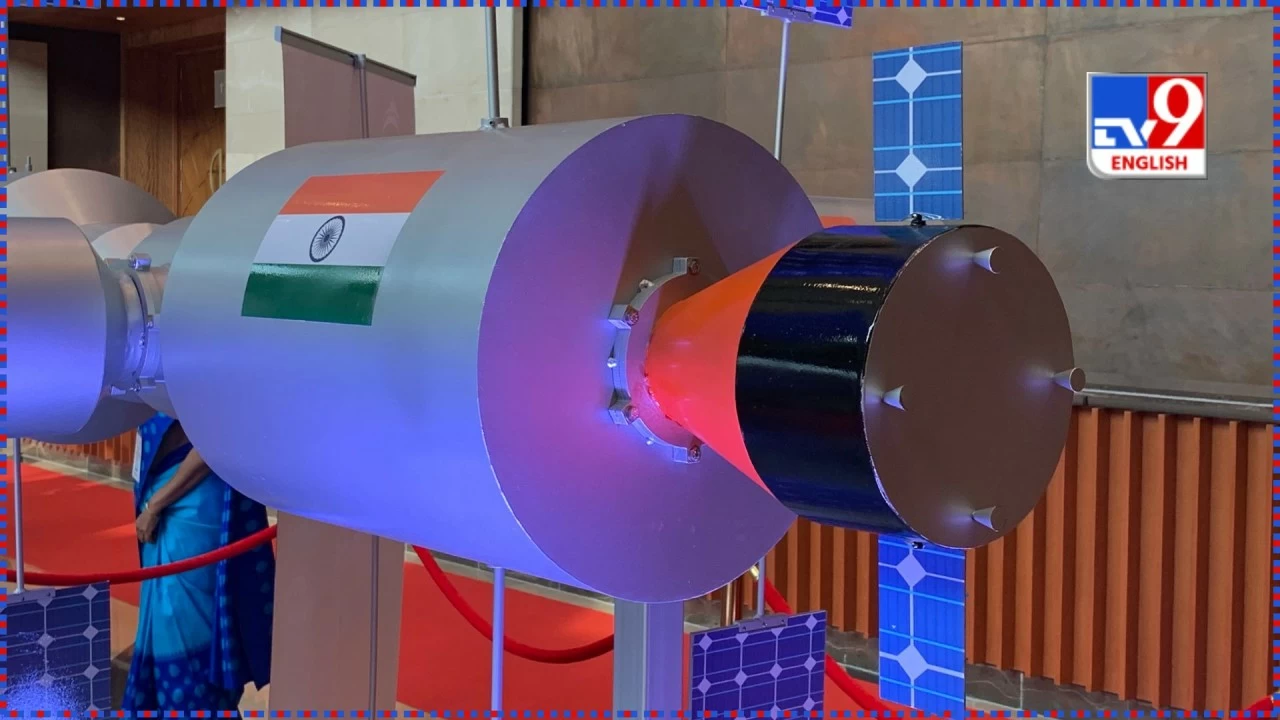


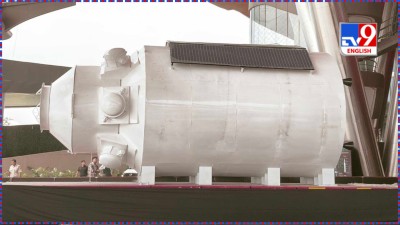
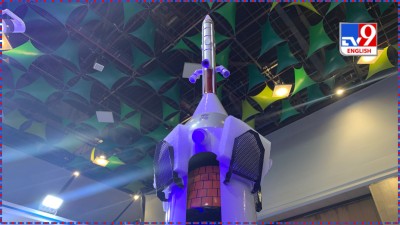
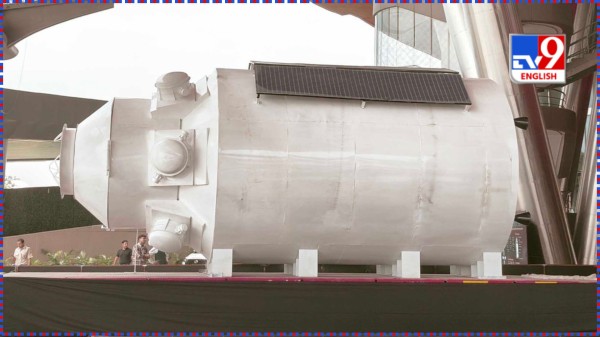
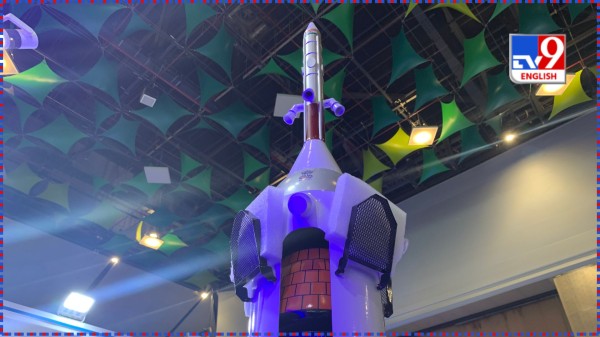
ISRO is planning a total of eight flights in its ambitious Gaganyaan programme to develop the space transportation architecture necessary for a sustained human presence in space. Three of these flights are developmental uncrewed flights for the Human Rated Launch Vehicle Mark 3 and the Gaganyaan Crew Module, two are crewed flights, and one is to deploy the first module of the Bharatiya Antariksh Station (BAS). Two flights in the programme will be for autonomous, uncrewed dockings, one to the International Space Station, and one to the Base module of BAS.
The International Space Station (ISS) uses the International Docking System Standard (IDSS) for its ports, that can be used by the SpaceX Dragon spaceships, as well as European, American and Japanese cargo shuttles. The same docking interface will also be used in the future Commercial Low Earth Orbit Destinations, that will replace the ISS after its retirement in the 2030s. ISRO is designing the docking ports on BAS according to international standards, allowing interoperability with the orbital hardware planned for the next decade by both other national space agencies and private New Space startups around the world.
On 8 May 2025, at the GLEX 2025 Summit at the Yashobhoomi Conference Centre in New Delhi, Director of the Human Spaceflight Centre at ISRO, DK Singh said, "ISRO believes that the space station is going to be a laboratory for advanced research in various domains. Our reason is to provide Indian as well as global researchers access to the lab at a reasonable price, and the cutting edge research which can happen, especially in the domains of life science and pharmaceuticals. It can be a lifesaver, so there can be very good outcomes which can serve humanity for a long time."