Sign In
By signing in or creating an account, you agree with Associated Broadcasting Company's Terms & Conditions and Privacy Policy.
By signing in or creating an account, you agree with Associated Broadcasting Company's Terms & Conditions and Privacy Policy.


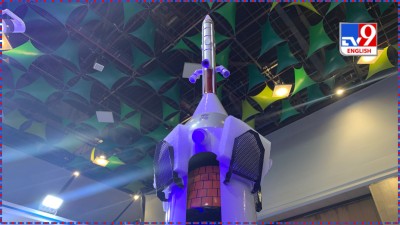
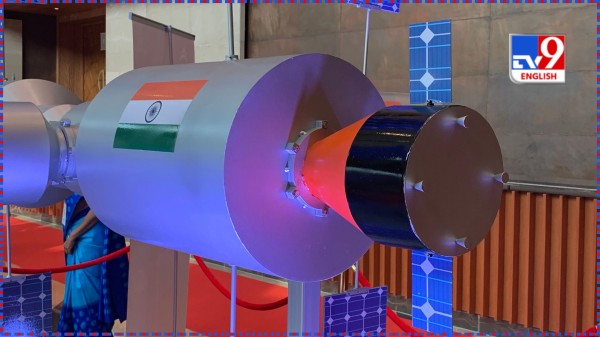
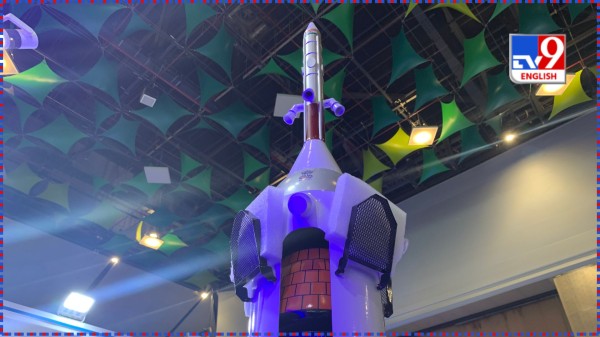
ISRO's ambitious Gaganyaan programme is an effort to develop and demonstrate the technologies necessary for sustained presence of humans in space. ISRO is upgrading its mightiest operational rocket with one fit for crewed spaceflight, called the Human Rated Launch Vehicle Mark 3 (HR-LVM3), carrying India's first spaceship, the Gaganyaan Crew Module. This space transportation architecture will be capable of ferrying humans to and from orbital complexes, including India's own Bharatiya Antariksh Station, that ISRO plans to assemble by 2035.
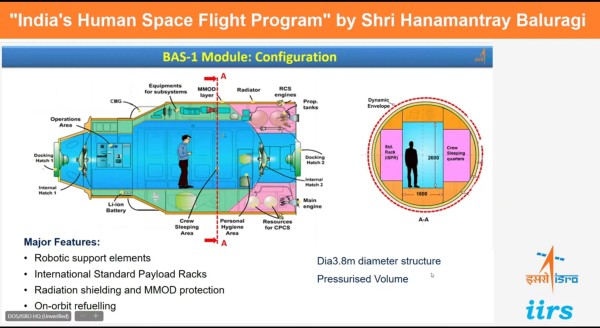
After the three uncrewed developmental flights, and the pair of crewed flights, ISRO plans an autonomous docking of the Gaganyaan crew module to the International Space Station, followed by the launch of the Base Module of the Bharatiya Antariksh Station, and then an uncrewed flight to dock a Gaganyaan crew module to the Base module, completing the Gaganyaan Programme as it is envisioned now. The deployment of the base module of the Bharatiya Antariksh Station was formally approved by the Union Cabinet in September last year, as an extension of the Gaganyaan programme. The configuration of the base module has also been finalised.
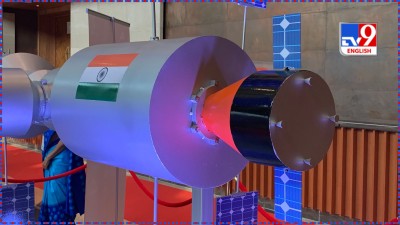
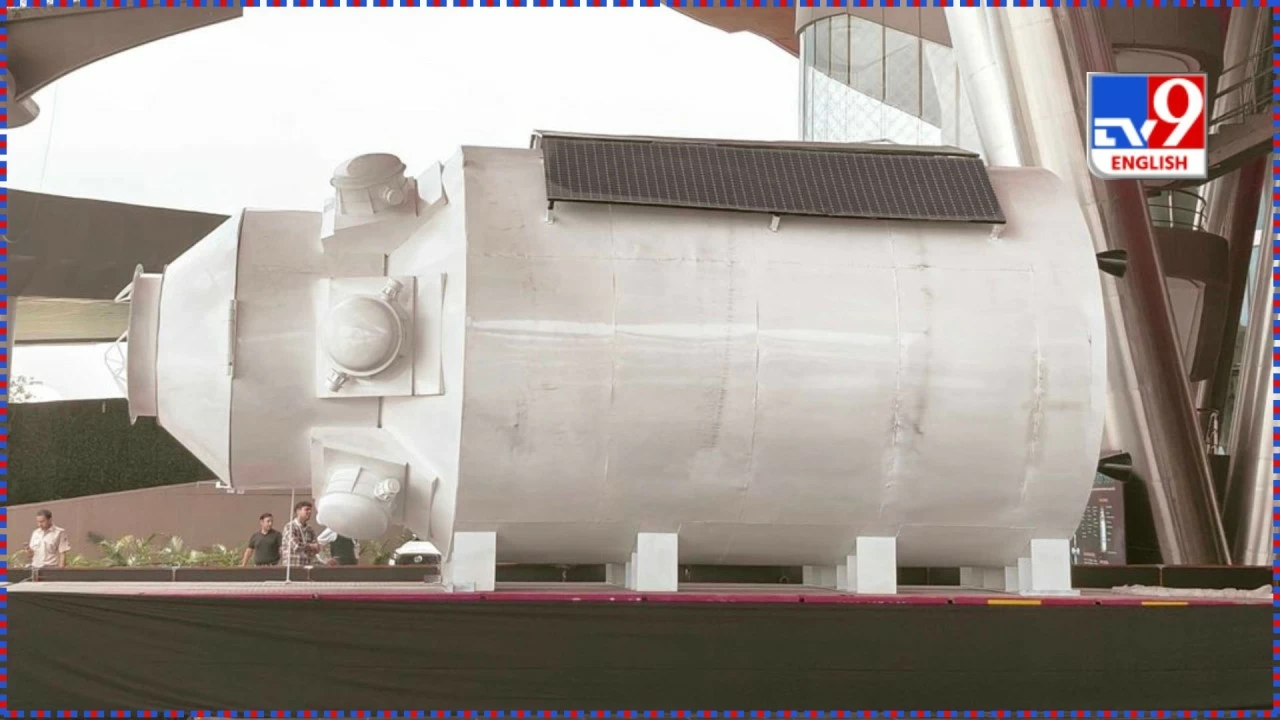
The base module has a diameter of 3.8 metres, and a length of eight metres, with equipment on one side and crew sleeping quarters on the other. There are docking hatches on both the front and the back. There are propulsion systems towards the back, and an operations area towards the front. ISRO plans to execute a series of operations with the base module, including control and orbit raising manoeuvres, crewed and uncrewed dockings. The Base module will essentially be a testbed that paves the way for future, long-duration missions to Earth orbit, where crews of three will occupy the orbital complex for around six months at a time, similar to operations on the International Space Station and the Chinese Tiangong Space Station.