Sign In
By signing in or creating an account, you agree with Associated Broadcasting Company's Terms & Conditions and Privacy Policy.
By signing in or creating an account, you agree with Associated Broadcasting Company's Terms & Conditions and Privacy Policy.
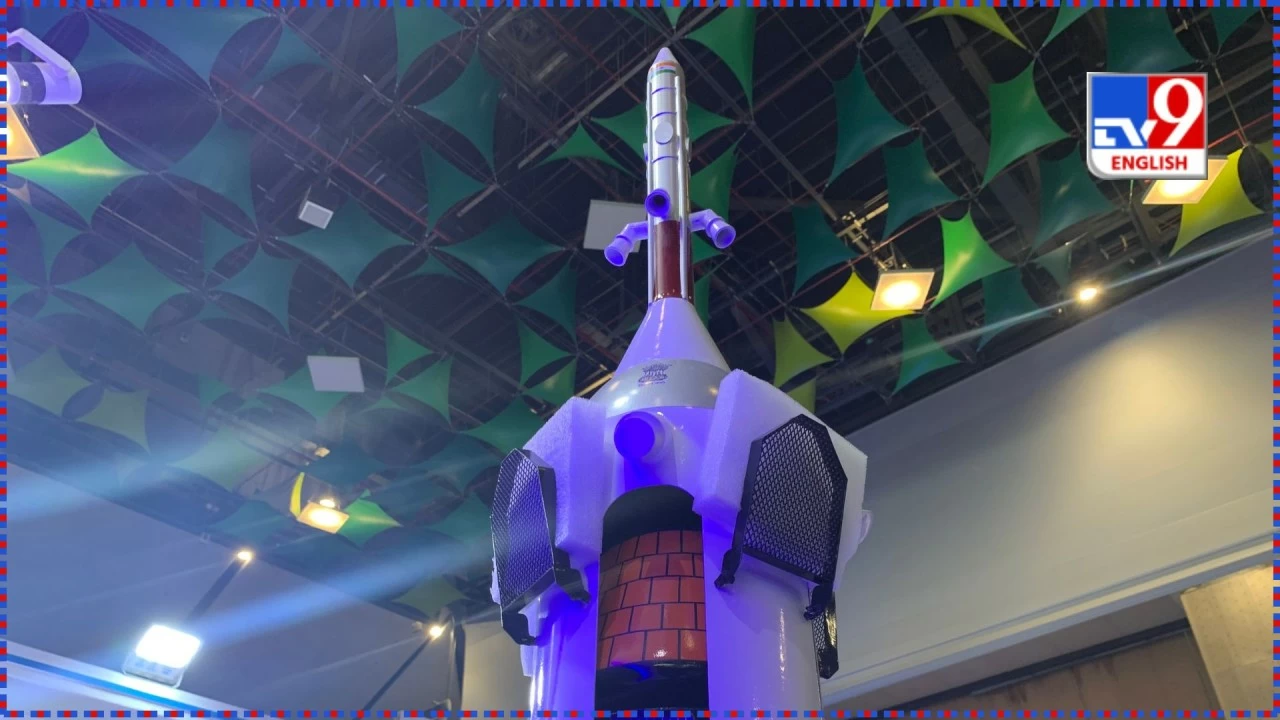


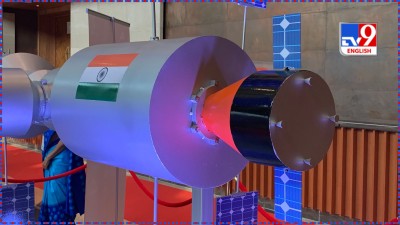
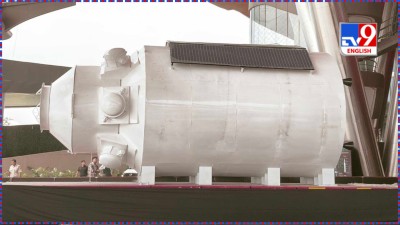
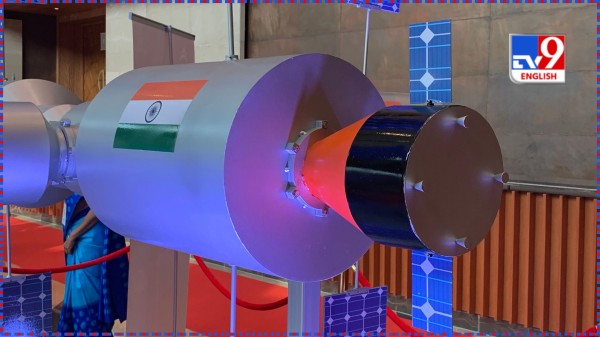
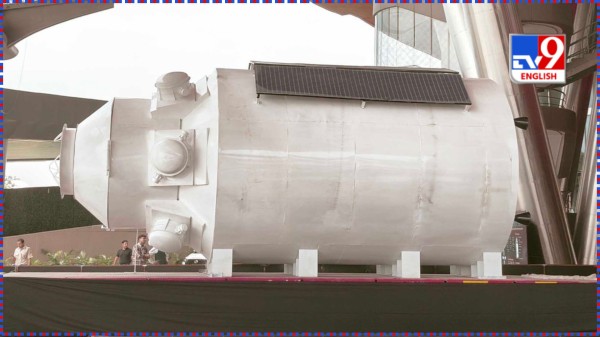
There are eight planned flights in ISRO's ambitious Gaganyaan Programme to domestically develop the space transportation system to ferry humans to and from Earth orbit. Three of these are developmental flights designated as G1 to G3, to demonstrate the safety of the rocket and the spaceship. ISRO is increasing the capacity of its mightiest operational rocket to develop the Human Rated Launch Vehicle Mark 3 (HR-LVM3), and is building its first spaceship, the Gaganyaan crew module, which will be supported by a service module for orbital manoeuvres, attitude control and emergency aborts.
Then there are the pair of Human-Rated missions, H1 and H2. ISRO is planning to execute one Gaganyaan flight roughly every six months. The First Gaganyaan uncrewed flight is scheduled to take place in January itself. According to the latest timelines revealed by ISRO, the first crewed flight is now scheduled to take place in the 2027-2028 timeframe. The first crewed flight, H1 will see one Gaganyatri, while the second crewed flight will carry two. The Gaganyaan G4 and G5 missions will be autonomous dockings with the ISS and the Base module of the Bharatiya Antariksh Station, while a dedicated mission between these flights will deploy this first module, BAS-01.
The Gaganyatris will liftoff from the Second Launch Pad at Sriharikota, which has been upgraded for human spaceflight, with an elevator for crew access and a zipline for emergency evacuation from the launchpad. The crewed flights will see the Gaganyatris orbiting the Earth at an altitude of about 400 km, for up to three days, during which time they will conduct microgravity experiments. The Crew Module will jettison the Service Module before reentry, which is expected to burn up harmlessly in the atmosphere. The Crew Module will then use a complex series of 10 parachutes to sched velocity for an ocean splashdown. The primary splashdown zone is the Arabian Sea, because of the waters being calmer than the Bay of Bengal. The Indian Navy will then lead the recovery operations.