Sign In
By signing in or creating an account, you agree with Associated Broadcasting Company's Terms & Conditions and Privacy Policy.
By signing in or creating an account, you agree with Associated Broadcasting Company's Terms & Conditions and Privacy Policy.
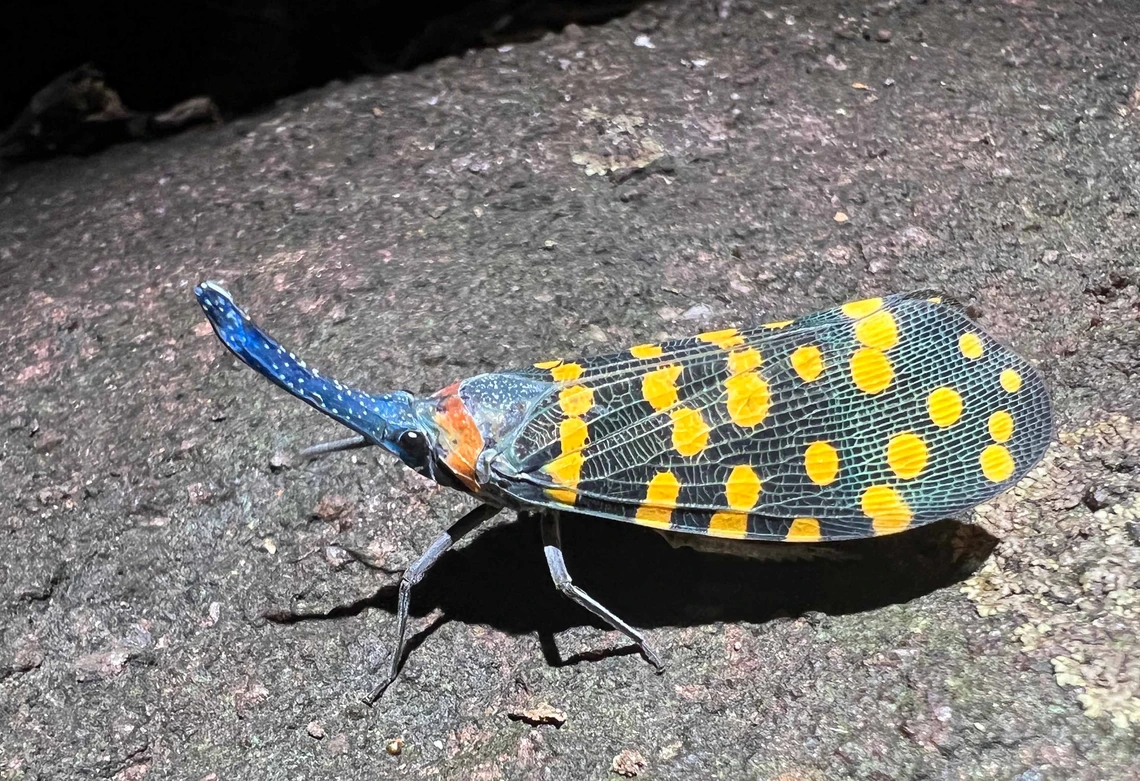


New research indicates that scientists are discovering new species faster than ever before, with over 16,000 new species being discovered each year. The discovery of new species is expected to increase in the future, with the research indicating that biodiversity among certain groups, such as plants, fungi, arachnids, fishes and amphibians is far richer than scientists previously thought. Only 15 per cent of the estimated eukaryotic species have been described since the Swedish naturalist Carl Linnaeus set out to identify and name every living organism on Earth 300 years ago.
The team examined the taxonomic histories of about two million species spanning all groups of living organisms. Between 2015 and 2020, the researchers documented more than 16,000 new species being described each year, including more than 10,000 animals, dominated by arthropods and insects, 2,500 plants and 2,000 fungi. The rate at which new species are being discovered far outpaces the rate at which species are going extinct, which is estimated to be around 10 per cent every year.
The researchers also examined the rates at which new species are appearing over time, to project how many new species will be discovered and described in the future. They estimate that there may be as many as 115,000 fish and 41,999 amphibian species, with only 42,000 fish and 9,000 amphibians described at the moment. The researchers also project that the final number of plant species may be over half a million. A paper describing the research has been published in Science Advances.