Sign In
By signing in or creating an account, you agree with Associated Broadcasting Company's Terms & Conditions and Privacy Policy.
By signing in or creating an account, you agree with Associated Broadcasting Company's Terms & Conditions and Privacy Policy.
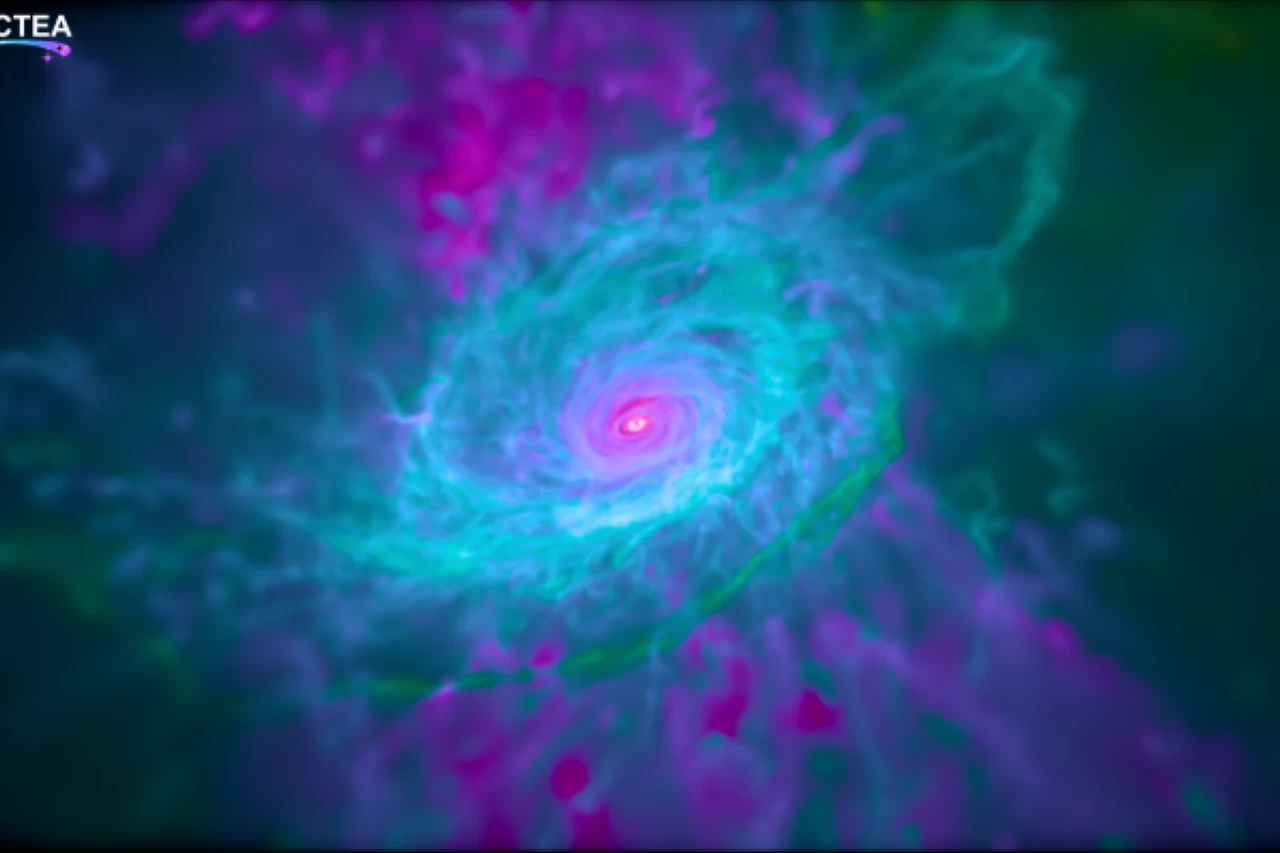


Researchers have investigated how galaxies like our Milky Way form and evolve, with a focus on two distinct groups of stars with different chemical compositions, a feature of the galaxy known as chemical bimodality. The stars close to the Sun can be classified into two types based on their iron and magnesium content. These two groups form separate sequences in a chemical diagram, even though they overlap in metallicity, which is how rich they are in heavy elements such as iron. This differences have long-puzzled astronomers.
For the new study, the researchers used sophisticated computer simulations to recreate the formation of galaxies like the Milky Way in a virtual universe. By analysing 30 such simulated galaxies, the researchers explored the formation of the chemical sequences. These simulations help scientists better understand how other large, complex galaxies evolve. Bimodality has not been discovered yet in our sister galaxy, Andromeda. The research also sheds light on the conditions in the early universe, the role of cosmic gas flows between galaxies and galaxy mergers in the chemical evolution of galaxies.
The research reveals that a number of different mechanisms can result in bimodality, including bursts of star formation followed by periods of little activity, and changes in the inflow of gas from outside the galaxy. Previously scientists had believed that galaxy mergers, such as the Gaia-Sausage-Enceladus collision is not a necessary condition for the chemical patterns to emerge. The simulations indicated that metal-poor gas from the circumgalactic medium plays a crucial role in forming the second sequences of stars. A paper describing the research has been published in Monthly Notices of the Royal Astronomical Society.