Sign In
By signing in or creating an account, you agree with Associated Broadcasting Company's Terms & Conditions and Privacy Policy.
By signing in or creating an account, you agree with Associated Broadcasting Company's Terms & Conditions and Privacy Policy.
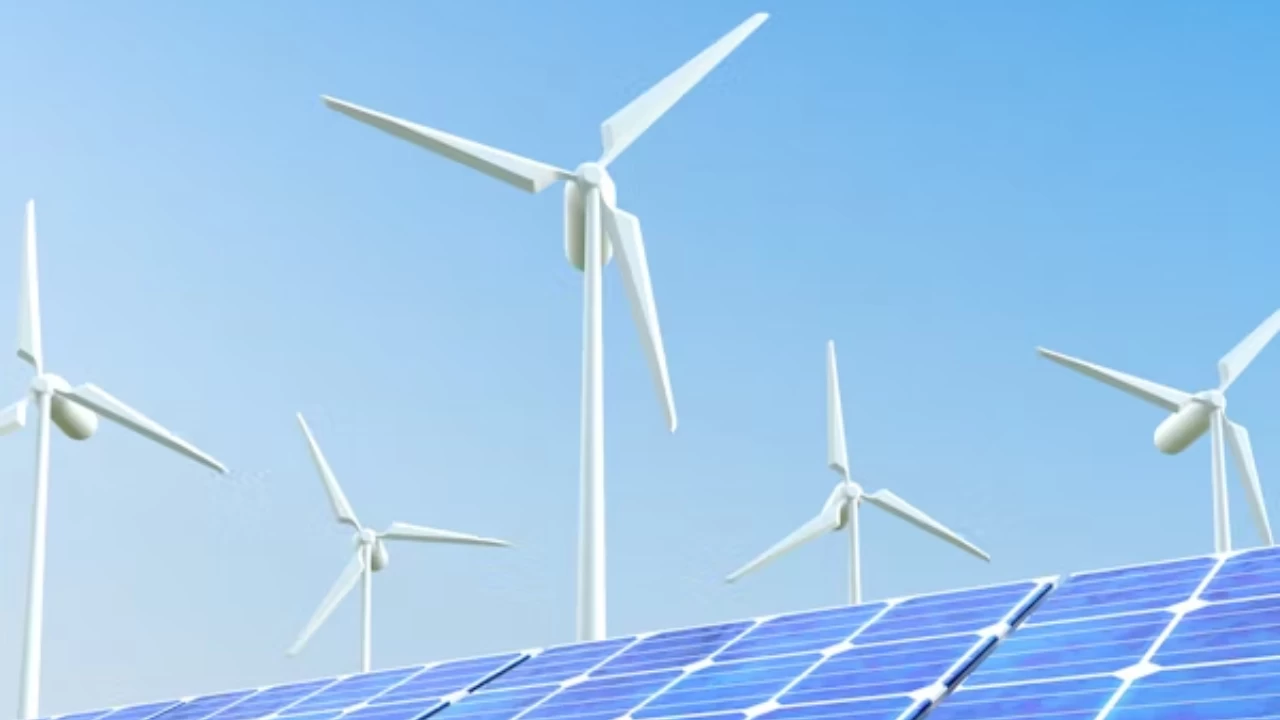


New Delhi: In India, the number of battery energy storage system (BESS) installations is going to increase by an astronomical margin in 2026, when the country will have approximately 5 GWh of battery energy storage systems, compared to 507 MWh in 2025. These developers, like Adani and Juniper Green Energy, along with the implementation of the projects that have been awarded in the last two years, will be the factors of the surge.
A new study published by the India Energy Storage Alliance (IESA) on January 6, 2026, will come as an opportunity to the industry as it transitions not only towards aggressive tendering but also on-ground implementation. The growth is an indication of a robust project pipeline, favourable government policies, and an ever-growing confidence among the developers and investors in the Indian market of energy storage.
According to IESA, the year 2025 was characterised by an unprecedented number of tenders, with a total number of 69 tenders amounting to 102 GWh – nearly the total tenders that were issued between the years 2018 and 2024. Conversely, 2026 will be the year when these projects will start commissioning, as is characteristic of other projects (18 to 24 months).
The report indicates that almost 60 GWh of projects are going to enter the implementation stage in 2026. Execution of cumulative storage capacity increased by 84 per cent in 2025 to 224 GWh, which prepares large-scale operational rollouts this year.
The reduction in tariffs has been one of the most noticeable. BESS two-hour tariffs were also seen to have fallen separately (in isolation) from Rs 2.21 lakh per MW per month in the early 2025 quarter to Rs 1.48 lakh per MW per month at the year-end of the APTRANSCO tender.
Solar-plus-four-hour BESS tariffs were also reduced to Rs 2.70–2.76 per unit of electricity, with over 50 new bidders joining the market. Although this is symptomatic of increasing competition and maturity, it has also led to an issue of concern over long-term project finances, particularly of the low tariff bids.
Adani will install a 1,126 MW / 3,530 MWh BESS project in Gujarat in March 2026, and it will be one of the largest single-location installations in the world. Another move being made by Rajasthan is to introduce the largest tender of solar-plus-BESS in India at the Pugal Solar Park.
The commercial and industrial sector is also starting to take off after Juniper Green Energy commissioned a 60 MWh merchant BESS project in December, which is regarded as a major milestone towards the involvement of the private market.
The government support remains crucial. The 2nd tranche of Viability Gap Funding of 5,400 crore is to fund 30 GWh of standalone BESS projects with a domestic value addition requirement of 20 per cent. Moreover, the interstate transmission system charge waivers on pumped storage and solar-plus-BESS projects have been renewed to 2028.
According to industry leaders, the year 2026 will be the year of testing whether projects will perform as they were promised. This shift in tendering to execution is a watershed moment, said IESA President Debmalya Sen, who noted that financing will be the second major challenge following the shift to the operational stage.