New Delhi: The US administration on Tuesday
announced that it was expanding travel restrictions to an additional 20 countries and the Palestinian Authority, adding 7 more countries to the pre-existing list. The new inductees add to the nations already affected by sweeping limits announced earlier this year on US travel and emigration norms.
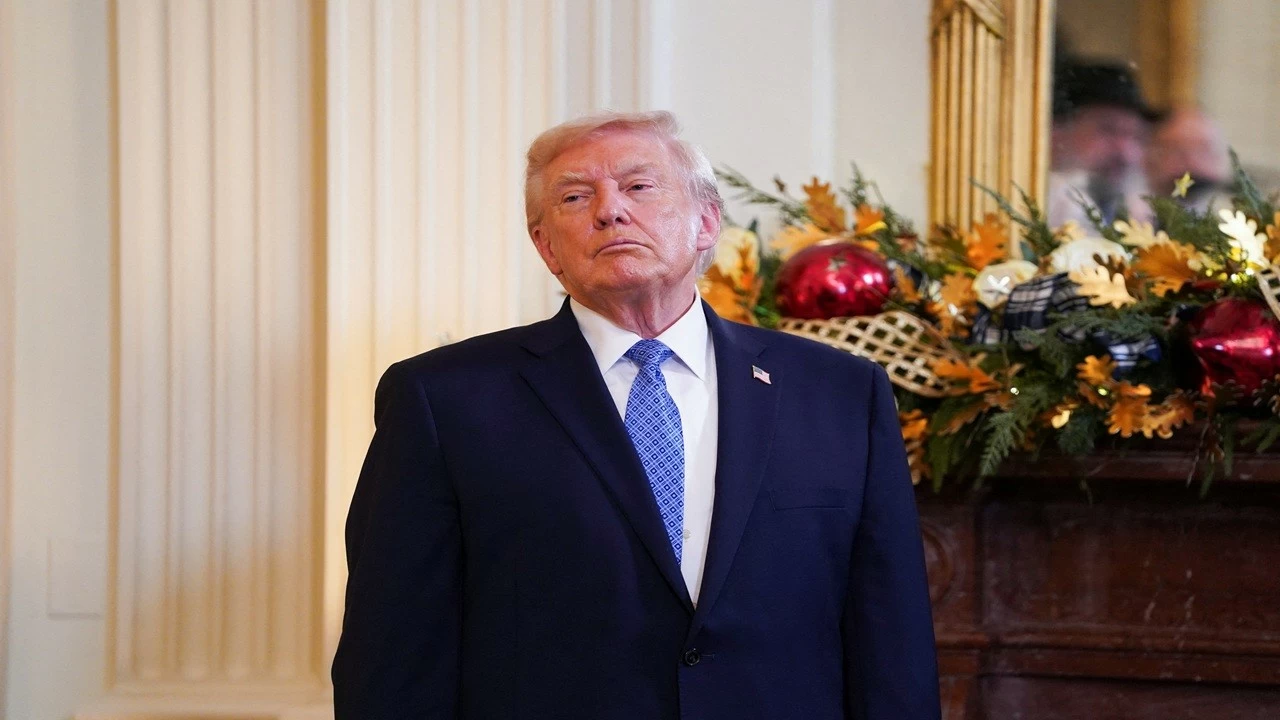
The latest move by the Donald Trump administration can be seen as part of the ongoing effort to tighten US travel and immigration laws. While the government has argued that these moves are aimed at tightening national security, detractors claim that it unfairly prevents travel for people from a number of countries trying to come to the US for legitimate purposes.
The current directive
The
Trump administration has now added five more countries, and for those traveling on documents issued by the Palestinian Authority, to the list of countries facing a full ban on travel to the US. It also imposed new limits on 15 other countries.
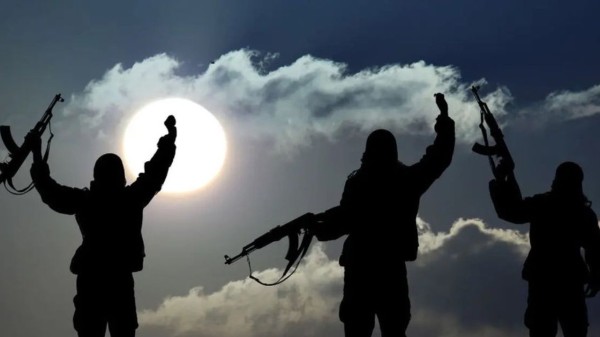
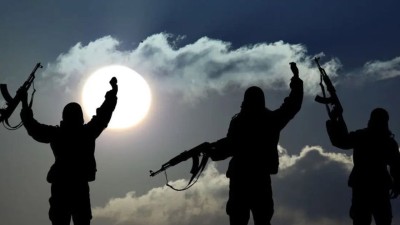
Seven new countries have been brought under the new restrictions which include Syria, Burkina Faso, Mali, Niger, South Sudan, Laos and Sierra Leone. According to the White House, Syria was added following a deadly ISIS ambush in which two US soldiers and an American civilian interpreter were killed.
Further, some partial entry restrictions have also been introduced for citizens of several countries identified as “high-risk”. These include Burundi, Cuba, Togo, Venezuela, Angola, Antigua and Barbuda, Benin, Côte d’Ivoire, Dominica, Gabon, The Gambia, Malawi, Mauritania, Nigeria, Senegal, Tanzania, Tonga, Zambia and Zimbabwe. Meanwhile, Turkmenistan has been taken off the list following what the administration described as “productive engagements” with the United States.
Travel bans under Trump continue
The latest additions add to the already significant list of countries banned from coming to the United States and some who have been put under various
levels of restrictions.
During the first ban, Afghanistan, Myanmar, Chad, the Republic of Congo, Equatorial Guinea, Eritrea, Haiti, Iran, Libya, Somalia, Sudan and Yemen saw complete bans while Burundi, Cuba, Laos, Sierra Leone, Togo, Turkmenistan and Venezuela were put under heightened restrictions.
Justifying the ban, the Trump administration said that the countries included in the ban had “widespread corruption, fraudulent or unreliable civil documents and criminal records” that made it difficult to vet their citizens’ US travels. It further added that several of these countries had high rates of people overstaying their visas.
Uncertainties abound; will it work?
The news of the expanding travel ban, like when the first bans were announced, are likely to face severe callback from detractors, who have been arguing against the enforcement of such discriminatory tactics in the name of national security. The Trump administration on the other hand, has been clear on
reaffirming its intent that these moves are aimed at strengthening the country's national security from rogue and uncertain elements.
“This expanded ban is not about national security but instead is another shameful attempt to demonize people simply for where they are from,” said Laurie Ball Cooper, vice president of U.S. Legal Programs at the International Refugee Assistance Project. The call is not isolated, as many organisations and individuals around the world have opposed the Trump bans. They, though, have been consistent with Trump’s hardline stance on immigration and US visa and border norms. This has been a consistent line for the President since his first term, and this consistency has become an important point of reference for Trump’s policy as the President.
The bans are part of the security-first worldview under Trump whereby national sovereignty is seen as pivotal and is being protected from outside interests. Such moves play well to Trump’s voter base, which see this as an extension of his campaign messages and promises. On the other hand, such moves are also perceived as ideological rather than diplomatic.
The bans seen in this way risk straining bilateral relations of the US with countries whose citizens are targeted, with either bans or restrictions. A sense of suspicion is triggered by such blanket bans, which in the long run is antithetical to trust building that the US might want to initiate. In this way, the bans are a dangerous double-edged sword, which in the short run may placate Trump’s voter base and bolster national security, but might result in losses on diplomatic front and loss of trust in the US from countries and institutions around the world.