Sign In
By signing in or creating an account, you agree with Associated Broadcasting Company's Terms & Conditions and Privacy Policy.
By signing in or creating an account, you agree with Associated Broadcasting Company's Terms & Conditions and Privacy Policy.
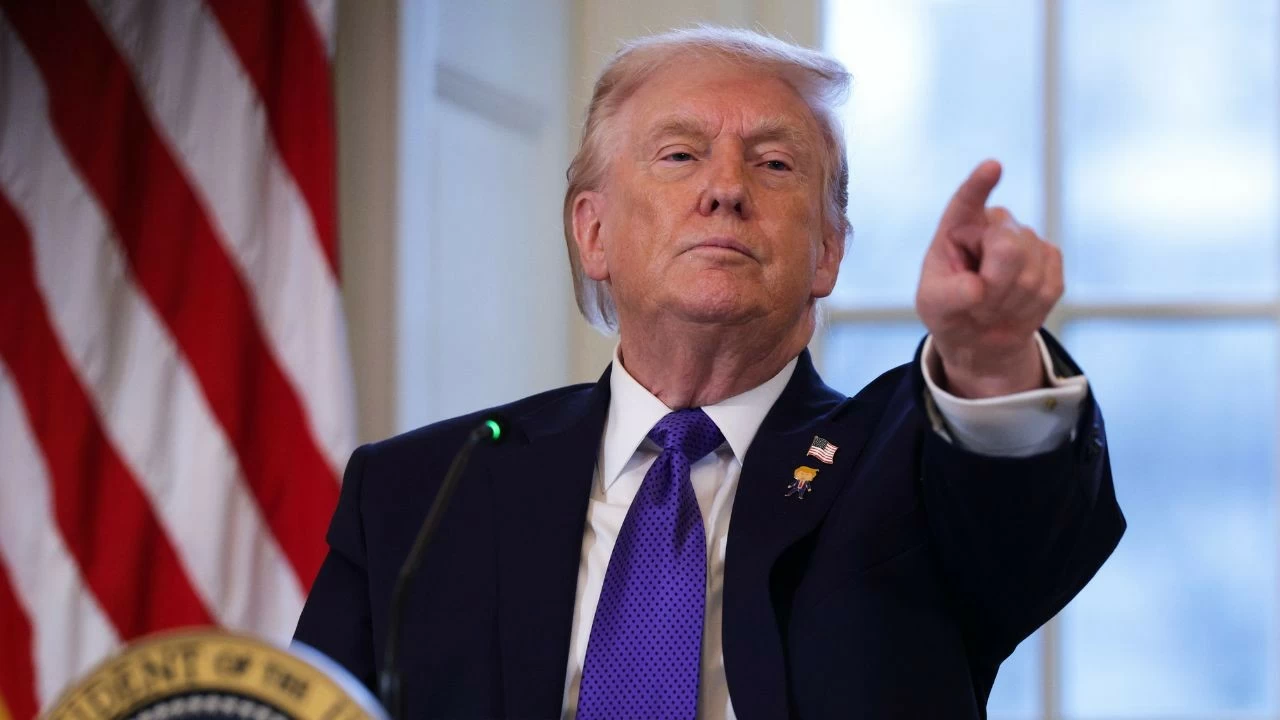


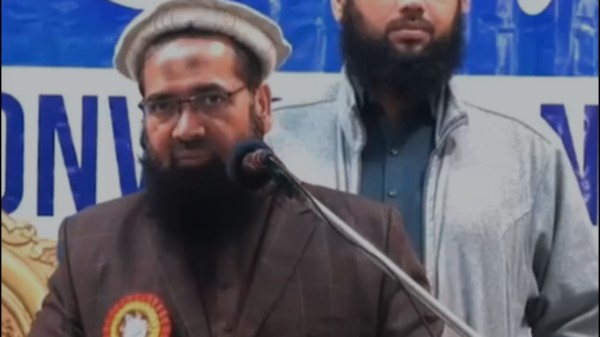
New Delhi: US President Donald Trump has conveyed to Iran that he does not intend to launch a military attack and has urged Tehran to show restraint, according to Iran’s envoy to Pakistan, Reza Amiri Moghadam. The message was received around 1 am local time on Wednesday, Moghadam said, adding that Trump had stressed he did not want a war and had asked Iran not to target US interests in the region as tensions continue to rise.
Moghadam also claimed that the Iranian leadership recognises the public’s right to protest and has held talks with demonstrators. At the same time, he alleged that armed groups were involved in violence during the unrest, including killings and attacks on mosques. The remarks were first reported by Pakistani newspaper Dawn.
The comments come as Iran said on Thursday that it would defend itself against any foreign threat, following Trump’s remarks that he would “watch it and see” on the possibility of military action in response to the crackdown on protests.
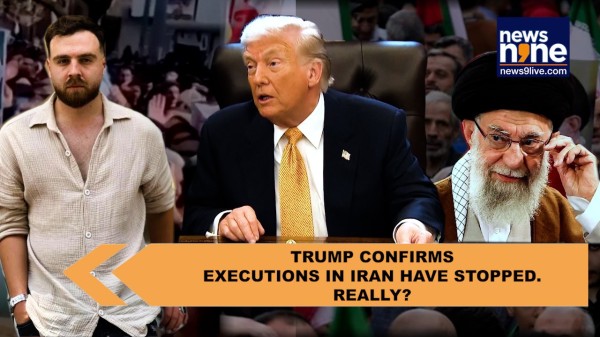
Until Wednesday, Washington had been warning of potential military consequences if Iran carried out death sentences against those arrested during the demonstrations. Speaking at the White House, Trump said he had received assurances from what he described as “very important sources on the other side” that executions would not proceed.
“They’ve said the killing has stopped and the executions won’t take place. There were supposed to be a lot of executions today, and that the executions won’t take place, and we’re going to find out,” Trump said.
When asked by an AFP reporter in the Oval Office whether US military action was now off the table, Trump responded: “We’re going to watch it and see what the process is.”
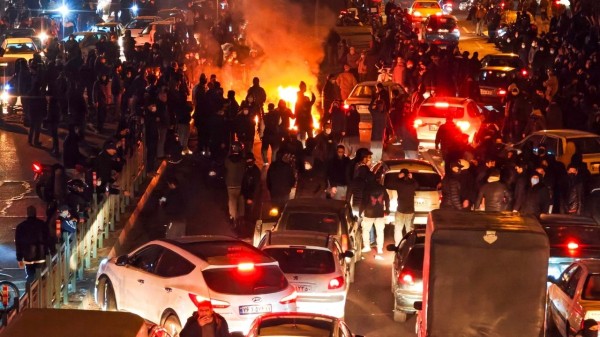
The protests in Iran were initially sparked by economic grievances but rapidly expanded into a nationwide movement. Observers see the unrest as the most serious challenge to the Islamic republic since its establishment in 1979.
Human rights organisations have accused Iranian authorities of using heavy force to suppress the demonstrations. According to rights groups, at least 3,428 people have been killed in the crackdown so far. They also allege that an internet blackout has been imposed to obscure the true scale of the violence and limit the flow of information from affected areas.
As diplomatic messaging continues behind the scenes, the situation remains volatile, with uncertainty over how Iran’s leadership will respond to both internal pressure from protesters and external scrutiny from the United States.