Sign In
By signing in or creating an account, you agree with Associated Broadcasting Company's Terms & Conditions and Privacy Policy.
By signing in or creating an account, you agree with Associated Broadcasting Company's Terms & Conditions and Privacy Policy.
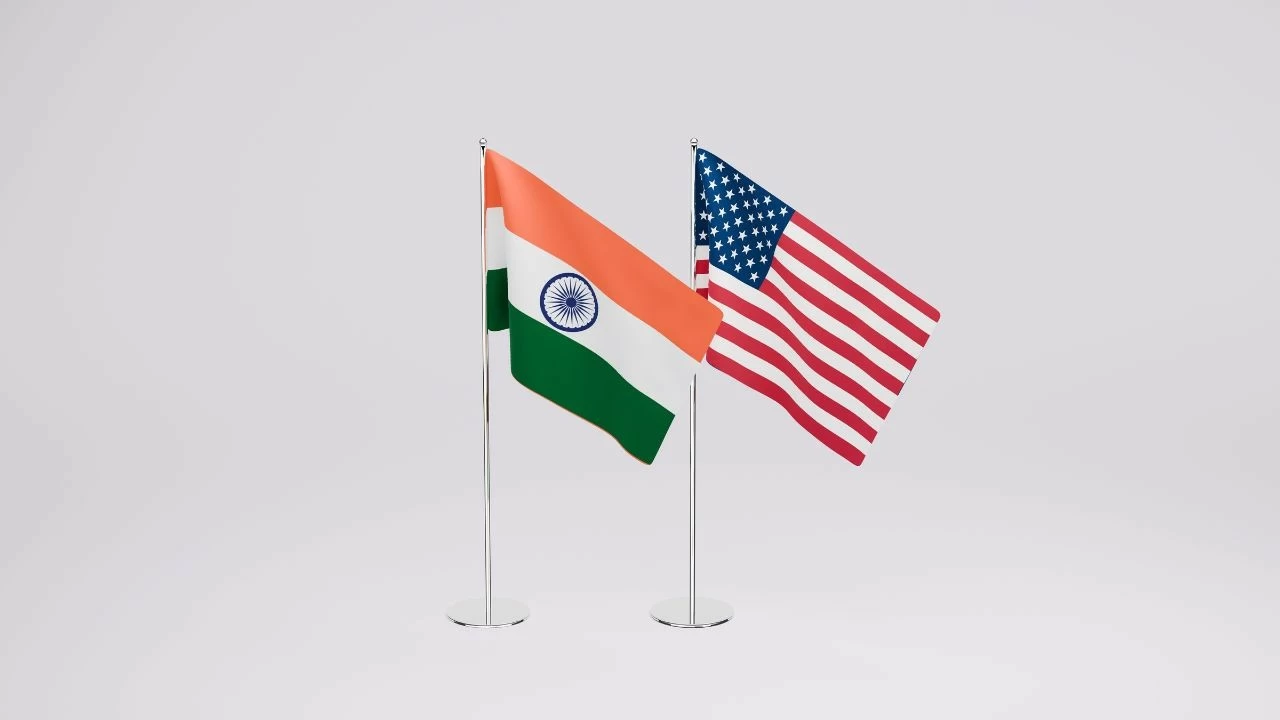


New Delhi: India and the United States will begin a new round of discussions in the capital on December 10 to push forward the initial phase of their proposed bilateral trade agreement, according to officials aware of the preparations. While the meeting is not categorised as a formal negotiating round, it is expected to focus on essential components needed to steer the pact closer to completion.
The US team will be led by Deputy United States Trade Representative Rick Switzer, marking Washington’s second visit since it imposed a 25 per cent tariff, along with an additional 25 per cent punitive duty, on several Indian exports linked to India’s purchase of Russian crude.



This round of talks follows a series of high-level engagements between the two countries. US trade officials were last in India on September 16, while Commerce and Industry Minister Piyush Goyal made two trips to Washington this year, in May and again on September 22, to push negotiations forward.
The broader negotiation framework continues to be steered by Assistant USTR for South and Central Asia Brendan Lynch on the American side and Joint Secretary Darpan Jain from India’s Commerce Department.
The upcoming meetings carry added weight after Commerce Secretary Rajesh Agrawal recently said India remains hopeful of securing a framework trade arrangement with the US before the close of the year. This framework is expected to lower tariff-related hurdles currently impacting Indian exporters.
Agrawal emphasised that a full Bilateral Trade Agreement (BTA) will take longer to finalise. However, he noted that both sides are pursuing two simultaneous tracks — one to address immediate tariff concerns and another to craft a wider, long-term agreement.
So far, six rounds of negotiations have been completed. Both governments have previously instructed their teams to wrap up the first tranche of the pact by fall 2025. The larger objective is to expand bilateral trade to USD 500 billion by 2030, up from the present USD 191 billion.