Sign In
By signing in or creating an account, you agree with Associated Broadcasting Company's Terms & Conditions and Privacy Policy.
By signing in or creating an account, you agree with Associated Broadcasting Company's Terms & Conditions and Privacy Policy.
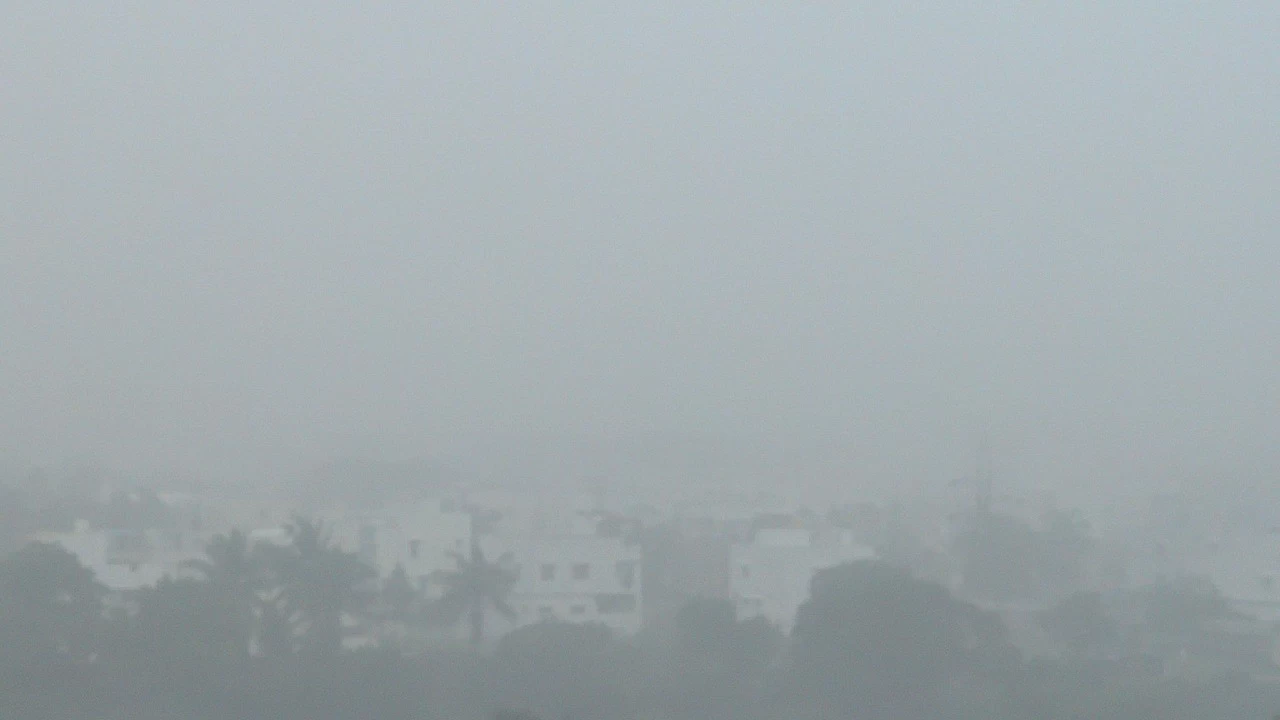


Chennai: Chennai woke up to a thick blanket of hazardous smog on Bhogi morning as the traditional burning of old items, including plastics, sent air pollution levels soaring to alarming heights. Private monitoring agencies reported an Air Quality Index (AQI) as high as 952 in some areas—a level environmentalists warn is equivalent to smoking 44 cigarettes in a day.
The severe pollution disrupted daily life, affecting road visibility, delaying train services, and even posing risks to air traffic around Chennai airport due to reduced visibility.


Health Emergency Levels
According to the Central Pollution Control Board's scale, an AQI above 500 is categorized as "Severe+," making the reported 952 level extremely dangerous. Across the city, real-time readings from the Tamil Nadu Pollution Control Board’s 15 monitoring stations showed consistently poor air. Areas like Manali (AQI 254), Arumbakkam (210), and Perungudi (201) recorded "Very Poor" to "Poor" levels, while Kodungaiyur, Royapuram, and Velachery also saw significant deterioration.
Transport Hit by SmogThe smog, mixed with early morning fog, severely impacted transportation:
Public Health Warning
Medical professionals and environmental activists issued urgent advisories, especially for children, the elderly, pregnant women, and those with respiratory or heart conditions. The public was urged to stay indoors, avoid outdoor exercise, and wear N95 masks if venturing out. The blanket of smoke negated years of awareness campaigns promoting a "smokeless Bhogi," drawing sharp criticism from citizen groups.
A Repeat of Diwali-Like Pollution
While such severe smog is typically associated with Diwali fireworks, Bhogi celebrations this year mirrored the crisis, underscoring the persistent challenge of balancing tradition with environmental and public health.